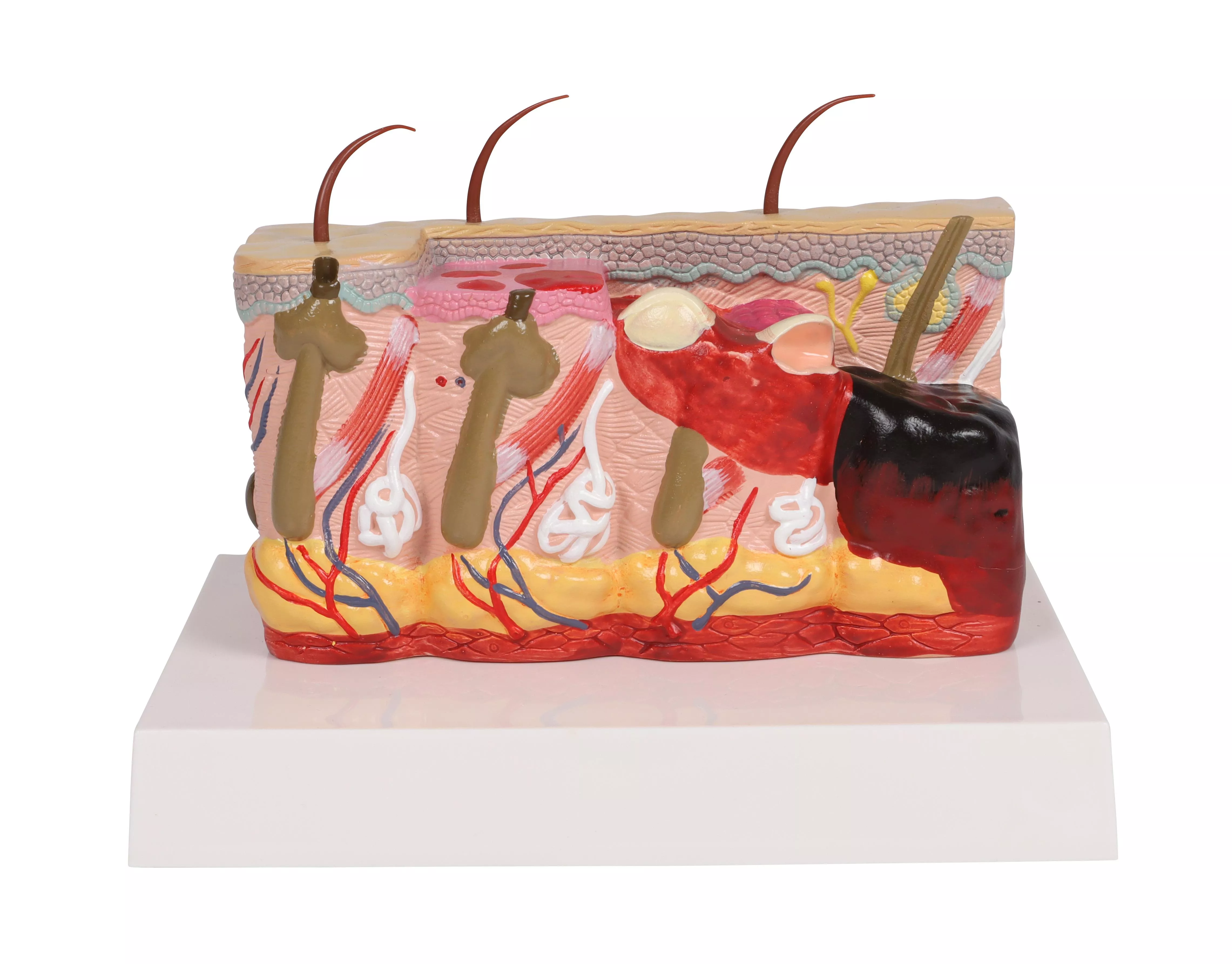
This model of a human skin in about 50 times life size shows 3 dimensional the different skin layers and anatomical structures. In addition to nerves and blood vessels the model shows sweat glands, sebaceous glands, hair follicles, erector muscles, Pacinian corpuscles and much more.Size: 20 x 10 x 20 cm, weight: 0.8 kgAugmented- Anatomy- AppThe new Augmented Anatomy App in combination with this high quality anatomical model makes learning now even easier and more efficient!This app automatically recognises our anatomical models and displays the nomenclature in augmented reality. As an Erler Zimmer customer, you can use it completely free of charge and for an unlimited period of time. - High-quality Augmented Reality learning app- Free of charge and without registration- Nomenclature always and everywhere available- Further online links in the learning lexiconOur augmented anatomy app works on all common smartphones or tablets. Click here to Download the App
This model, approx. 30 times enlarged, compares normal skin with first, second and third degree burnt skin, showing also the subsequent pathological changes. The first level of injury shows epidermis damage and erythema; the second one includes hypodermis damage and vescicles, the third one reveals a subcutaneous damage.
This model, approximately 30X life size, features, on the one side, detailed and realistic depictions of closed and open acne lesions, 2 primary lesions (papule and macule), 1 deeper lesion, (nodule) and an abrasion. On the other side the model shows cyst, fissure, pustule, ulcer, scale and blister. All the pathologies are showed separately in the model with a realistic representation of their morphology
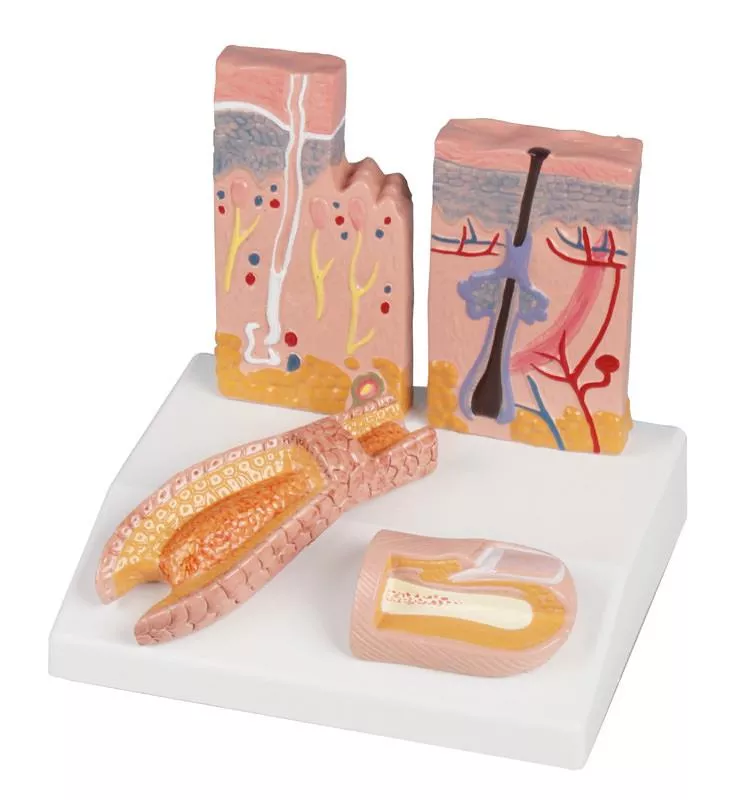
With this model it is easy to compare the structures of hairy and hairless skin: sensitive corpuscles, blood vessels, sweat gland, nerves, hair and hair root. Additionally a nail cross section model shows nail bed, nail plate and nail root. An enlarged hair root completes the model.Size: 10 x 12 x 11 cm, weight: 0.2 kgAugmented- Anatomy- AppThe new Augmented Anatomy App in combination with this high quality anatomical model makes learning now even easier and more efficient!This app automatically recognises our anatomical models and displays the nomenclature in augmented reality. As an Erler Zimmer customer, you can use it completely free of charge and for an unlimited period of time. - High-quality Augmented Reality learning app- Free of charge and without registration- Nomenclature always and everywhere available- Further online links in the learning lexiconOur augmented anatomy app works on all common smartphones or tablets. Click here to Download the App
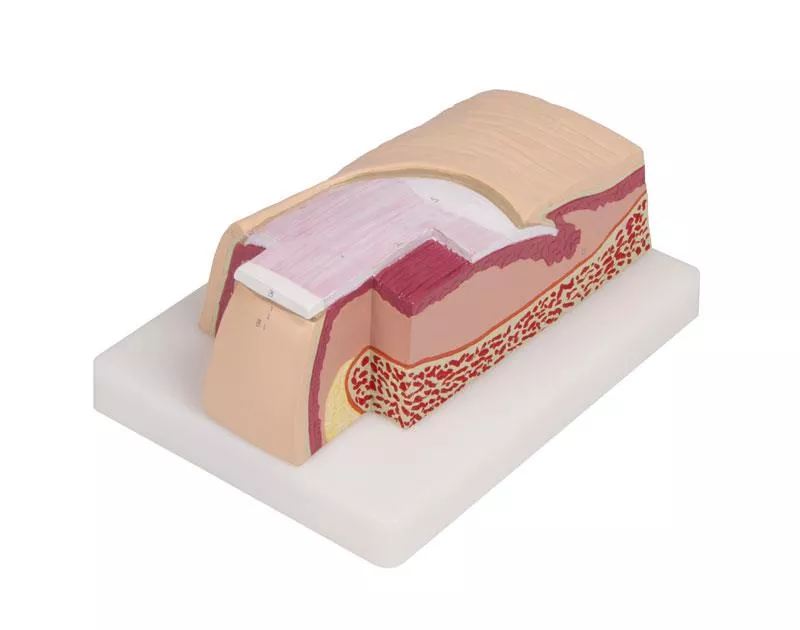
This approximately 5 times enlarged model of the terminal part of a typical digit with its associated bone structure shows three sectional views of the nail root and bed, germinative region and bone. Mounted on base.Size: 25.5 x 12.5 x 10 cm
Continued exposure to sunlight can cause damage to skin cells. If the damaged cells do not die or repair themselves, they degenerate and visible skin cancer develops. The SkinCancer Trainer has been developed to assist with educating health care providers about the various types of skin cancer and what they may look like. The enlarged trainer shows a normal mole, basal cell carcinoma (basalioma), squamous cell carcinoma (spinalioma), and malignant melanoma. Variations of how the different types of skin cancer mayappear are shown. The Skin Cancer Trainer includes trainer, sturdy base, two-sided informational key card, easel, and storage box.Size 21.6 x 28 x 1 cm
Anatomical models are indispensable teaching aids in medical training!
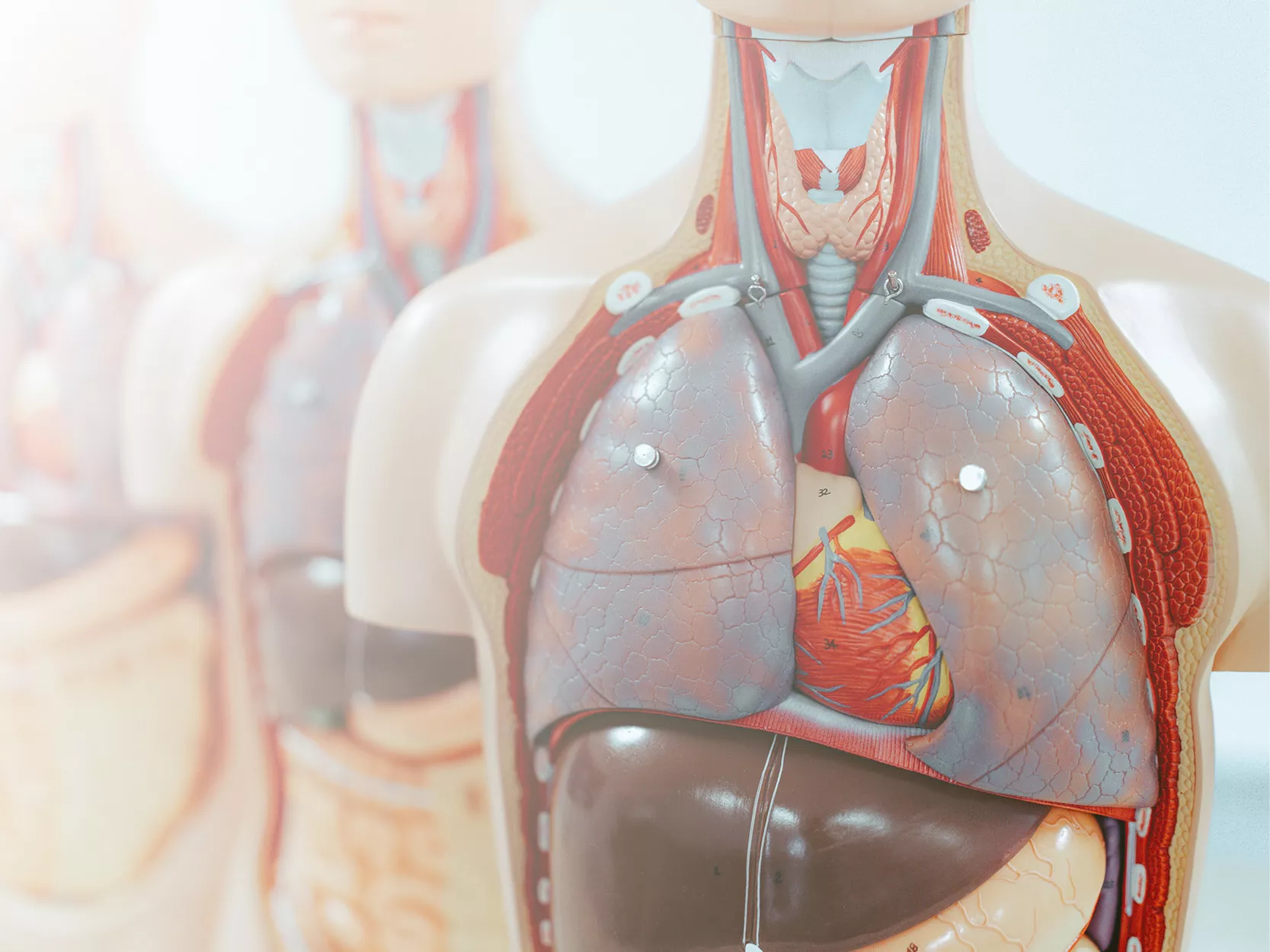
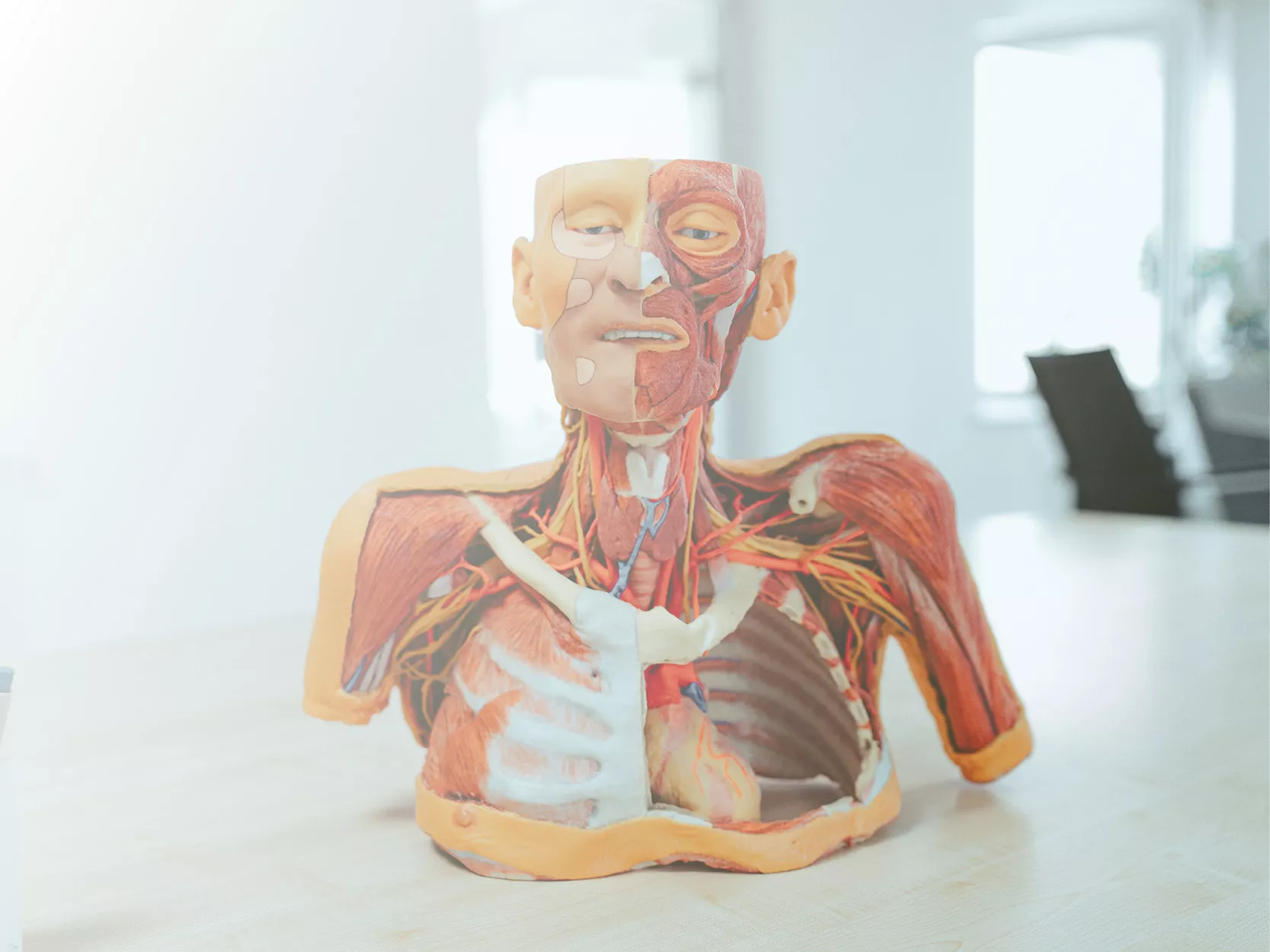
Anatomical models are indispensable teaching aids in medical education, providing a unique insight into the complex world of human anatomy. These precise replicas of the human body serve as tools for teachers, lecturers, students, trainees and patient education to better understand structures, functions and spatial relationships. Our wide range of anatomical models extends from skeletal models and models of organs and tissues to specialised models for various medical disciplines.
The possible applications of anatomical models are diverse and make a decisive contribution to excellent training.
Our anatomical models are characterised by their attention to detail and anatomical correctness. Each model is carefully designed to reproduce the anatomical features as realistically as possible. This enables learners to recognise not only the external structures, but also to understand the spatial relationships between organs and tissues. A comprehensive understanding of human anatomy forms the basis for successful medical diagnoses, treatments and surgical procedures. The range of our anatomical models includes skeletal models, models of organs and structures as well as specialised models for various medical fields such as cardiology, gynaecology, neurology and much more. These models are made from high-quality materials that are not only durable but also realistic. The ability to view organs and tissues in their natural shape and colour greatly improves identification and understanding.
Another advantage of anatomical models is their adaptability to different teaching methods. Teachers and lecturers can integrate the models into group activities, demonstrations or individual studies. This flexibility makes it possible to meet individual learning needs and promote interactive, engaging teaching.
In summary, anatomical models provide an effective and immersive way to explore the complex world of human anatomy. With their optimal level of detail, adaptability and practicality, they play a key role in preparing future doctors and healthcare professionals for their professional practice. Our models are also indispensable for patient education.