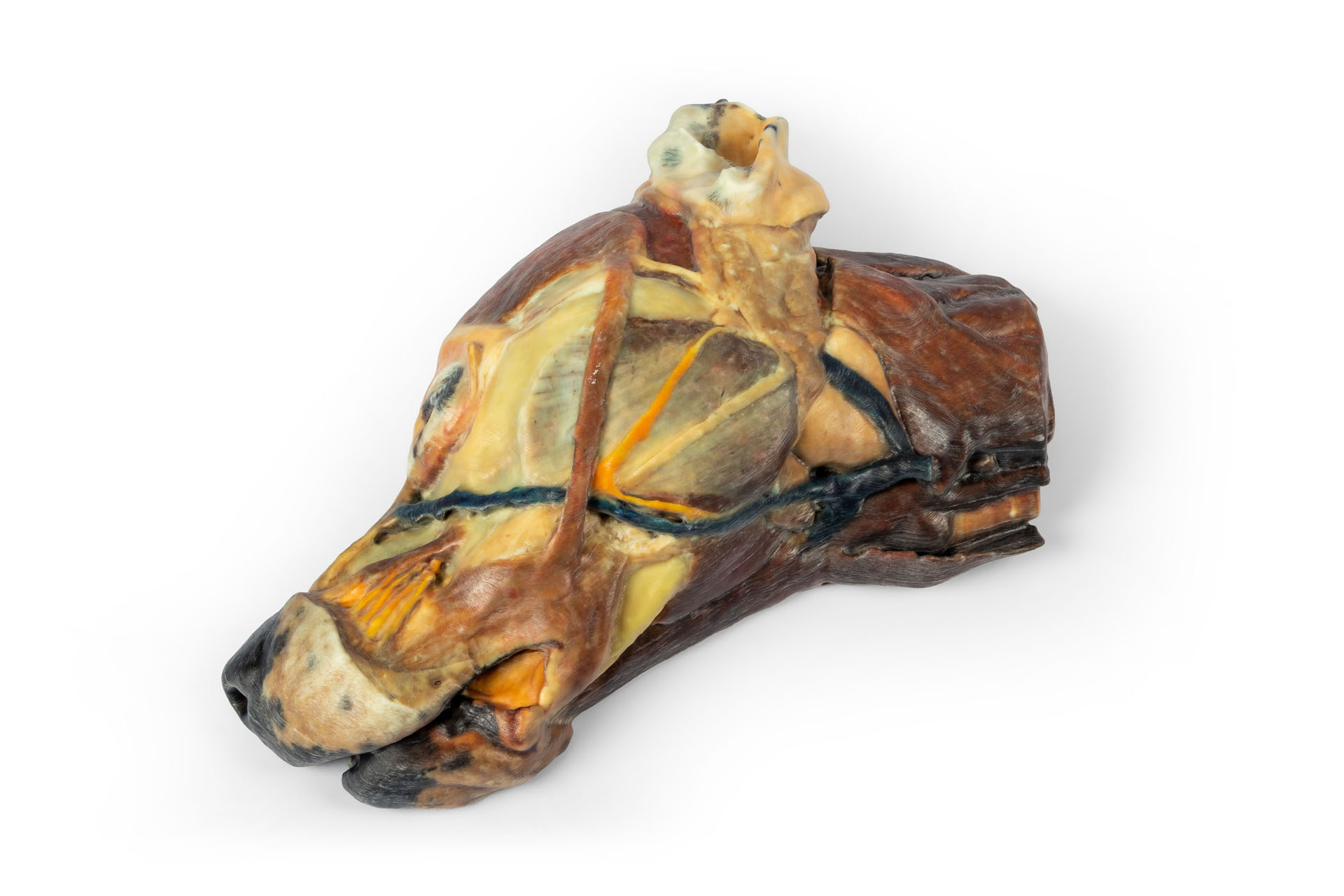
Superficial anatomical structures:Tip of the nose (Apez nasi)Right and left wings of the nose (Alae nasi)Nonglandular skin on the tip of the nose (Planun nasale)Superficial disscetion on the left side:On the left side, the skin has been removed to identify the main anatomical structures,which are described grouped below.Muscles of the facial neuromuscular system:• M. nasolabial levator (M. levator nasolabialis)• M. canine (M. caninus)• M. buccinator (M. buccinator)• M. Zygoma9c (M. zygoma:cus)• M. parodidoauricularisMuscles of the mandibular neuromuscular system (mas9cators):• M. masseter (M. masseter)• M. Temporary (M.temporalis)Nerves:• Facial nerve: (N . facialis)• Dorsal buccal Branch (Rami buccales)• Ventral buccal Branch (Rami buccales)• Bucolabial branches (Rami buccolabiales)• N. Auriculopalpebral (N. Auriculopalpebralis)Vascular:• Facial artery (Arteria facialis)• External jugular vein: (V. Jugularis externa)o Maxillary vein (V. Maxillaris)o Linguofacial vein (V. Linguofacialis)Salivary glands:• Parotid gland and paro9d duct (Glandula parotis) (Ductus parotideus)• Mandibular gland Glandula mandibularisLymph nodes:• N. L. mandibular (Lymphonodi mandubulares)Deep dissection on the right side:On this right side mandible has been removed to see deeper anatomical structures. You can see the surfaces of the temporal bone for the temporomandibular joint (Articulatio Temporomandibularis). The medial pterygoid muscle (M. pterygoideus medialis) is identified and sectioned in its insertion area to the ramus of the mandible (Ramus mandibulae). Next to this muscle, the branches of the mandibular nerve (N. mandibularis) are identified, as well as the maxillary nerve (nevus maxillaris) and the maxillary artery (arteria maxillaris). Near the external acoustic meatus (Meatus acusticus externus), the facial nerve (N . facialis) has been maintained, with one of its branches,the auriculopalpebral nerve (N. Auriculopalpebralis), running parallel to the zygomatic arch (Arcus zygomaticus), visible atier removing the parotd salivary gland (Glandula parotis). The tongue is identified in its entire caudal extension, and the styloglossus (M. stylogossus), genioglossus (M. genioglossus) and genihyoid (M. geniohydeus) muscles reach it. Next to these muscles, the hypoglossal nerve (N. hypoglossus) is identified. In relation to the pharynx (Pharynx), the constrictor muscles of the pharynx (Mm. constrictors phyngis caudalis) are identified. In the most caudal area, in relation to the neck, the course of the common caro9d artery (arteria caarotis communis) and the vagosympathetic trunk nerve (Truncus vagosympathicus) are identified.
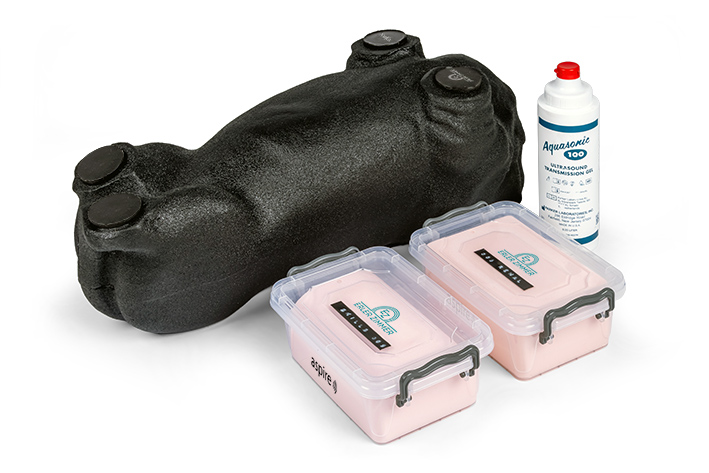
This kit is the perfect set of starter tools for anyone learning to hone the essential fine motor skills necessary for developing great abdominal ultrasound techniques. Essential. Ethical. Sustainable. High-quality veterinary ultrasound training.‘Lillie’ contains the following anatomical tissue-mimicking structures:- heart, ribs and lung,- liver, gallbladder, spleen, pancreas,- kidneys and adrenal glands, urinary bladder, stomach, duodenum, ileum, colon,- aorta and caudal vena cava. The ‘Skills’ phantom block contains the following:- spiral structure- anechoic tortuous ‘vessel’- echogenic ring- hyperechoic nodule with hypoechoic cavity; to identify and assess.The ‘Renal FNA Phantom’ is designed for needling - enabling the safe practice of ultrasound-guided needle placement.
Developed in collaboration with Aspire.
Product video
Accessing the jugular vein is a common procedure in veterinary medicine and is often used for various purposes such as administering medications, fluids, obtaining blood samples, or performing certain diagnostic tests. The head shows an extended neck position.Training on two veins is possible. The head comes with two skin covers.Both veins and skin are available as replacement parts.
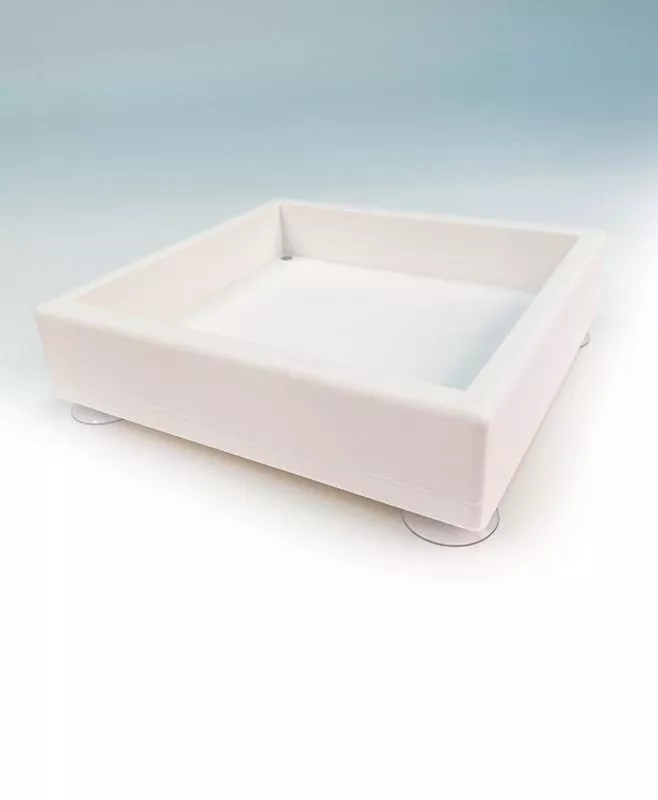
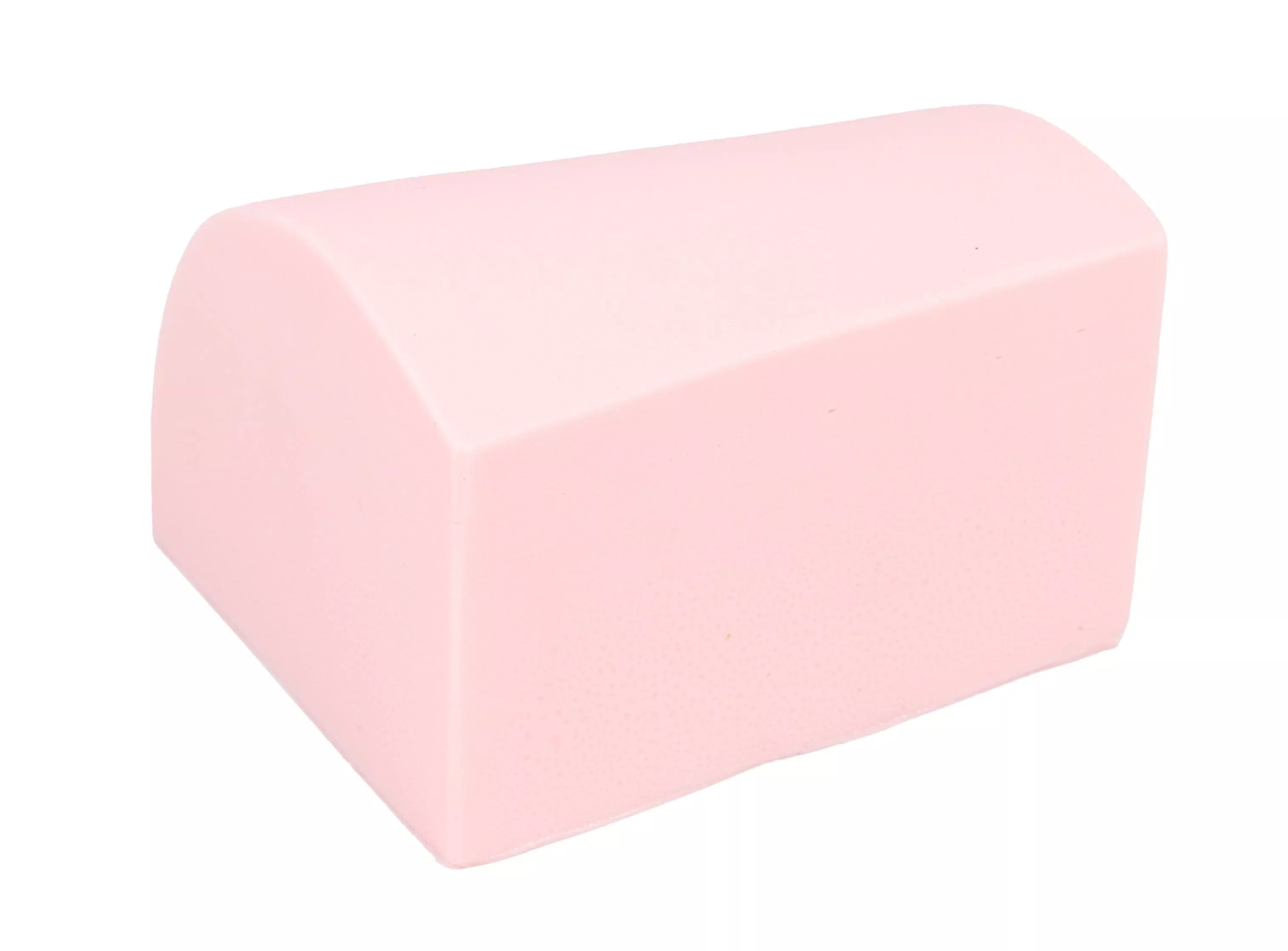
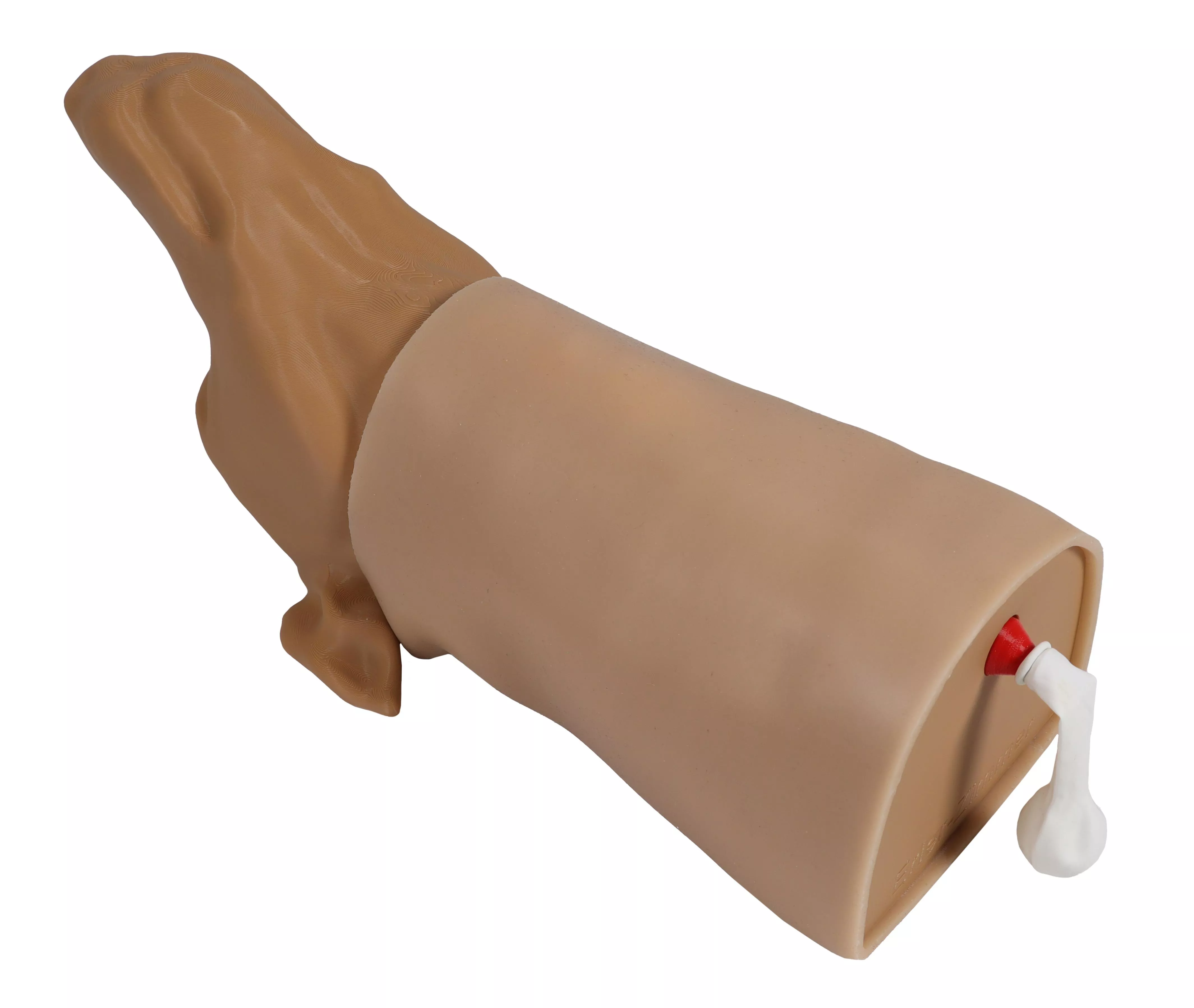
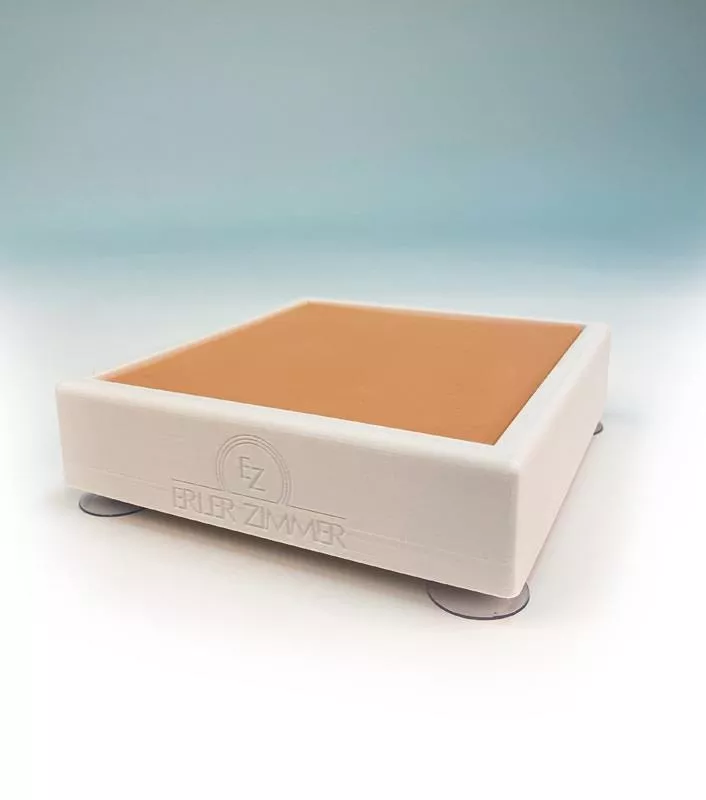
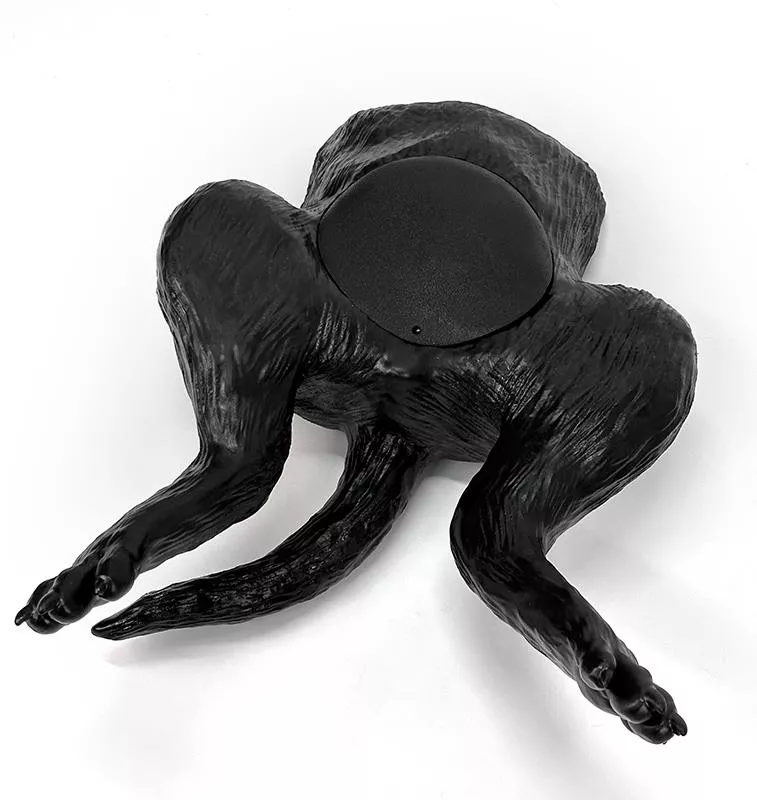
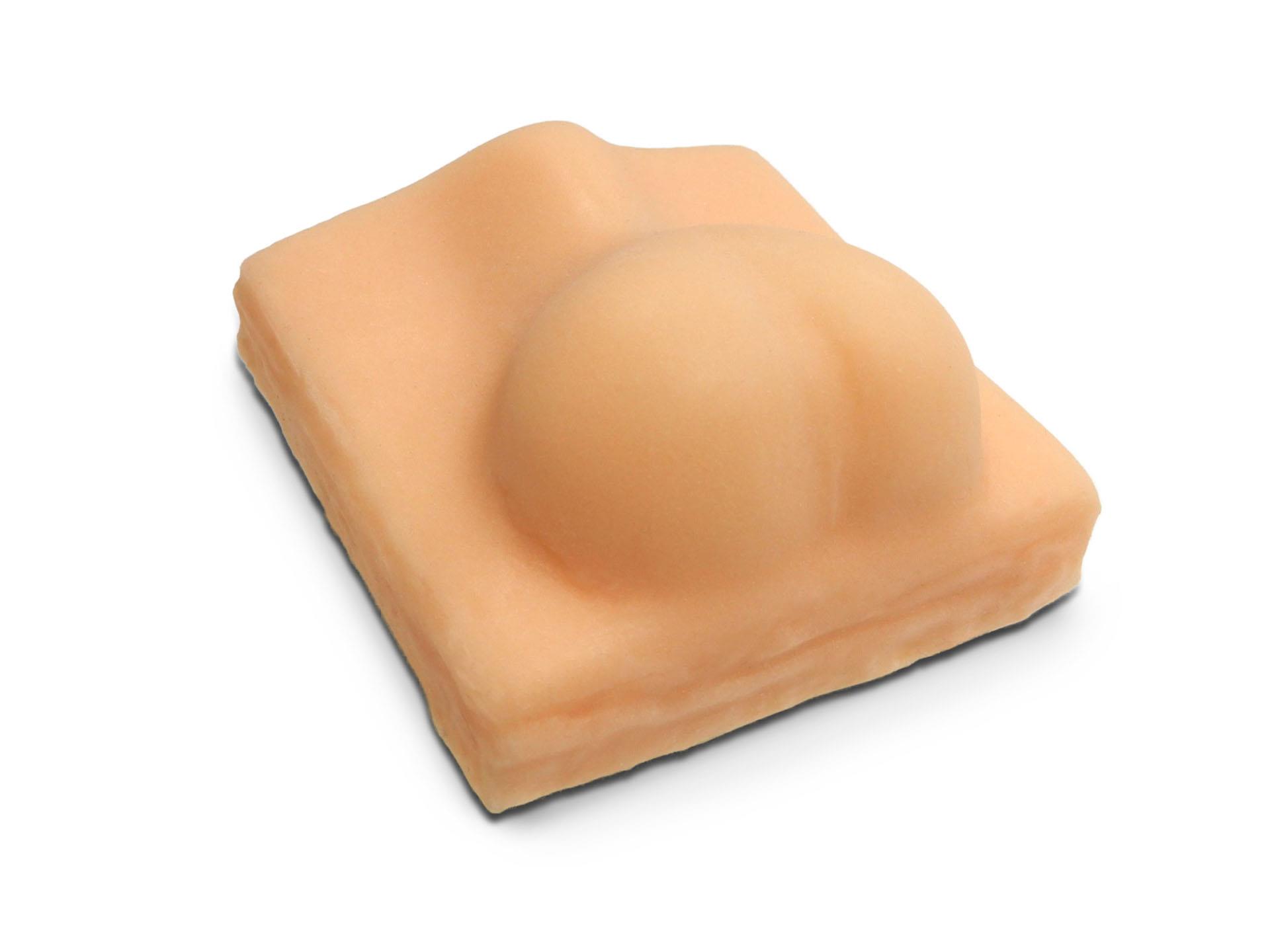
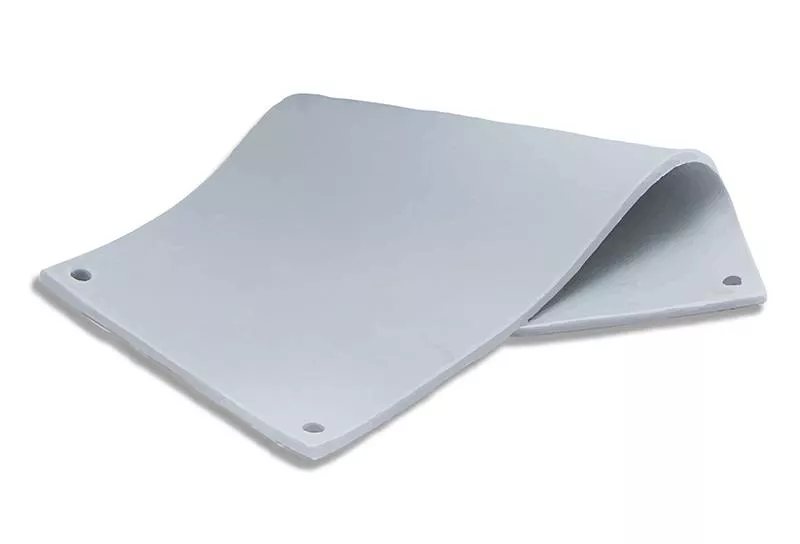
On this two-layer muscle pad, intramuscular injections on small animals can be practically trained. The lifelike skin surface simulates the soft skin of a dog or cat in texture and feel. Smaller amounts of injection volumes can be applied to the pad and different injection angles and depths can be trained. The skin-like surface closes after injection and allows multiple injections to be used.This trainer comes with a suitable jig with suction feet to adhere safely on the tabletop.
This ultrasound trainer is used for practising the biopsy of a dog's kidney. Students can practise removing conspicuously altered cells by puncturing the medium-sized tumour it contains. The model can also be used to familiarise students with the anatomy of the kidney.
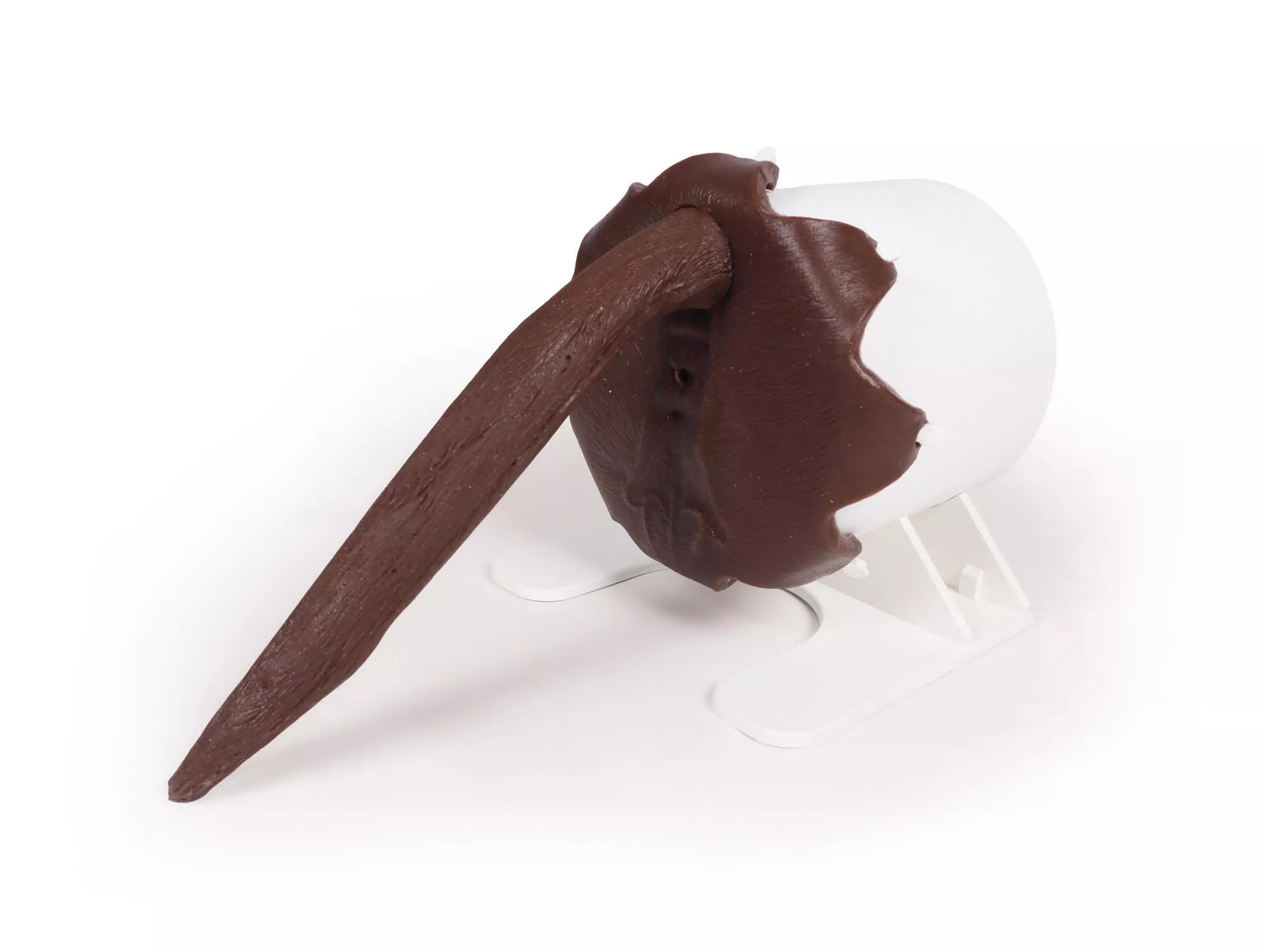
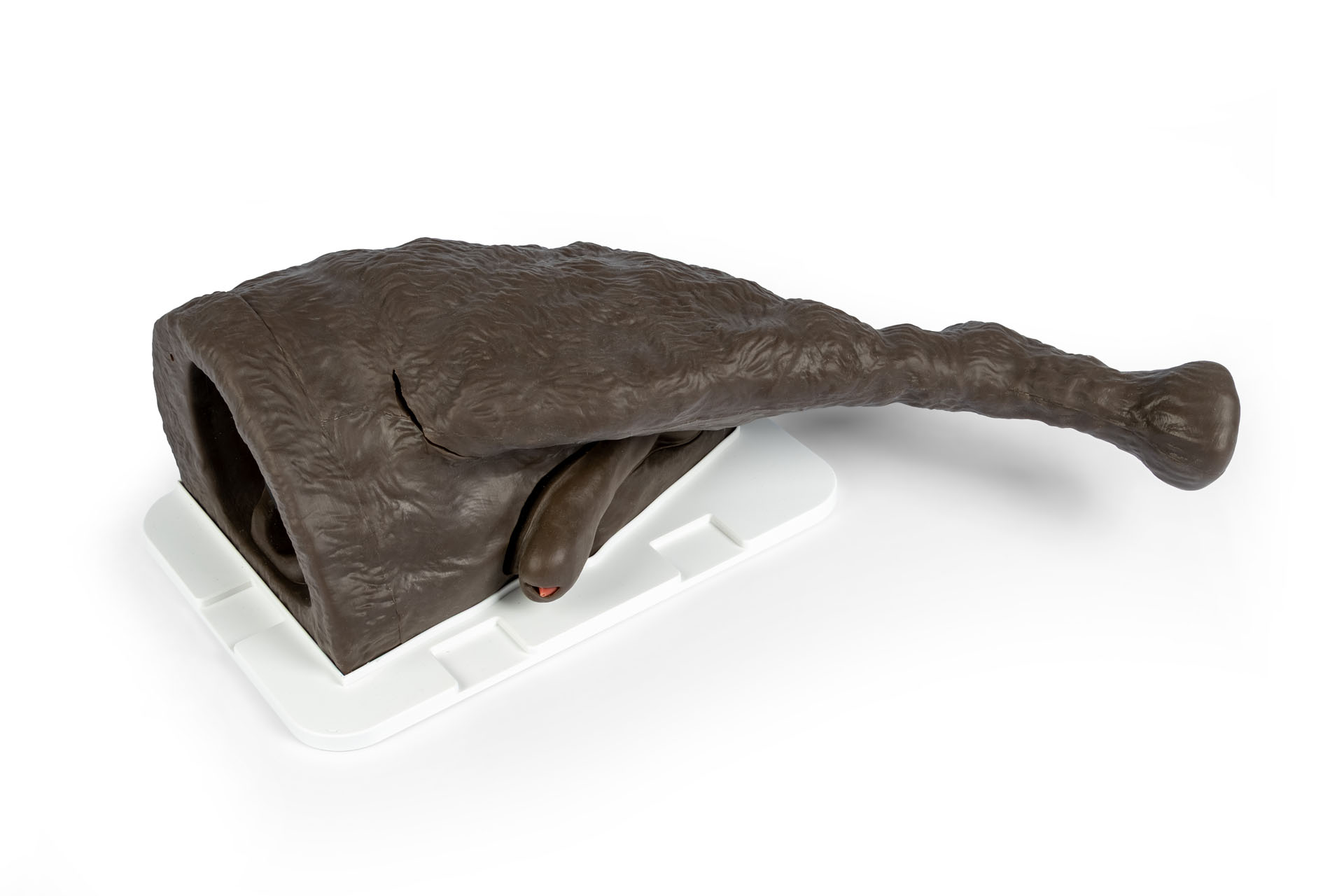
Cricothyrotomy places high demands on the skills of the practitioner and can have serious consequences for dogs if not practiced properly. Our simulator enables regular training of lifelike cricothyrotomies without risk. The handy trainer has a larynx with interchangeable conic ligament and skin. Both the skin and Lig. Conicum are designed so that both can be gradually rotated 360° and allow a variety of exercises until replacement is required. A special feature of our K9 Cricothyrotomy Simulator is the blood-filled pouch placed between the skin and ligament, which allows blood to escape during the incision and makes further work more difficult. In addition to lifelike anatomy and a realistic feel, our simulator offers an excellent price/performance ratio and high cost-effectiveness.Scope of delivery:• Basic body• Laryngeal cartilage• Larynx - ligament layer (2x)• Throat skin• Airway• Artificial blood bag (3x)
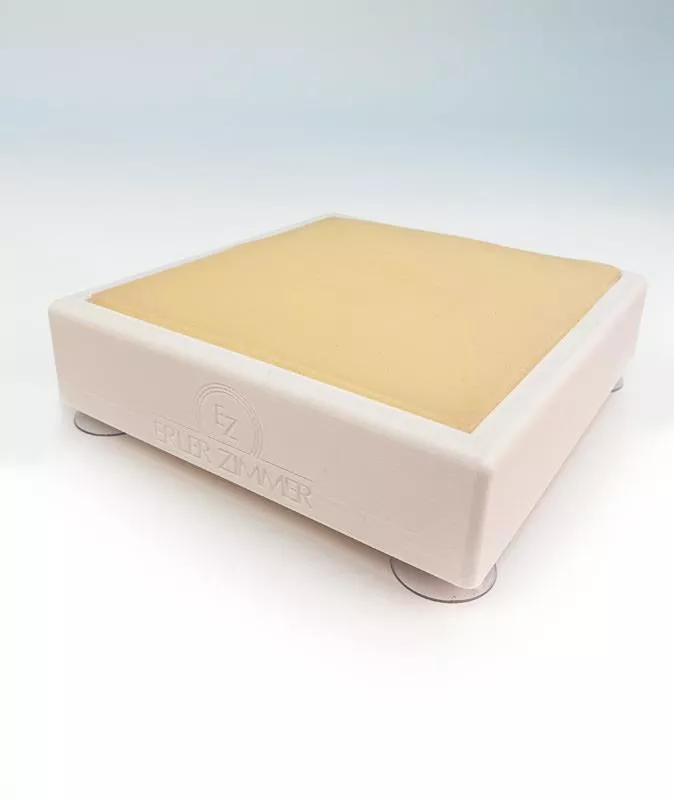
On this multi-layered tissue pad, subcutaneous injections in dogs and cats can be practiced in a realistic way. The skin-like surface can be palpated into cutis and subcutis and enables a fold of skin to be raised to locate the correct injection depth. Smaller amounts of injection volumes can be applied to the pad and different injection angles and depths can be trained. The soft surface closes after injection and allows multiple injections to be used.The trainer includes a holder with suction cups for secure attachment to the table.
This training model of the lower body of a medium-sized dog provides comprehensive training in ultrasound examination of the canine bladder. Four different inserts cover the major procedures/diagnoses, allowing training in diagnostic skills. The conditions usually have similar symptoms, so ultrasound examination is useful to obtain the actual diagnosis. Externally identical inserts require diagnostic skills to identify pathology. The following inserts are included in the practice model:- Normal Anatomy / CystocentesisThis insert allows the bladder to be located under ultrasound and the anatomy identified. The insert can be filled with water allowing for withdrawal of fluid.The insert has self-healing properties to needle track marks. We recommend a rotational insert with high usage.- Bladder stonesUndiagnosed bladder stones are very painful for the animal and can even lead to death. This insert allows the bladder stones to be located and identified so that the practitioner can learn what they look like under ultrasound.- Bladder cancerBladder cancer can be very painful and life threatening. This insert allows the practitioner to practice locating a tumor with ultrasound. - Inflammation of the bladder (cystitis)Bacterial infection of the lower urinary tract is usually painful and should be treated urgently. With this insert, the practitioner learns to recognize and diagnose cystitis.
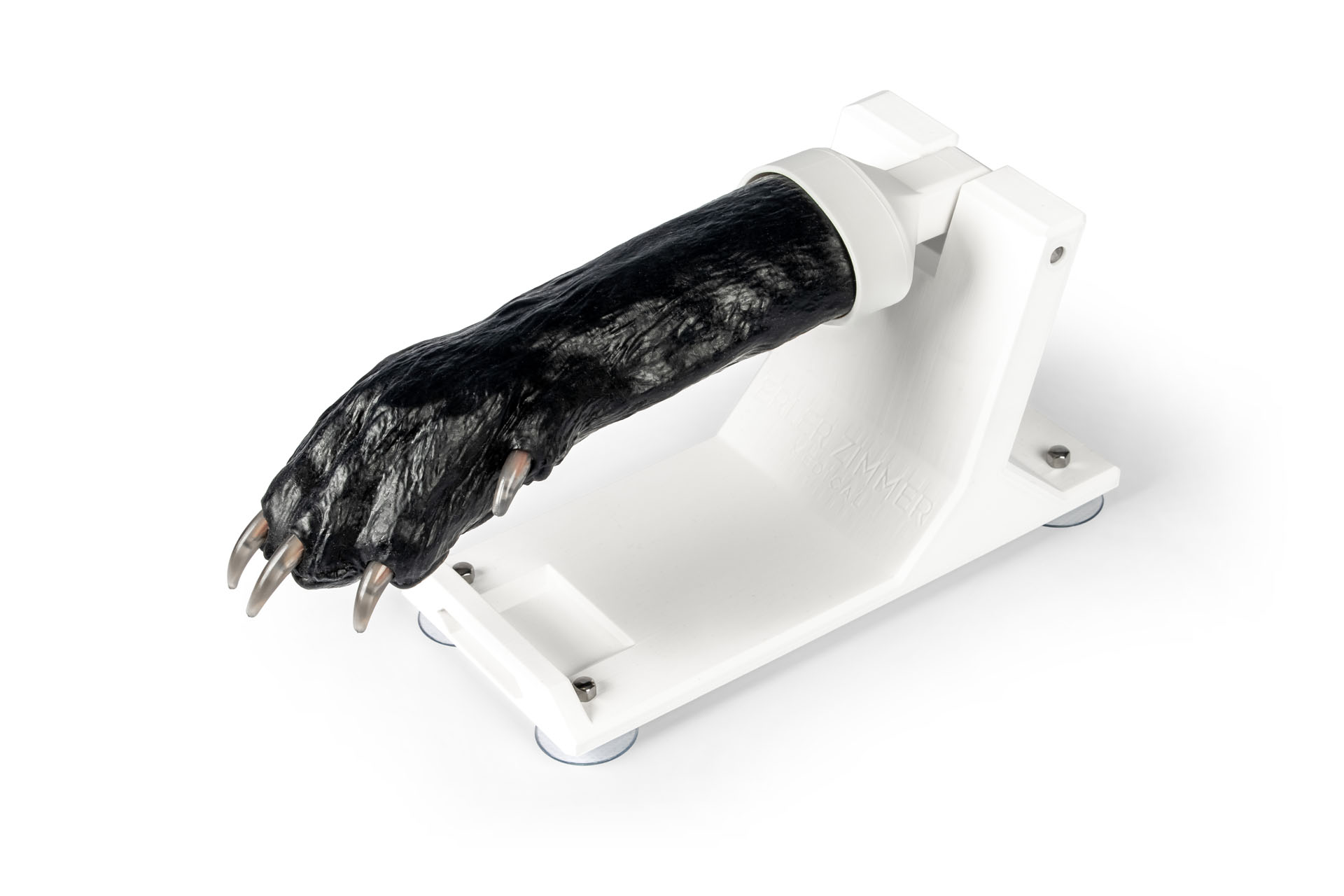
The dog paw trainer for learning how to cut claws. It has replaceable nails of various types. The paw model is made of silicone and mounted on an ergonomic base made of plexiglass. The veterinary trainer can be filled with artificial blood, which flows to the claws, to increase the realism of training.The set includes:- paw on a frame- 100 claws (25 pcs. normal black, 25 pcs. normal clear, 25 pcs. long black, 25 pcs. long clear)- 200 ml of blood-imitating fluid in a bottle- syringe
Trimming claws is one of the most common tasks in pet care and veterinary medicine—yet it remains one of the most stressful for both humans and animals. Our simulator provides the perfect solution for developing the necessary tactile sensitivity without putting a real animal at risk.
The claws are equipped with a simulated blood. If a cut is made too deep, fluid is released, allowing users to immediately recognize anatomical boundaries.
The claw segments are modular and can be easily replaced after a successful training session.
The set includes:
• a tripod
• 20 claws
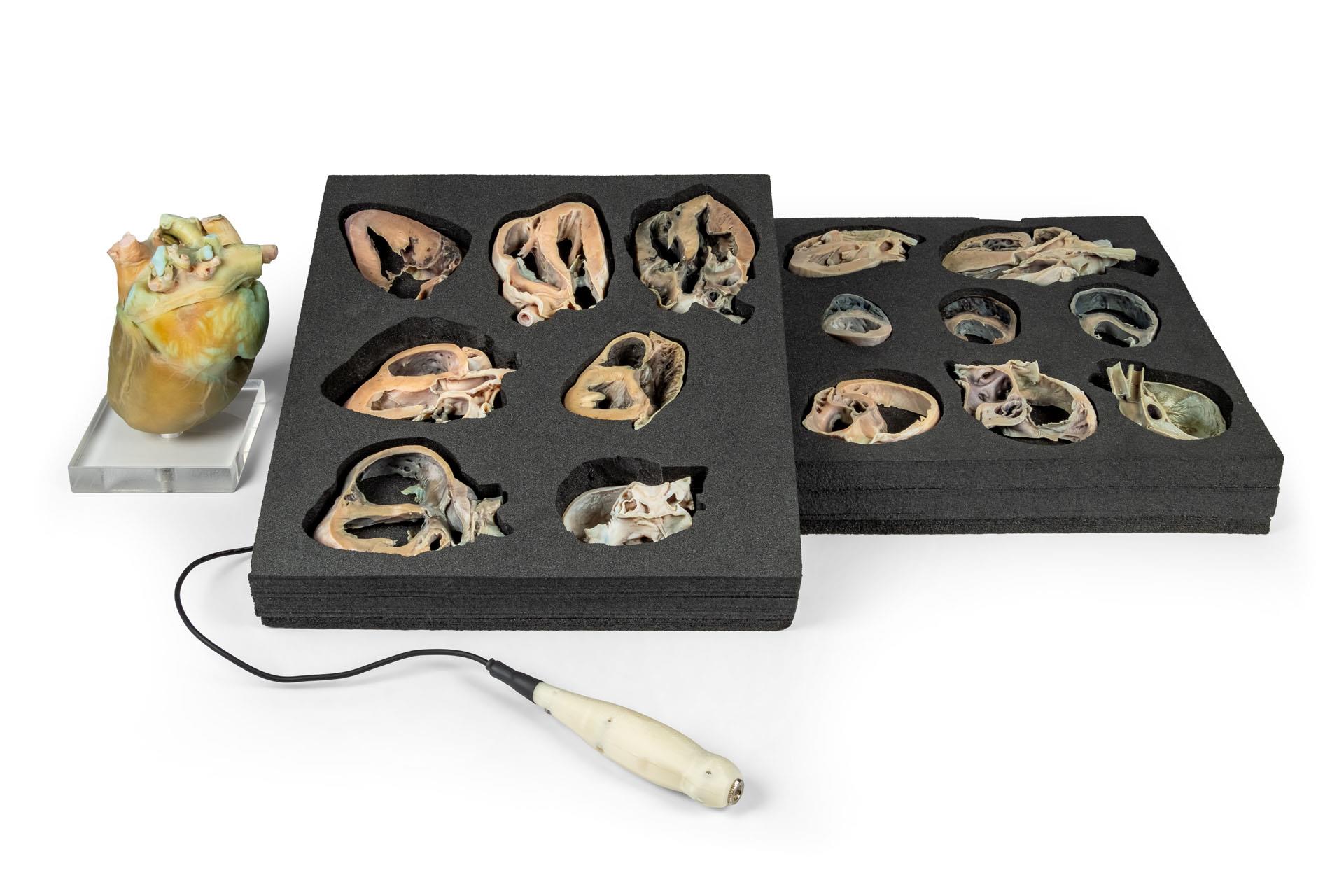
This advanced educational kit features a collection of 15 full-colour 3D-printed canine heart slices. Each model is a precise replica of an original slice, obtained from a real plastinated heart, sectioned according to standard echocardiographic planes, accurately representing the anatomical views captured through ultrasound projections during a cardiac exam. An Innovative Training Tool to simulate clinical practice, the kit includes a 3D-printed ultrasound probe with an integrated laser, enabling users to visualise the orientation and direction of typical echocardiographic projections onto a full heart replica mounted on a pedestal.The kit is supported by a dedicated online platform — www.discoverechocardiography.com — which offers a comprehensive suite of resources, including echocardiograms from healthy dogs, a probe-handling tutorial, animated cardiac visuals simulating heartbeats, and a detailed anatomical atlas.All digital content is easily accessible via a QR code provided with the kit, ensuring seamless integration of physical and digital learning.An essential teaching tool for veterinary students, educators, and professionals with an interest in canine cardiology and anatomy.
A lateral saphenous venipuncture is a procedure used to access a vein for blood collection or intravenous (IV) injections in dogs. “Vicky” allows trainees to practice venipuncture procedures on the lateral saphenous vein as well as intramuscular and subcutaneous injections in the upper thigh. The base is designed for a blood collection from a dog in a standing position. The leg can easily be removed from the base and give the opportunity to collect blood in a lateral recumbent position (lying on its side).
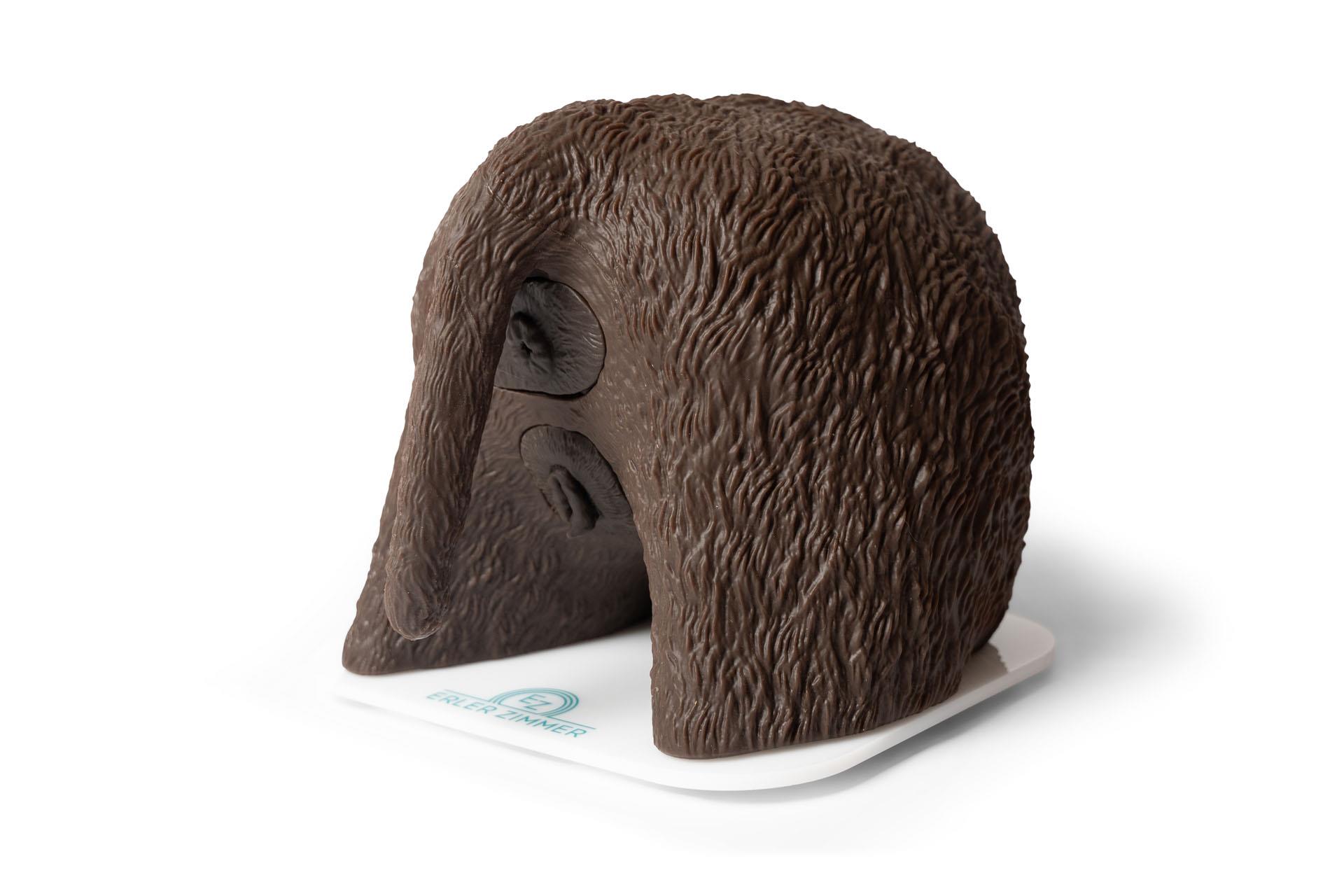
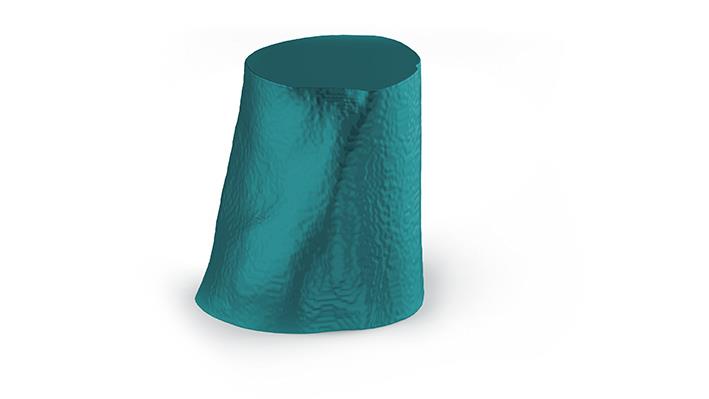
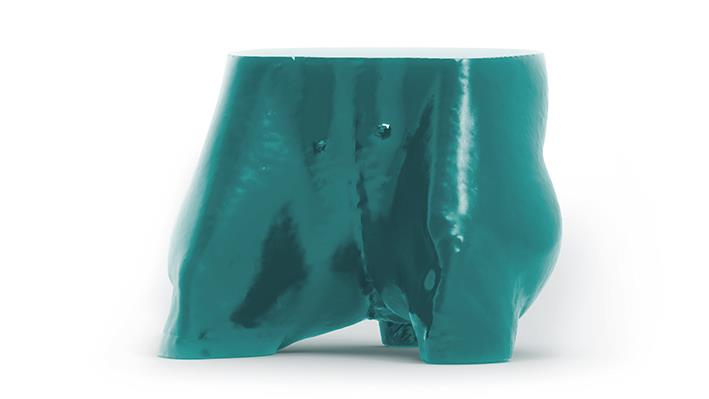
The simulator is designed for educational and training purposes in the correct technique of catheterization of female dog. The device realistically simulates the anatomical structure of the urogenital tract, including the vagina, urethra, and bladder. The simulator shows the back part of a medium-sized dog breed. The dimensions of the simulator are about 23 cm high, 27 cm wide and 31 cm deep. Kit Contents1. Silicone body with built-in fluid reservoir2. Silicone insert simulating vagina and urethra3. Artificial bladder4. Urinary adapter5. Silicone anus insert6. Base for the bodyEducational Features:• Training to locate the urethral opening in female dogs• Simulation of resistance during catheter insertion• Fluid flow response when catheter is correctly placed in the bladder• Perrectum examination training
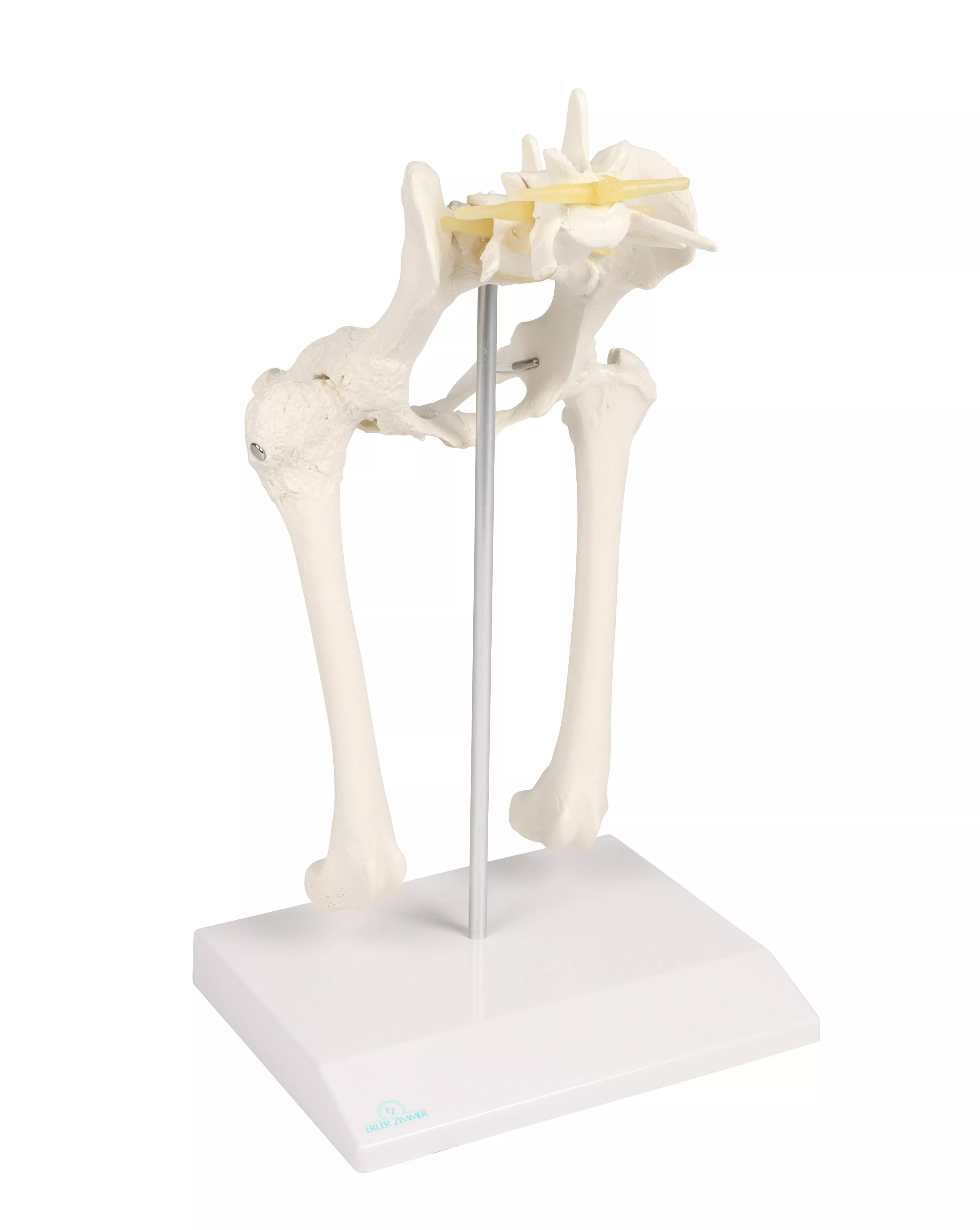
Average size dog pelvis features both normal and osteoarthritic bone, body of ilium, greater trochanter, head in acetabulum, herniated disc, neck of femur, nerve, sacrum, and third trochanter.Size: 18 x 14 x 28 cm
On this multi-layered tissue pad, subcutaneous injections in dogs and cats can be practiced in a realistic way. The skin-like surface can be palpated into cutis and subcutis and enables a fold of skin to be raised to locate the correct injection depth. Smaller amounts of injection volumes can be applied to the pad and different injection angles and depths can be trained. The soft surface closes after injection and allows multiple injections to be used.
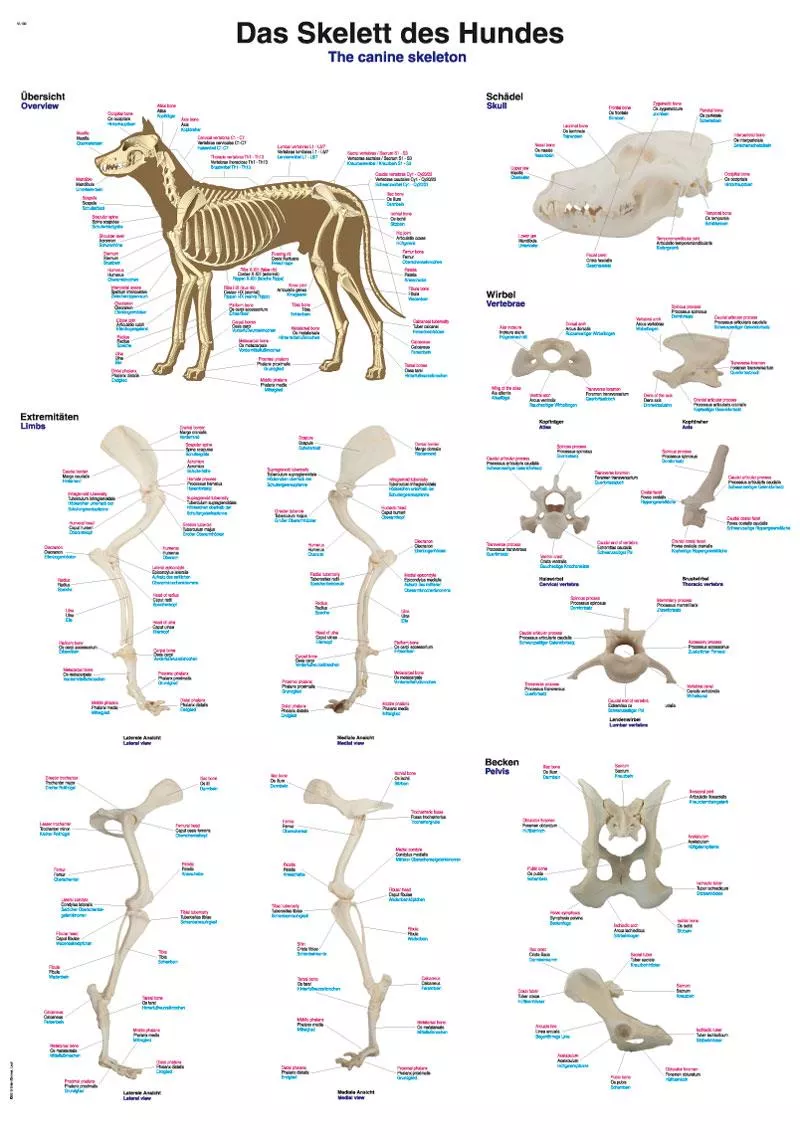
High Quality anatomical chart, made of 200g/sqm art paper, size 50x70cm, incl. attachable plastic rods with hanger. Nomenclature in German, English and Latin.
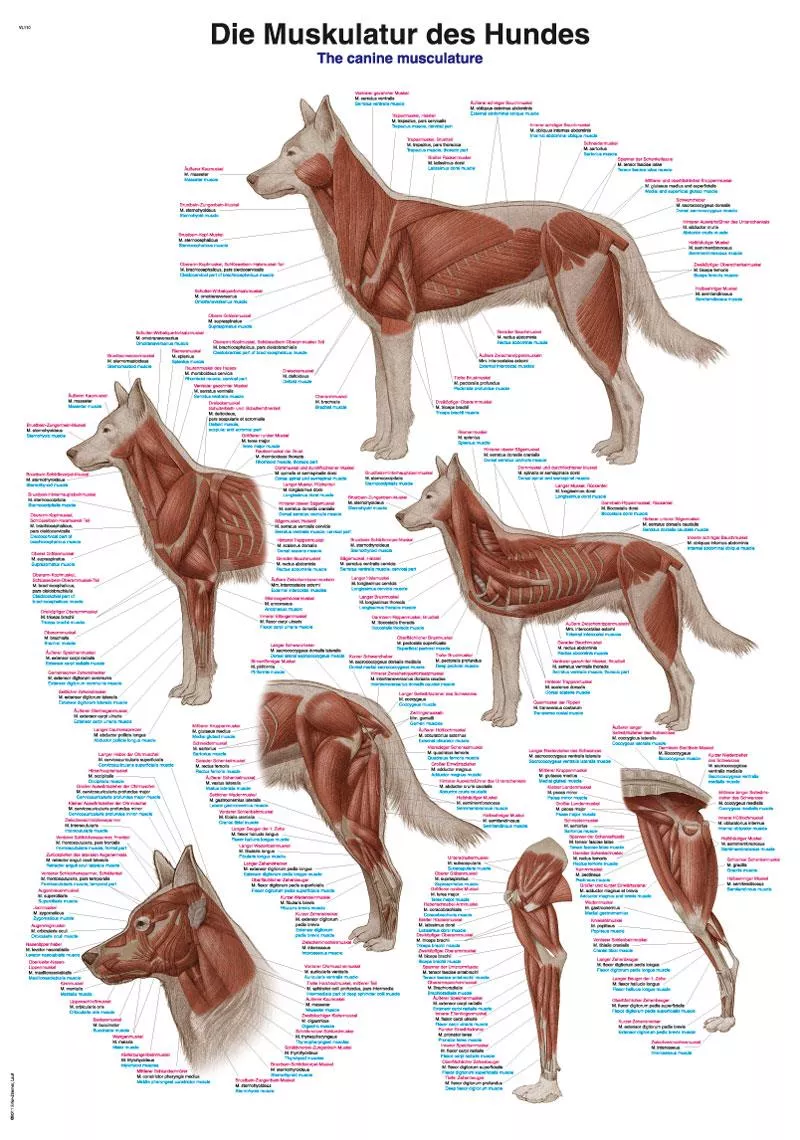
High Quality anatomical chart, made of 200g/sqm art paper, size 50x70cm, incl. attachable plastic rods with hanger. Nomenclature in German, English and Latin.
The Dog Skeleton "Olaf" is an actual cast of the skeleton of a medium-size crossbreed dog with about 45cm shoulder height. The spine is not moveable, tail is removable. The legs can be moved and removed, perfect for use in courses and further education. The lower jaw is movable mounted, the teeth are representednaturally.Model size without base: 90 x 16 x 65 cm
On this two-layer muscle pad, intramuscular injections on small animals can be practically trained. The lifelike skin surface simulates the soft skin of a dog or cat in texture and feel. Smaller amounts of injection volumes can be applied to the pad and different injection angles and depths can be trained. The skin-like surface closes after injection and allows multiple injections to be used.
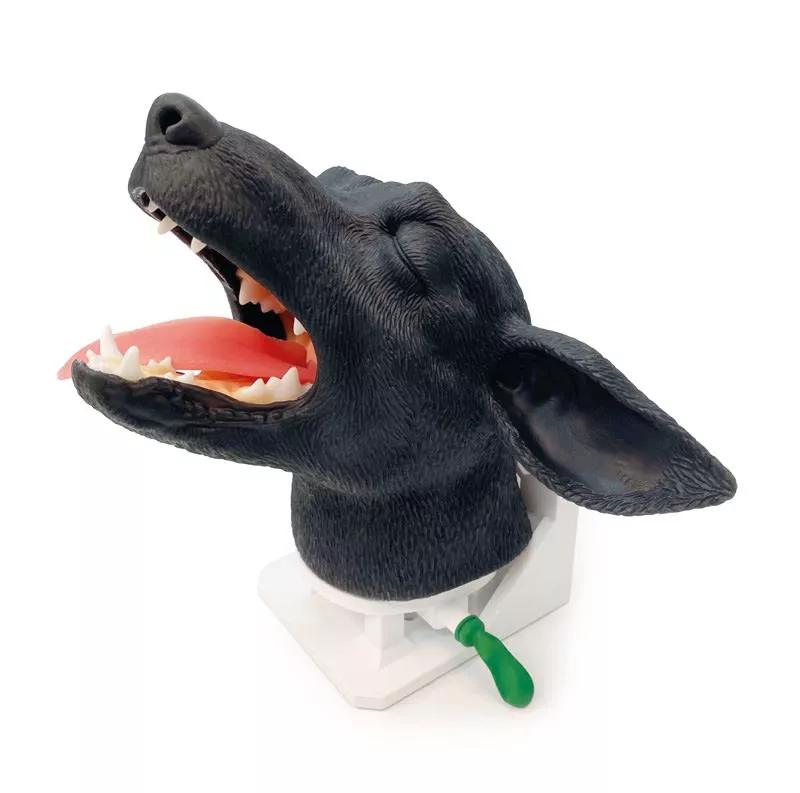
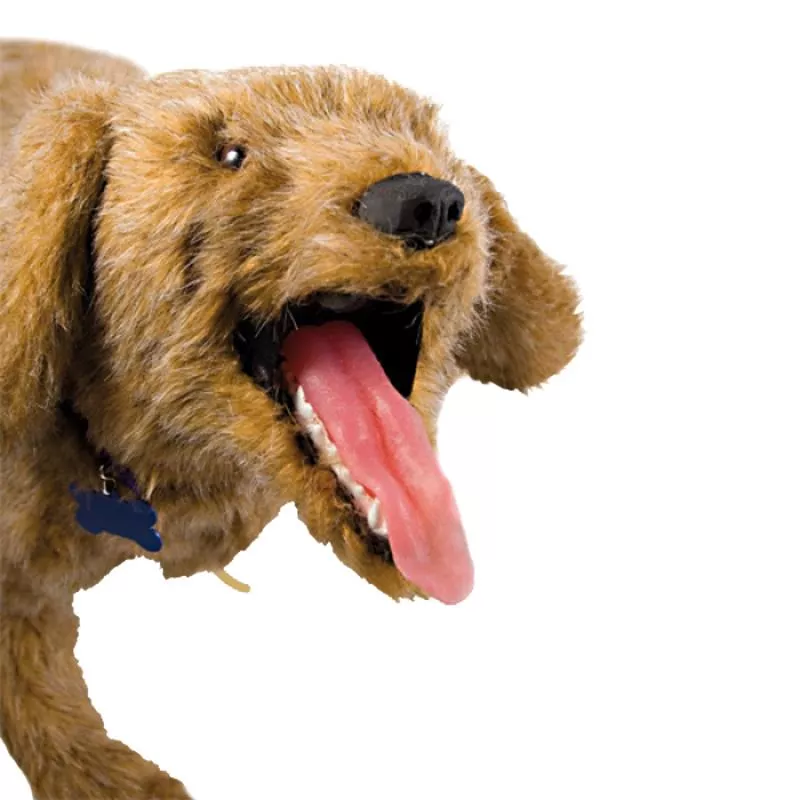
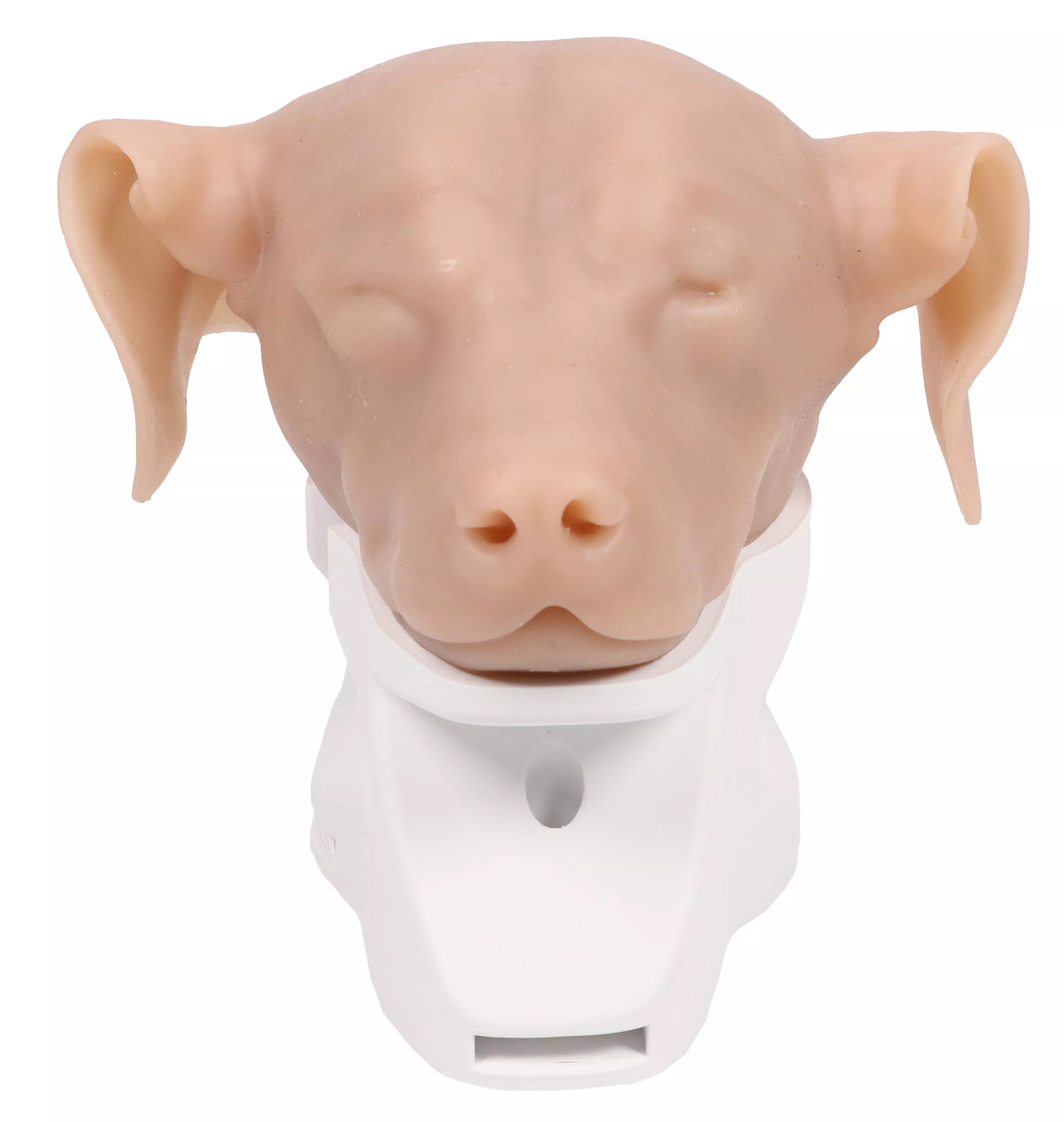
This realistic training phantom is ideal for practicing the procedure and techniques involved in endotracheal intubation.The tongue is flexible. The teeth are made of hard plastic, so a tooth spreader can also be used.Epiglottis and soft palate as well as esophagus are present. The dog's head is mounted on a base. The base is designed in such a way that you can intubate in upright as well as in a lying (supine) position.The stand also offers a success check if the intubation is carried out correctly.A clamp included in the scope of delivery offers a firm stand.
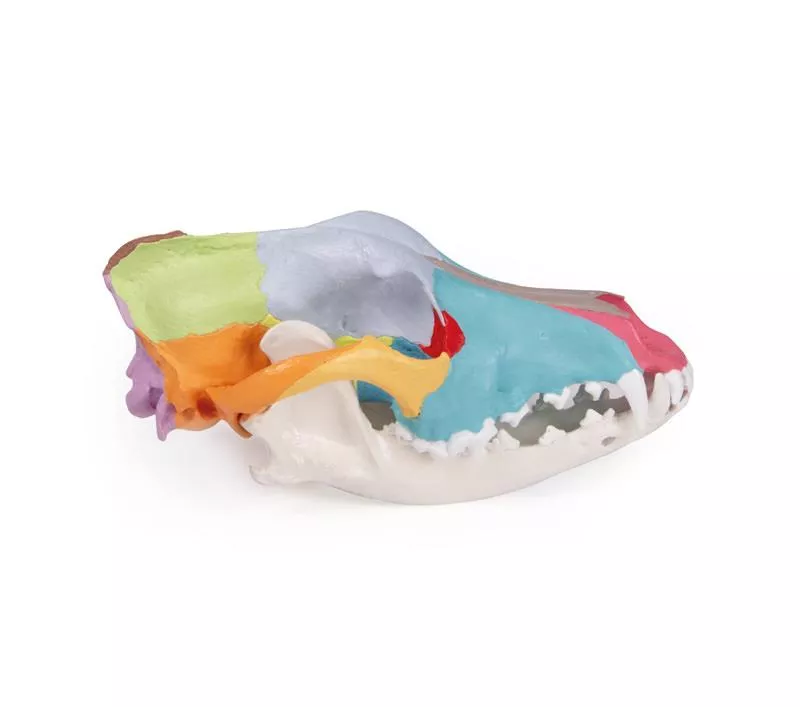
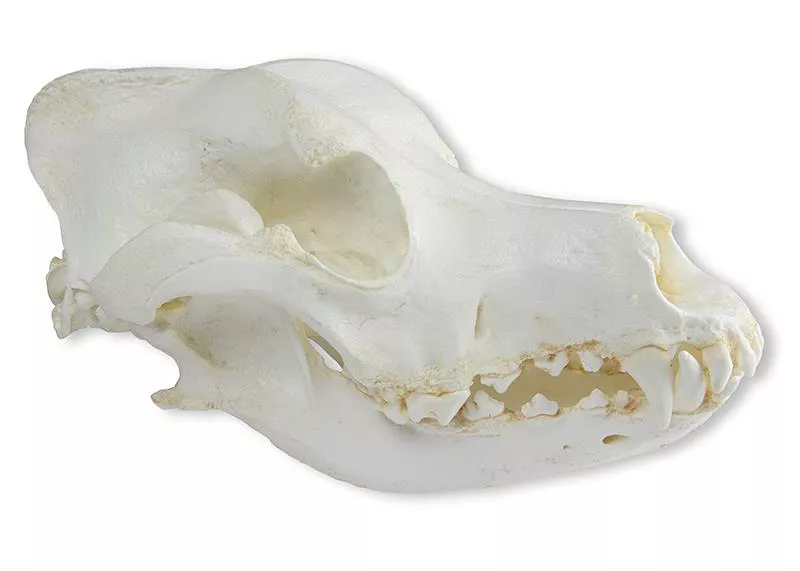
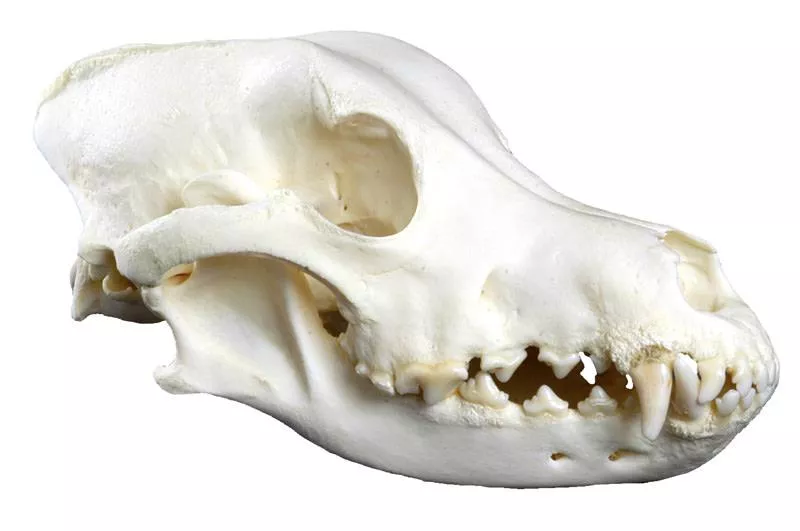
This life-size replica of a dog's skull shows the anatomical structures and is didactically painted so that the individual bones of the skull can be clearly seen and their location and relationship to one another can be learned. An ideal tool for canine osteopaths and canine physiotherapists. The lower jaw can be moved and removed. Inclusive KeyCard in English and German22x10x10 cm 0,5 kg Augmented- Anatomy- AppThe new Augmented Anatomy App in combination with this high quality anatomical model makes learning now even easier and more efficient!This app automatically recognises our anatomical models and displays the nomenclature in augmented reality. As an Erler Zimmer customer, you can use it completely free of charge and for an unlimited period of time. • High-quality Augmented Reality learning app • Free of charge and without registration • Nomenclature always and everywhere available • Further online links in the learning lexicon Our augmented anatomy app works on all common smartphones or tablets. Click here to Download the App.
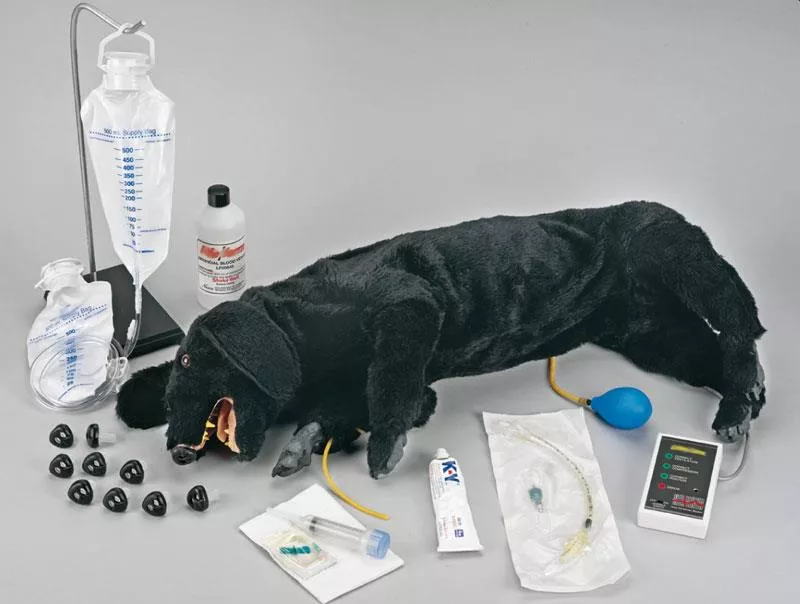
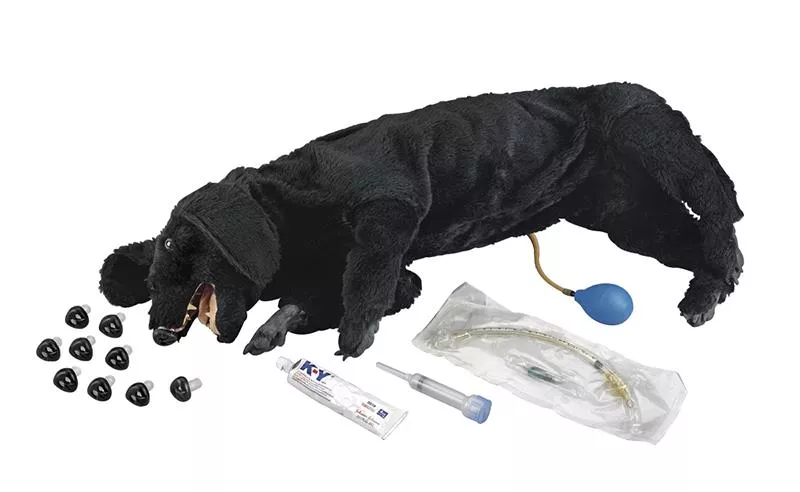
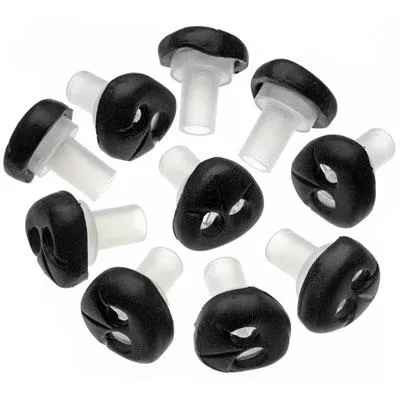
The advanced sanitary CPR dog provides each student with their own nosepiece with a one-way valve. The nosepieces and lower airways are disposable. In addition to practice in assisted breathing, students may practice the appropriate rate, pressure, and position of cardiac massage; and coordinate the respiratory cardiovascular functions. An IV can even be established for more advanced training. The Advanced CPR Dog is connected to a small box that displays a light when the correct ventilation volume is applied, another light indicates correct position for cardiac massage, a third light indicates correct compression depth, and an audible beep and light indicates excessive pressure is being applied. A visible chest rise appears when correct ventilations are applied. Includes soft carrying case, 10 nosepieces, and three lower disposable airway.
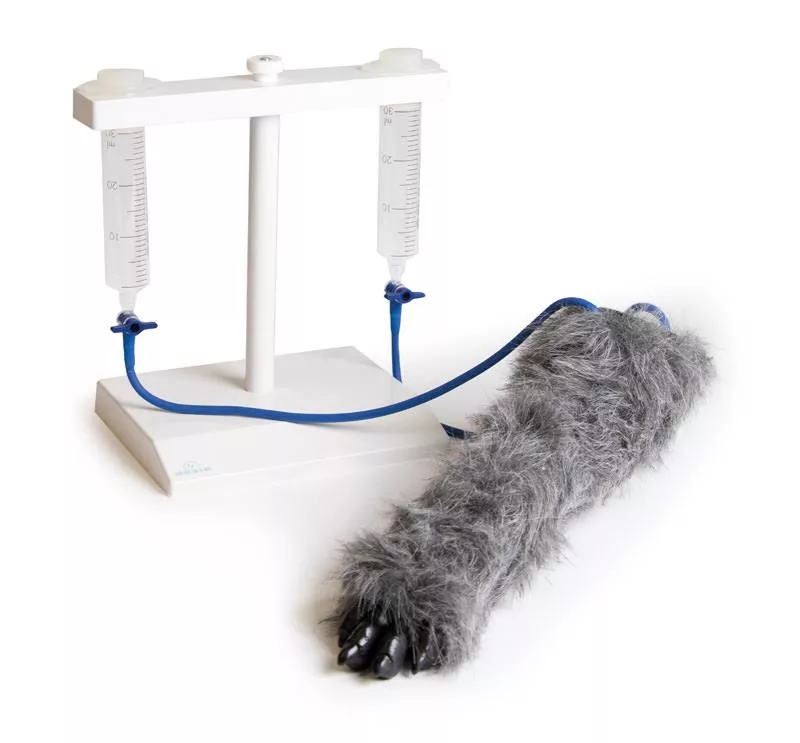
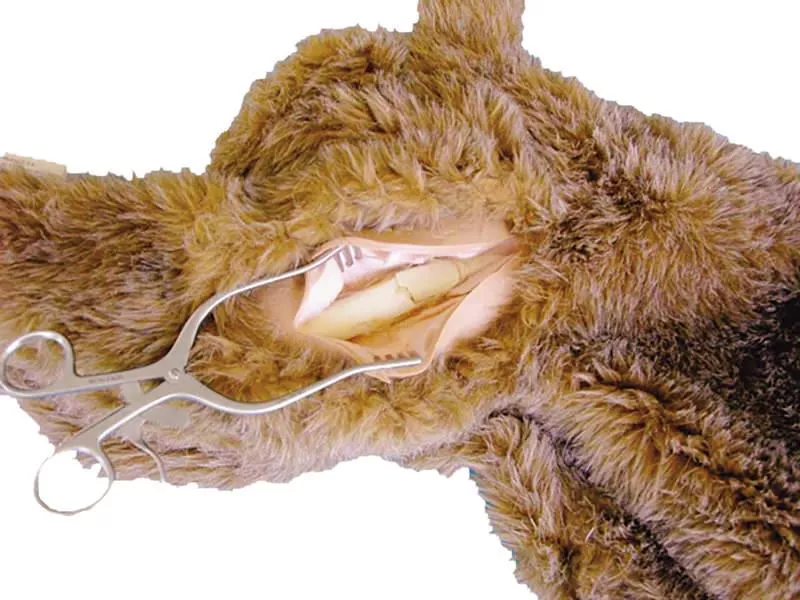
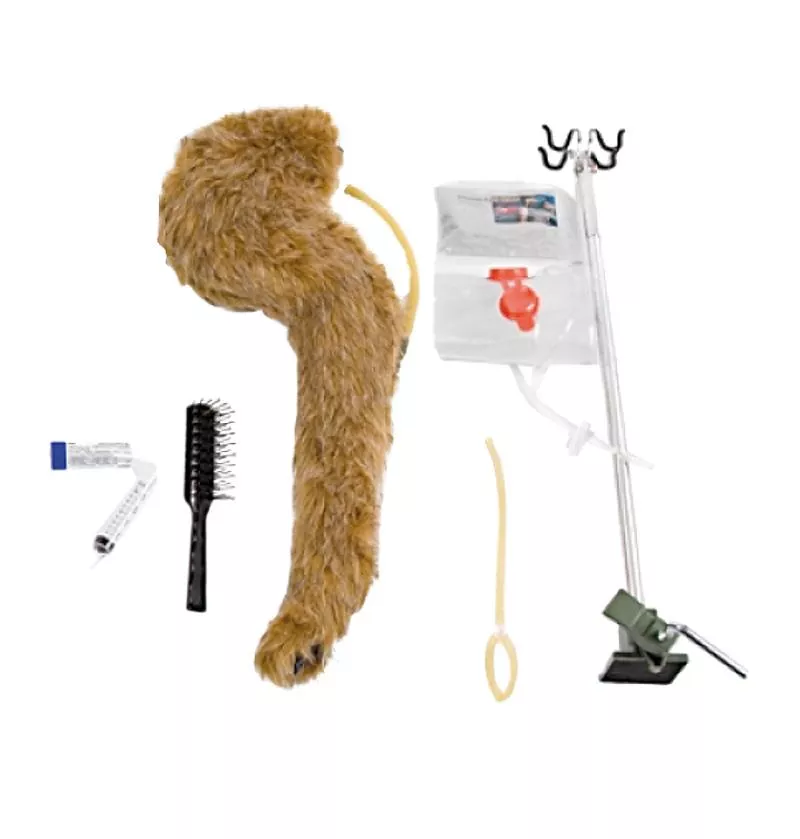
With our canine i.v. Injection leg (forelimb) the correct course of an intravenous injection can be trained.The forelimb has an artificial fur which can be clipped with a clipper. Multiple shearing operations are possible by rotating the fur.The cephalic vein can be palpated and punctured.A peripheral venous catheter (PVK) can be placed without any problems.The paw comes with a replacement fur and an additional vein tube.
This high-quality, anatomical 3D-printed model of a dog’s head provides a detailed and lifelike representation of the complex anatomical structures of the head and neck region. The model features a precise facial dissection as well as a medial view with the pharynx and larynx exposed, thereby facilitating a deeper understanding of canine topographic anatomy.
The careful rendering of anatomical details clearly visualizes relevant structures of the face, musculature, and upper respiratory tract. Color-coded areas facilitate orientation and aid in the anatomical identification of individual structures.
Manufactured using a high-quality 3D printing process, the model combines precision, durability, and a high level of detail. It is ideally suited for use in veterinary education, teaching, and demonstrations, as well as for scientific collections and anatomical studies.
Special features:
• Detailed anatomical 3D-printed model of a dog’s head
• Depiction of a facial dissection with exposed structures
• Medial view of the pharynx and larynx to illustrate the anatomy of the respiratory tract
• Color-coded anatomical regions for better orientation
• Robust and precise construction using modern 3D printing technology
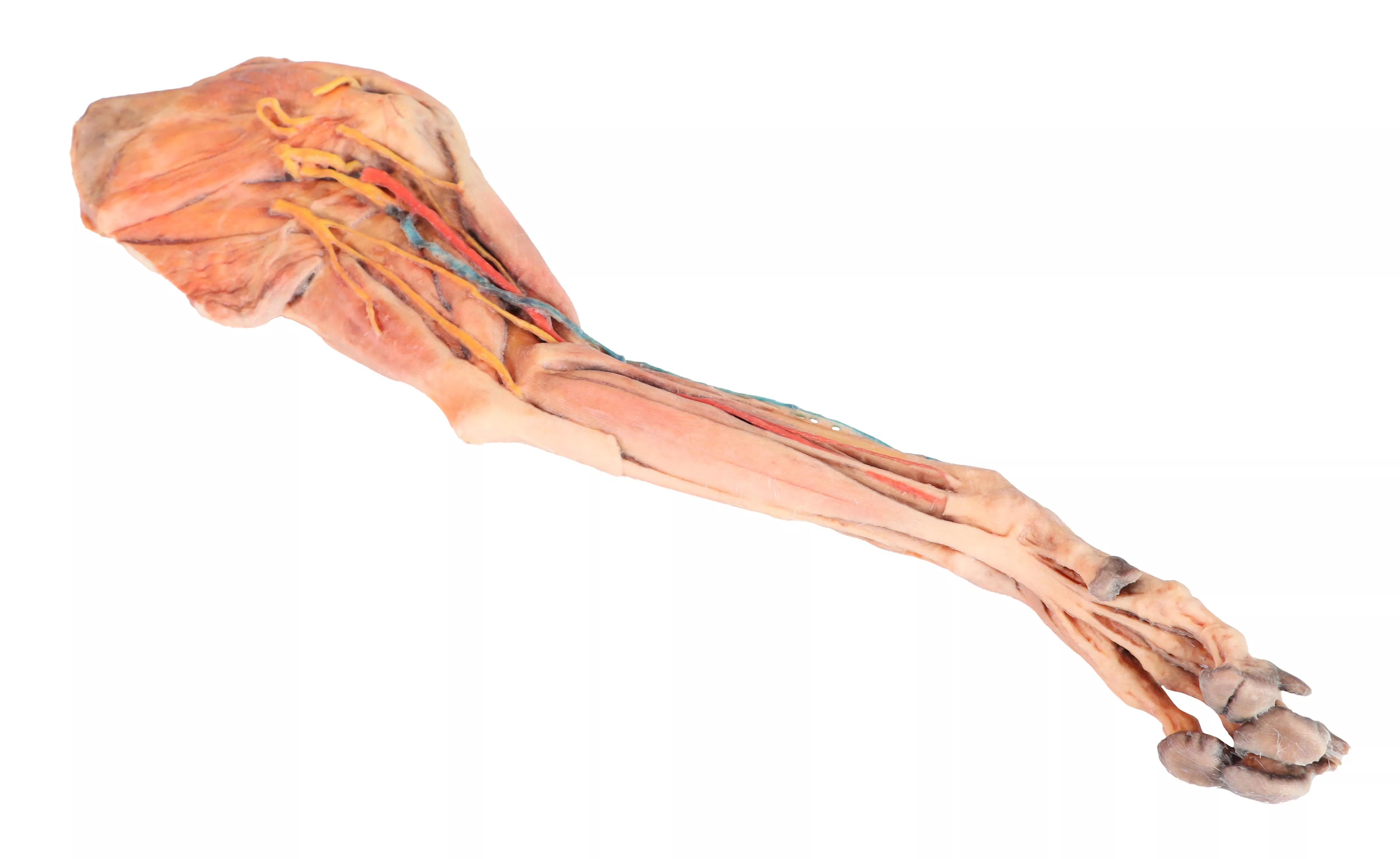
This specimen demonstrates the superficial anatomy of a dog's right thoracic limb from the scapula to the hand. The shoulder flexor and extensor muscles of the scapular region have been preserved, along with the arm flexor and extensor muscles of the elbow. In the forearm and hand are the flexor and extensor muscles of the carpus and fingers. On the medial side of the axillary region the main nerves of the brachial plexus have been preserved. Similarly, the paths of the brachial and median arteries and their respective veins are identified. In a superficial position, the cephalic vein has been preserved together with the antebrachialis lateral cutaneous nerve of the forearm. Detailed anatomical description on request.
This model of the heart of an average size dog can be dissected into two parts. After removing the front heart wall the model shows ventricles, valves and atriums. On stand.
This model is a precise, life-size representation of an average canine heart infected with Dirofilaria immitis (heartworm). This high-quality educational model combines anatomical accuracy with exceptional detail to provide a comprehensive learning resource for veterinary professionals, students, and pet owners.
The Canine Head Vascular Access Simulator is designed for practice on jugular blood draws and catheter insertion on small animals. This model features proper head position for ideal procedural training as well as a simulated skin and vein that is much more realistic than latex. Both the skin and vein are available as replacements in order to give you as much training as you need without high cost. Interested in increasing the level of difficulty? The Canine Head Vascular Access Simulator comes with TWO Vein Cushions that hold the simulated jugular vein at different depths for the opportunity for additional challenge.
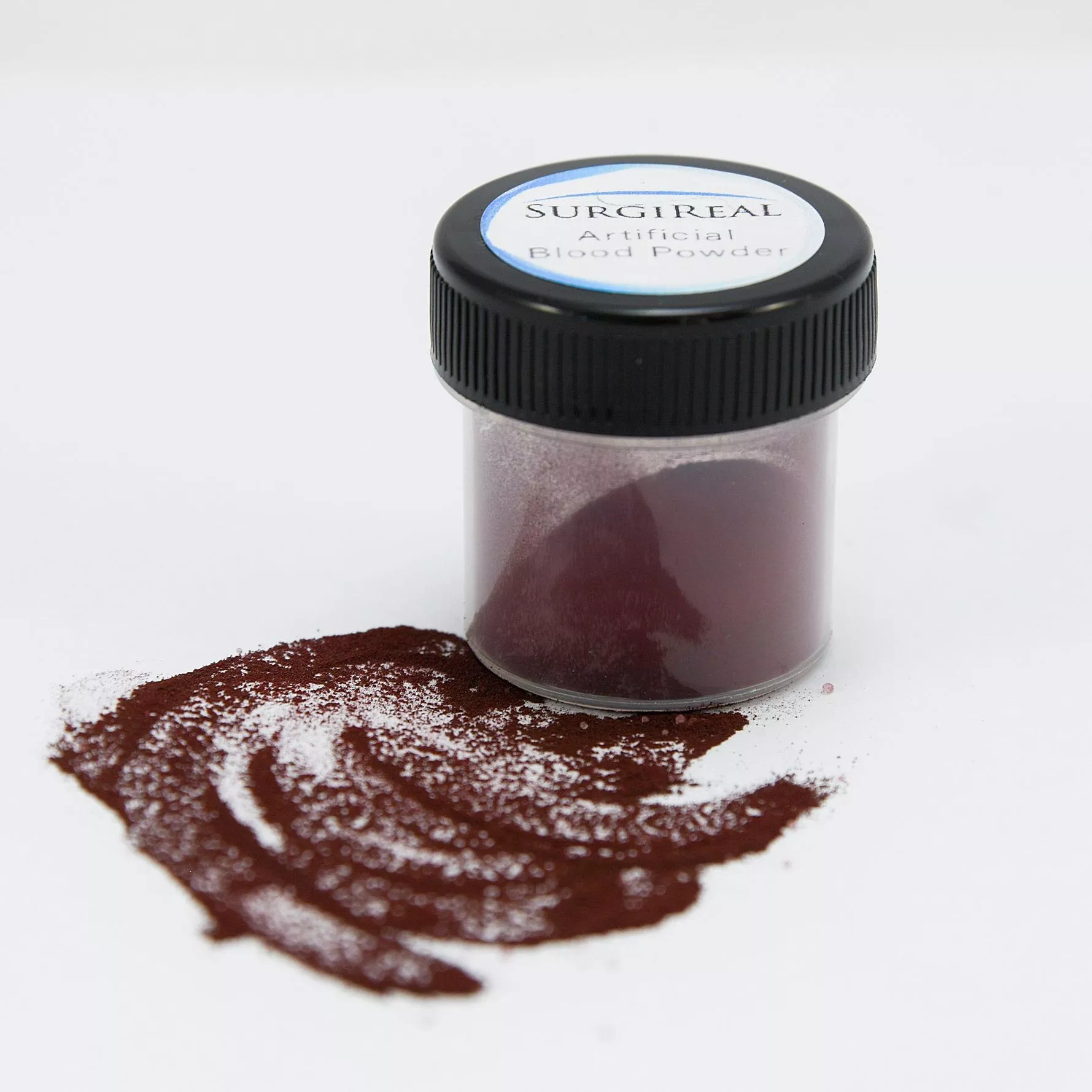
Simply mix SurgiReal's Artifical Blood Powder with water, add the mixture to an IV Bag, and start using your favorite SurgiReal RealFlow product! You could make one liter fake Blood with this Powder
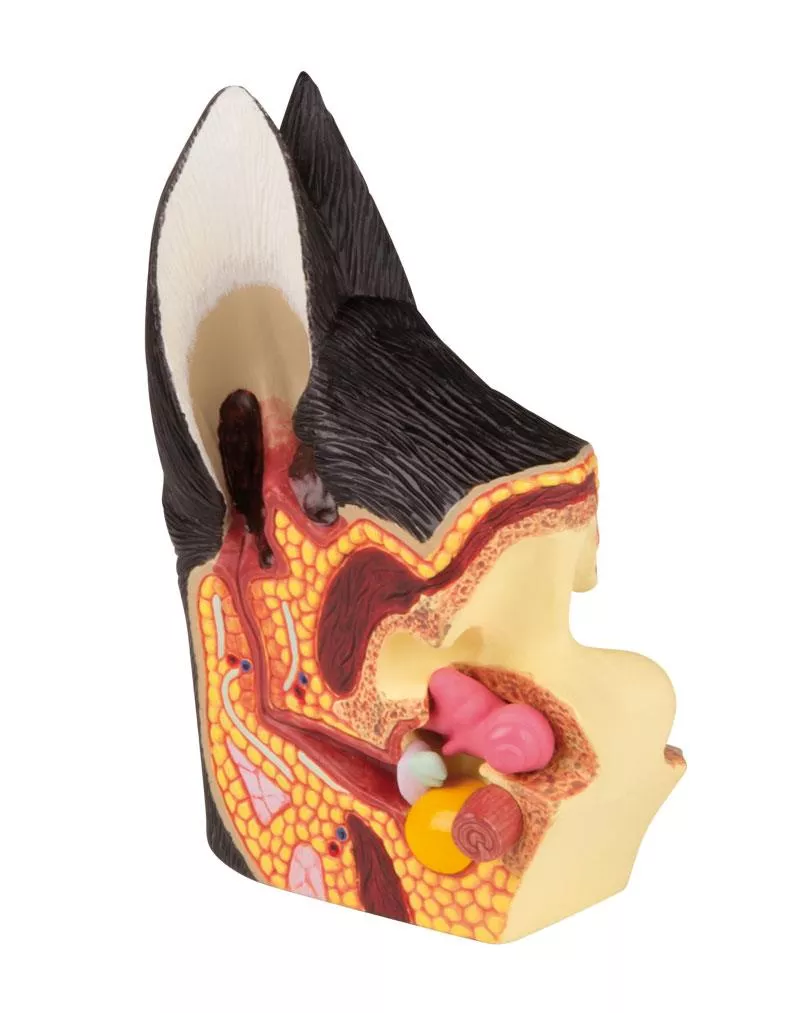
This handy model has a normal side with cochlea, auditory ossicles, auditory tube, tympanic bulla, middle ear cavity, tympanic membrane, horizontal canal, vertical canal, auricular cartilage, pinna and temporalis muscle; and a diseased side showing inflamed inner ear structures, inflammatory exudate in tympanic bulla, ear canal with partial occlusion from cellular hyperplasia, and an reddened (inflamed) outer ear.Size: 12 x 8 x 5 cm
We are proud to introduce this fully functional canine i.v. leg trainer at an affordable price! The trainerrepresents the left foreleg of a medium-sized dog in the sternal recumbent position, and features twointerchangeable sleeves – normal fur for routine blood draws, and a “shaved” area for i.v. catheterinsertion. The replaceable vein system demonstrates actual blood flashback. Great for bandaging andrestraint/assistance practice as well. The stable, self-supporting design lets students practice alone oras a team. Perfect for veterinary schools and vet tech programs. Includes a portable storage box withbuilt-in i.v. pole, blood powder, syringe, i.v. catheter, and two fluid supply bags.
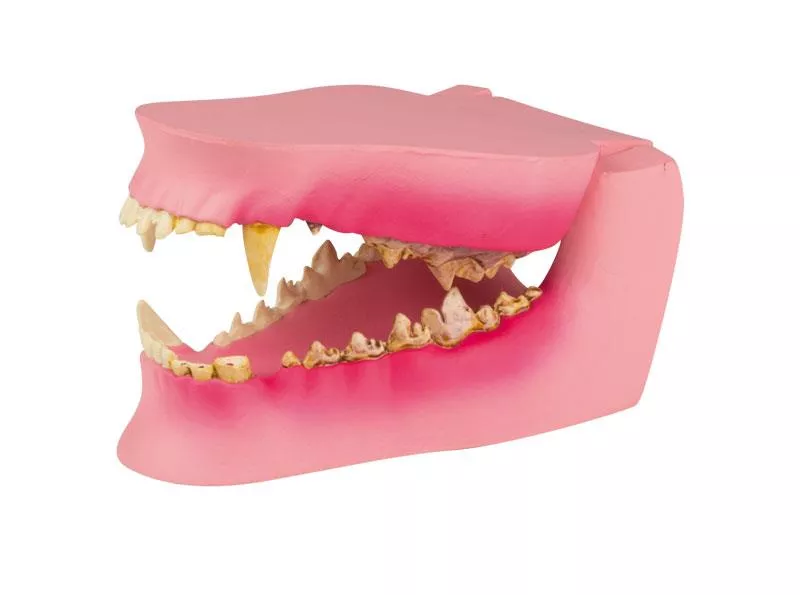
This canine jaw of a mid-size dog shows healthy teeth on the right side and diseased/broken teeth on the left side. The nine pathologies shown in this model are: missing premolar, gingival recession, retained deciduous tooth, retained deciduous tooth, worn incisors, gingivitis, plaque, tarter accumulation, periodontal disease and fractured canine. The jaw can be opened, closed and separated for detailed study.Size: 12 x 7.5 x 5.5 cm
This specimen preserves a superficial dissection of the lower hindlimb musculature from the mid-thigh to the foot, as well as nerves and vessels of the femoral canal and popliteal fossa.The insertions of the muscles of the thigh in the stifle joint and tibial bone are visible. The capsule of the stifle joint has been opened to demonstrate the menisci and the collateralligaments. Extensor and flexor muscles of the tarsus and fingers are exposed. The dissection preserves the topography of the lateral saphenous vein on the foot surface and caudal aspect of the leg Dorsal and palmar anatomical structures of the foot are dissected. Detailed anatomical description on request.
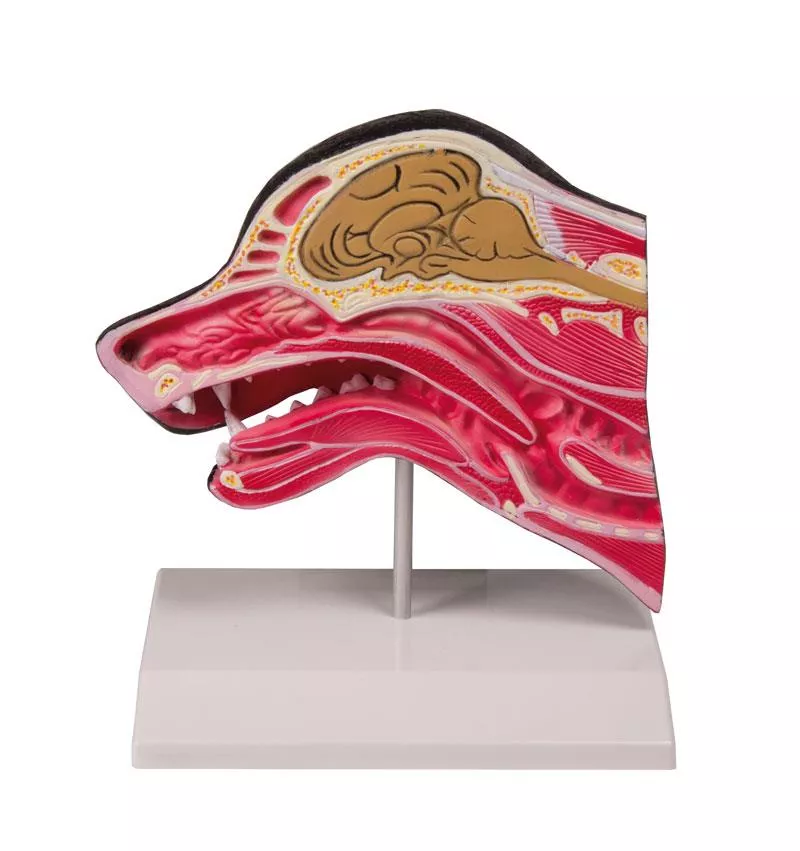
This scaled down model of a median sectioned dog head depicts graphically the anatomy of mouth, tongue as well as throat with trachea and esophagus. Also the olfactory organ, the skull with sinuses and a brain section with cerebellum, brainstem and afterbrain are visible. Supplied on stand.Size without stand: 17 x 15 x 6 cm, Weight: 0.6 kg
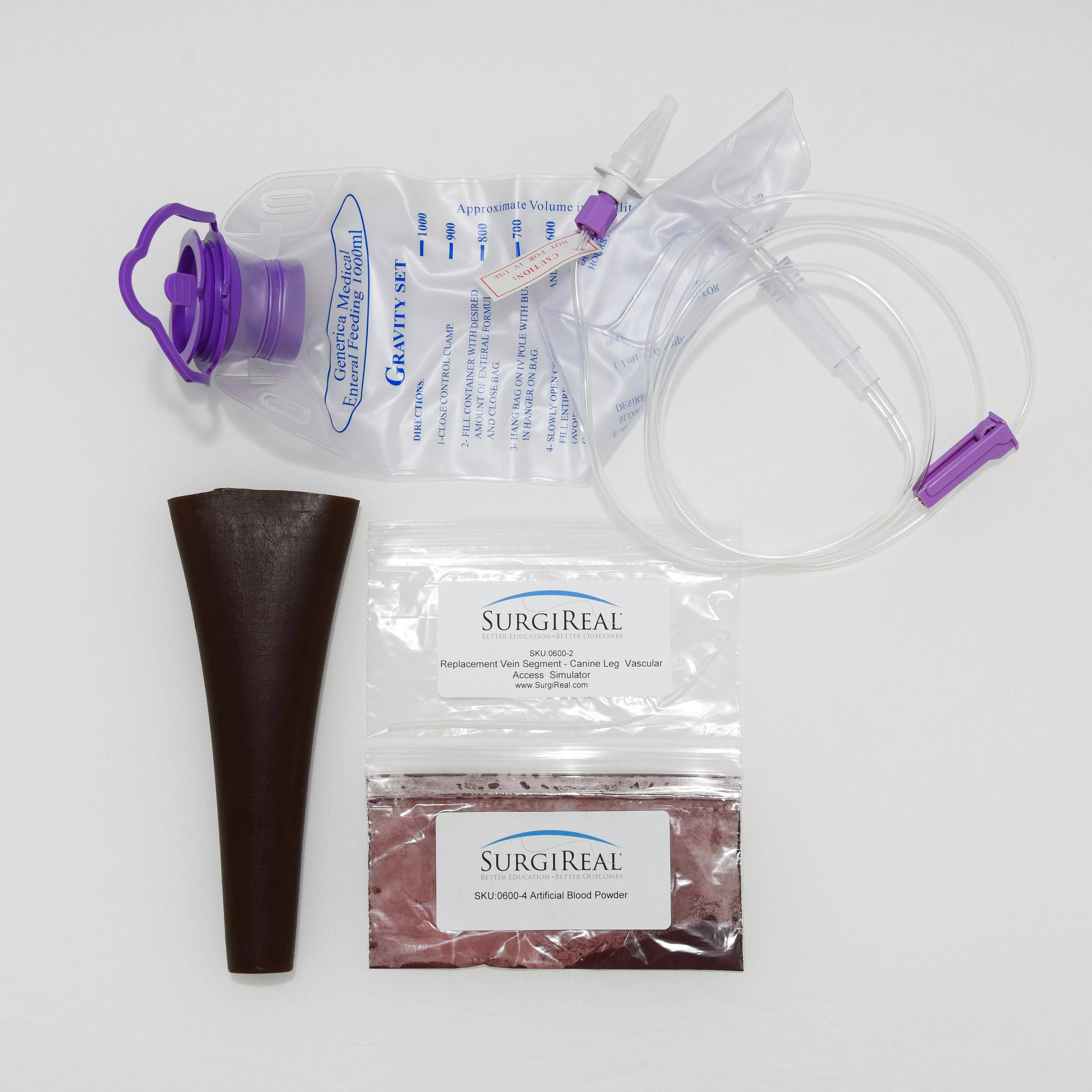
Train on venipuncture and vascular access skills with our Canine Leg Vascular Access Simulator. Made of high quality durable silicones, the Canine Leg is designed specifically for blood collection and catheter insertion of a 22 gauge or smaller. Our simulated cephalic vein is softer than typical latex tubing to enhance realism and effectiveness. This model gives students the ability to practice their vascular access techniques without the need for a partner or a live animal. Included with your Canine Leg Vascular Access Simulator is a 1000mL IV Bag, Artificial Blood Powder, and a Skin as well as instructions for set-up, maintenance, and use of the model
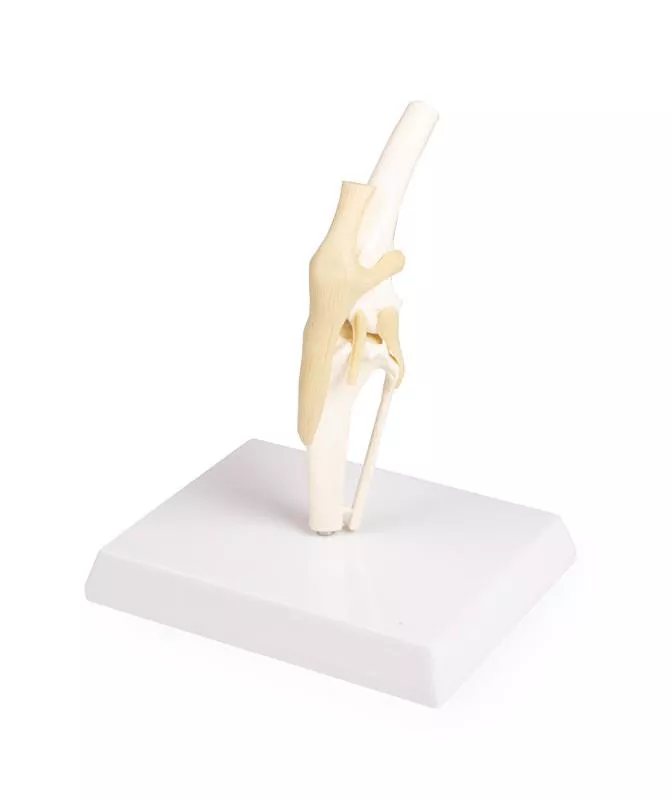
Average size dog knee with femur, fibula, patella and tibia bones; lateral and medial meniscus;anterior and posterior cruciate ligaments; plus more ligaments and tendons.
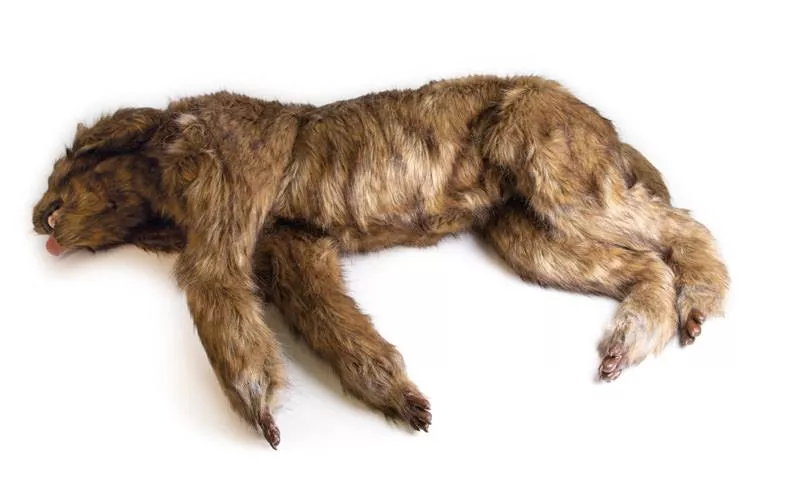
One of the basic skills of a veterinarian is the ability to position the dog correctly. "Rocky" was developed to teach this skill. Positioning is a skill that is needed all the time, whether for spaying or neutering, abdominal surgery, or x-rays. Positioning for spinal stabilization, supine or any other position is possible. "Rocky" provides natural range of motion and also realistic resistance so that practice can be done in a simultation environment before the student works with a real animal. The mobility of shoulders and hips is at 90°, the knees, elbows, ankle and carpal joints have the same mobility.
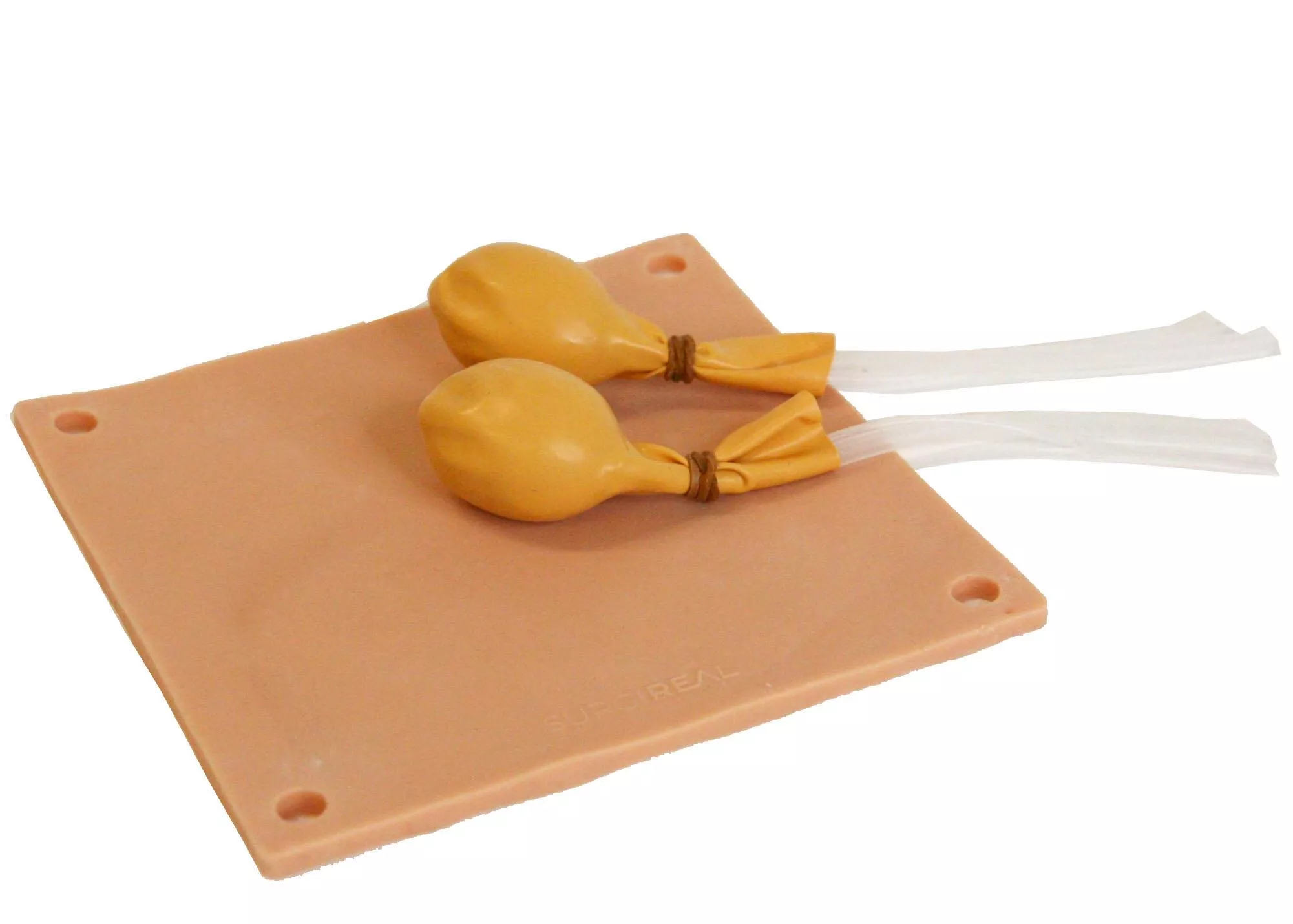
This Canine Neuter Simulator allows students and instructors to practice the canine neuter procedure and, with a small replacement kit, reassemble and practice again!This model includes a replaceable skin and replaceable testes. The Testes each have two simulated vessels to replicate the vas deferens and the vascular supply and are covered with a pouch layer to mimic the tunica albuginea. The reusable base has a raised ridge that represents the penis for palpation purposes and a tube that represents the urethra. When covered with lubricating gel, the testes can be advanced for a pre-scrotal approach. They can then be amputated through either a closed or an open technique. The skin incision can be closed after the procedure.
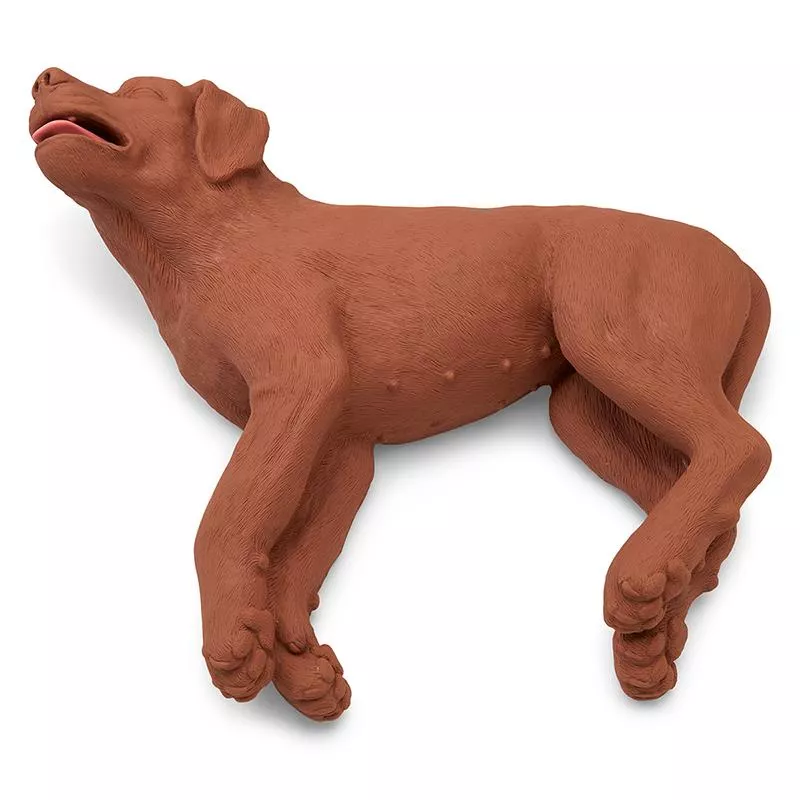
Our canine CPR manikin, is designed for training purposes to teach individuals how to perform cardiopulmonary resuscitation (CPR) techniques on dogs. CooPeR allows trainees to practice proper CPR techniques, including chest compressions and rescue breaths, in a controlled environment. This training possibility ensures that veterinary professionals can respond effectively in emergency situations and potentially save a dog's life.A femoral pulse check is also possible. CooPeR comes with 100pcs replacement airways and a training mat.
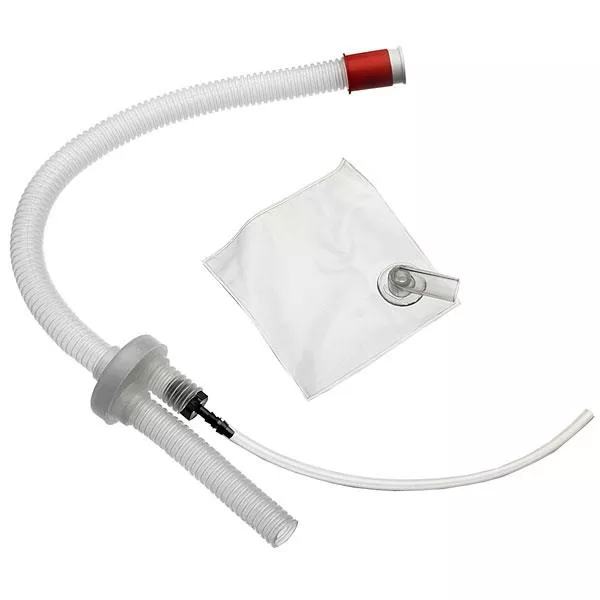
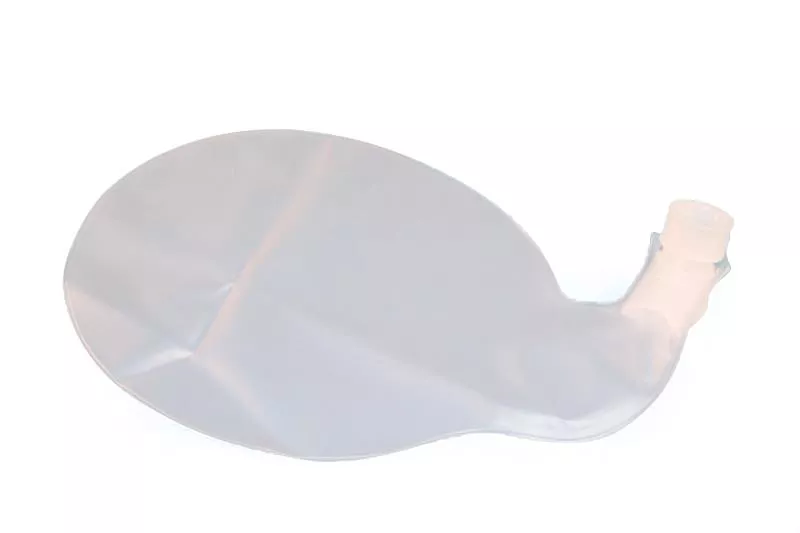
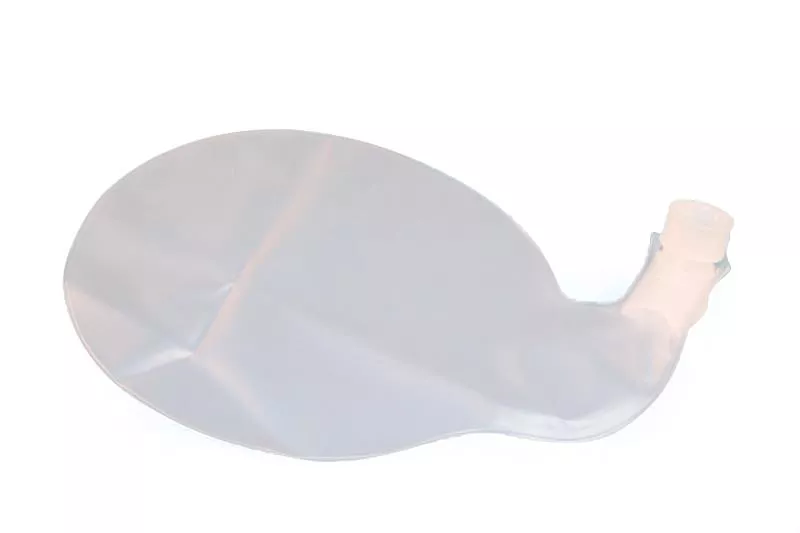
CasPeR the CPR Dog provides training in mouth-to-snout resuscitation with individual-use, disposable airway bags. These economical disposable shield/lung bags eliminate cross contamination between students and the need to disinfect the manikin after every use. This dog manikin can be used to teach proper hand placement for compressions, depth of compressions, airway maintenance, femoral pulse check, and adequate ventilation. The model has no indication function, the teacher has to judge proper exercise. Airways are changed quickly and without tools.Comes with 100 pieces of Replacement Airways.
Advanced Airway Jerry is a full-sized manikin built with a lifelike airway. Clearly presented are the trachea, esophagus and epiglottis. These carefully built organs, coupled with working lungs and an artificial pulse will assist students in endotracheal placement, compressions, and mouth-to-snout resuscitation. It has a disposable lung that can be changed if the manikin is used for mouth-to-snout resuscitation. Advanced Airway Jerry is also designed to splint and bandage. Parts can be cleaned and replaced.
This is a simulation model for perfecting castration surgery in dogs. It is possible to simulate skin incision, fascia incision, ligation of spermatic cord and arteries and veins, removal of testicles and suturing. Both prescrotal and scrotal incision is possible. The weight is about 345g and the size is 11cm in length, 11cm in width and 8cm in height.The model is based on a cartridge where only the contents can be replaced while the body remains the same, resulting in cost savings.
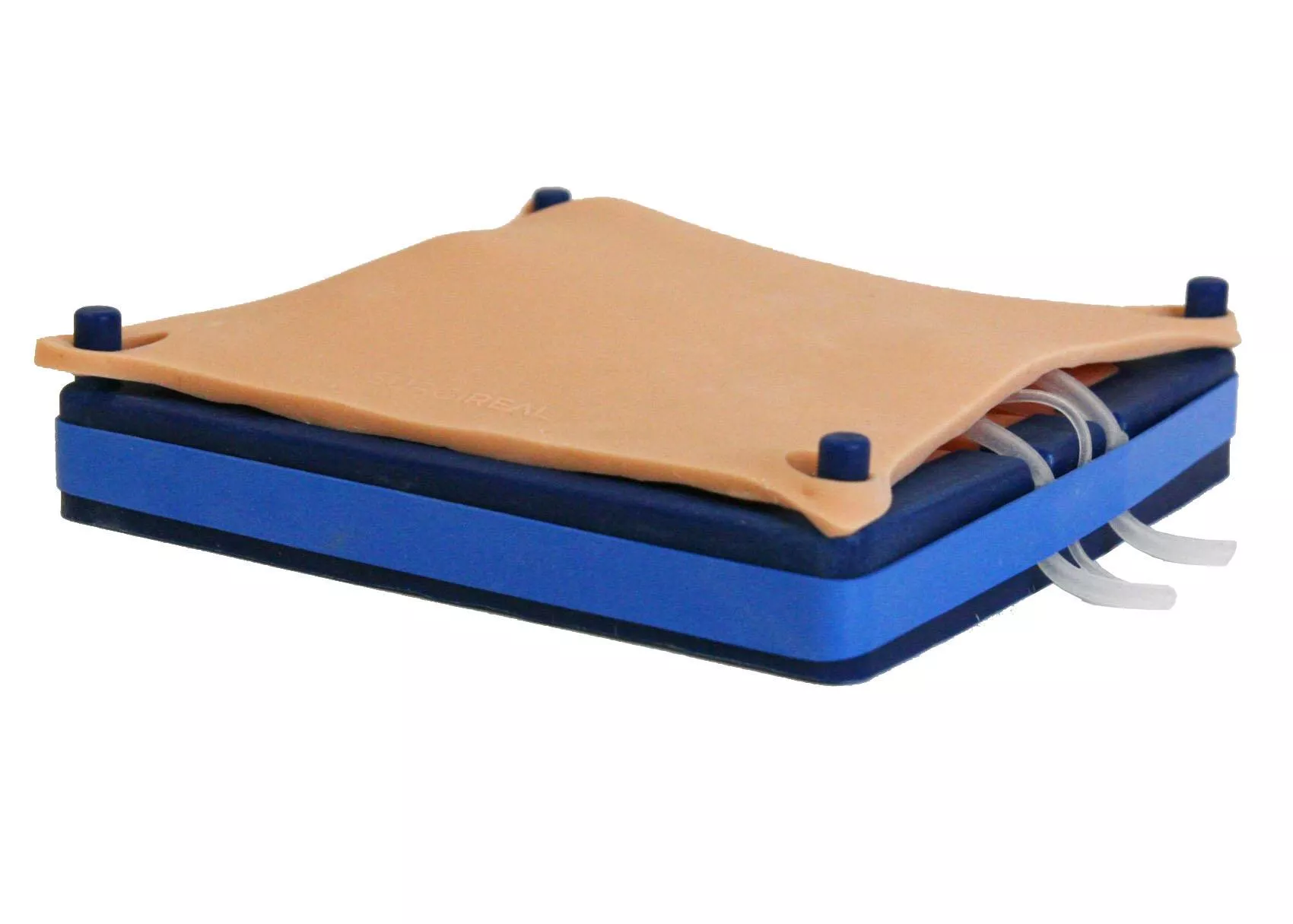
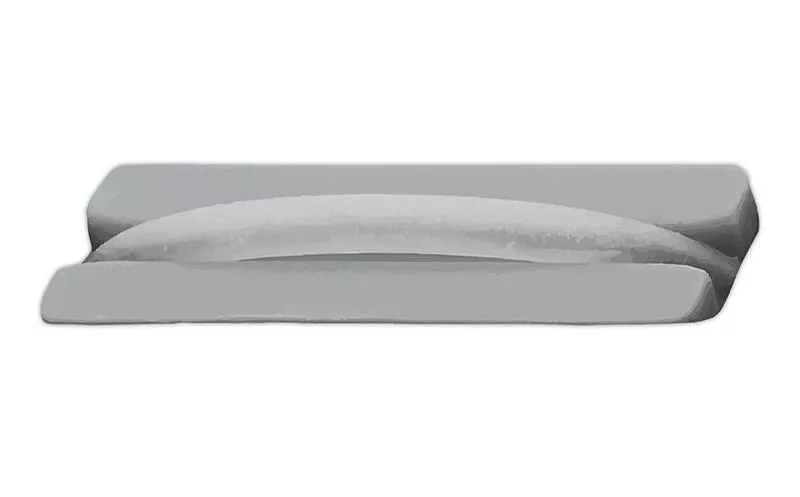
Even animals have nerve cells to indicate pain or discomfort and having an injection administered by a skilled medical person makes a world of difference to a pet. Now you can practice and become more apt at injections with the improved SQ/IM Injection Pad. Practical experience may helpburnish the clinical motor skills, but alas, it is providing better critical care to the injured animal that is, perhaps the ideal. This trainer features an even more realistic pad simulating canine skin and muscle tissue and comes in its own ABS case. Dimensions of the SQ/IM injection pad are: approx. 7.5 x 12.7 x 3.2 cm
Elegantly simple – this model is built for performing proper endotracheal placement. The ET tube either goes correctly into the trachea or wrongly into the esophagus. Improved representations of the trachea, esophagus and epiglottis are all realistically crafted into this dog bust. It also features an airway with working lungs. Because the head is attached to a table clamp with a pivot base, it can be easily manipulated.
Providing veterinary medical students and technicians with a realistic animal tissue analogue to practice the common clinical skill of urogenital rectal exam. A modular clinical physical exam skills model with quickly interchangeable prostate/urethra, rectal, and lymphatic units to accurately assess canine genitourinary rectal exam.Learners can improve their skills and validate competency on arealistic silicone model well before attempting these skills on a real patient, thus improving confidence in technique and reducing negative patient outcomes.6 different urethra & prostate models• Normal female• Female urinary stone• Normal neutered male• Male urinary stone• Assymetric soft hypertrophic prostate• Asymetric rigid hypertrophic prostateKit includes 2 Perineum &Rectum units1 normal smooth rectum1 with polyps
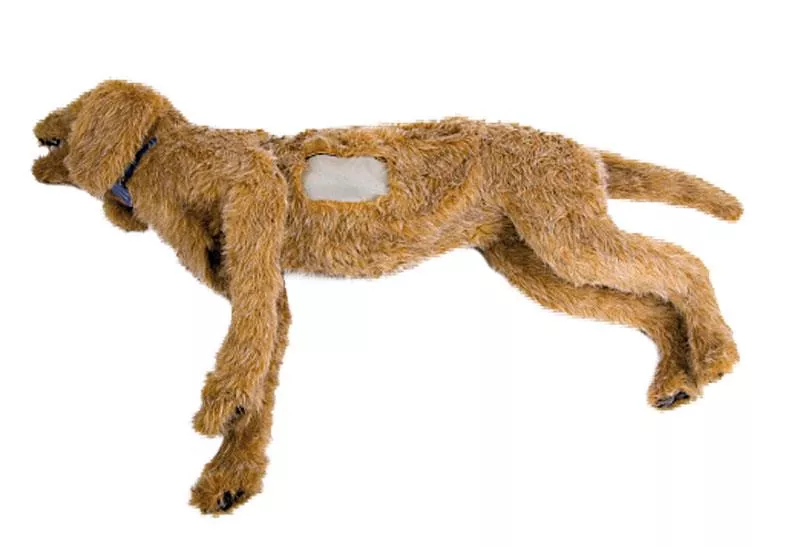
Canine basic life support is the same user friendly trainer as Advanced Sanitary CPR Dog. Students may practice the appropriate rate, pressure and position of cardiac massage and coordinate the respiratory cardiovascular functions. A visible chest rise appear when correct ventilations are applied. Includes soft carrying case, 10 nosepieces, and three lower disposable airway.
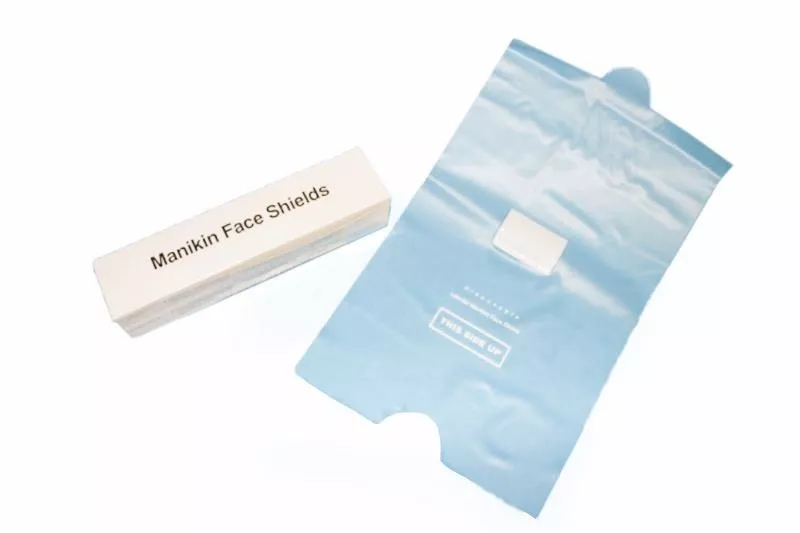
Jerry is your perfect teaching partner for pet-first-aid. The Jerry manikin has working lungs and an artificial pulse built to teach mouth-to-snout resuscitation. It has disposable lungs for hygienic training. The front leg is movable to allow location of compression site for chest compressions. It can splint, thus allowing students to learn bandaging. Accessories include a carrying case with kneeling pad, brush and 5 disposable lungs.Face shields for group training are sold separately.
Critical Care Jerry is engineered as a complete emergency room veterinary training manikin. It has the ability to simulate trauma and features jugular and vascular access. Realistic representations of the trachea, esophagus, and epiglottis are built into the airway. These provide for the training of:- airway management- ventilation- endotracheal intubation- mouth-to-snout resuscitation- external chest compressionsThe manikin comes with working lungs and artificial pulse and features for splinting and bandaging. Included in the carrying case are a kneeling pad, endotracheal tube, syringe, brush, and 5 disposable lungs. Critical Care Jerry also comes with a bonus item – a full K-9 IV trainer in its own carrying case.
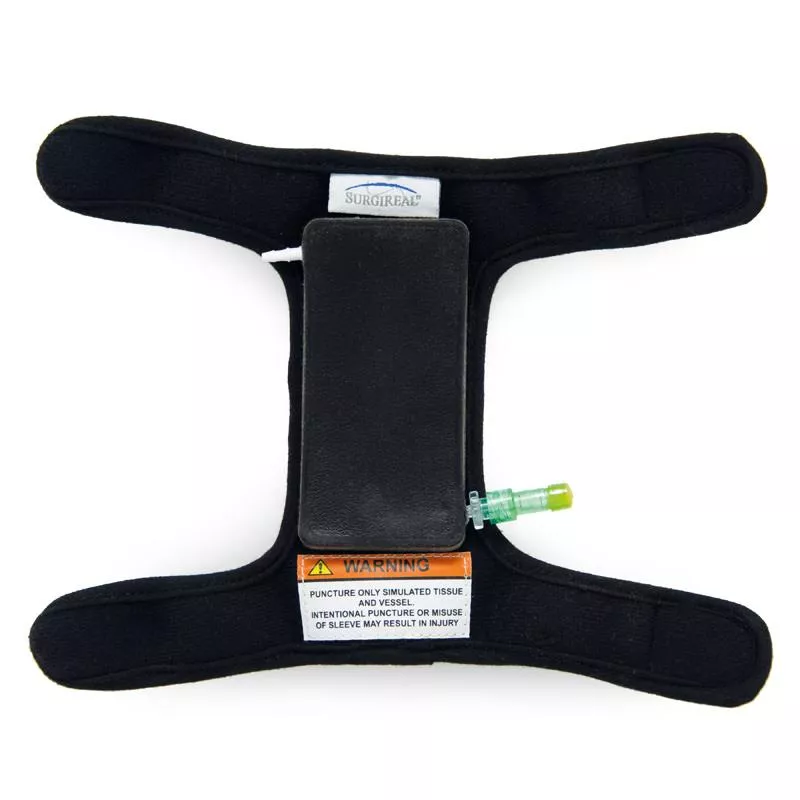
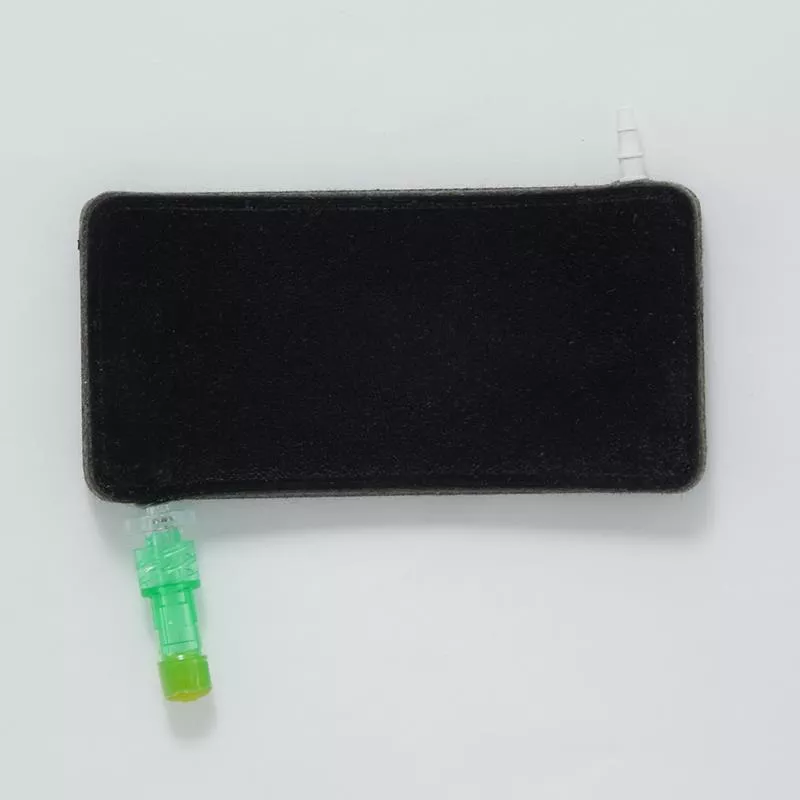
Train on venipuncture and vascular access skills in life-like scenarios with no harm to participants with the Veterinary Vascular Access Sleeve. Designed to fit most dogs, cats, and manikins, the sleeve is secured by the hook and loop tabs above and below Surgireal’s simulated RealFlow tissue pad. Keeping safety as our top priority, all Vascular Access Sleeves are designed with puncture resistant material to make sure the needle won’t make contact with your participant. Training applications include, but are not limited to: Needle Alignment and Vascular Access, Palpating the Vessel, and IV Placement. Included in your package is 1 Sleeve, 1 Attachable Simulated Tissue Pad, 1 Package of Artificial Blood Powder, and 1 IV Bag (1000mL). Build your skills in three steps: Sleeve attached to a manikin, Sleeve attached to stationary animal, Sleeve attached to a moving animal
An added feature to the Critical Care Jerry (VET4020) manikin can now be included – a long oblique fracture of the right femoral leg bone. This custom Critical Care Jerry will allow students to learn how to set and repair common K-9 fractures. The non-removable fracture can also be added to our "Advanced Airway Jerry" (VET4010), "CPR Jerry" (VET4000) manikins.
Specifically built to teach the drawing of blood and performing of injections, our Canine IV Trainer is the perfect pedagogical tool for this purpose. It is realistically sculpted as the hind limb of a dog. This simple product will help students become accustomed to these tactile procedures.
This otoscopy simulator allows you to practise performing ear examinations on dogs in a realistic manner.Product features:- Realistic replica of the ear canalThe external ear canal up to the eardrum is anatomically modelled to be true to life – based on CT data.- Two ear canal variantsThe model offers a healthy and a narrowed ear canal to simulate different examination situations.- Colour-coded eardrumBoth ear canals have a colour-coded eardrum for easy success monitoring during training.- Opening for artificial cerumenThere is an opening in the healthy ear canal through which artificial cerumen can be introduced into the model.- Dog head made of soft silicone The entire dog head is made of soft silicone and offers a realistic feel. It is removable and mounted on a stand.- Versatile examination positionsThe stand allows the head to be fixed in both a frontal and lateral position.- Stable attachment with table clampThe stand can be securely fixed to a table using the integrated table clamp.
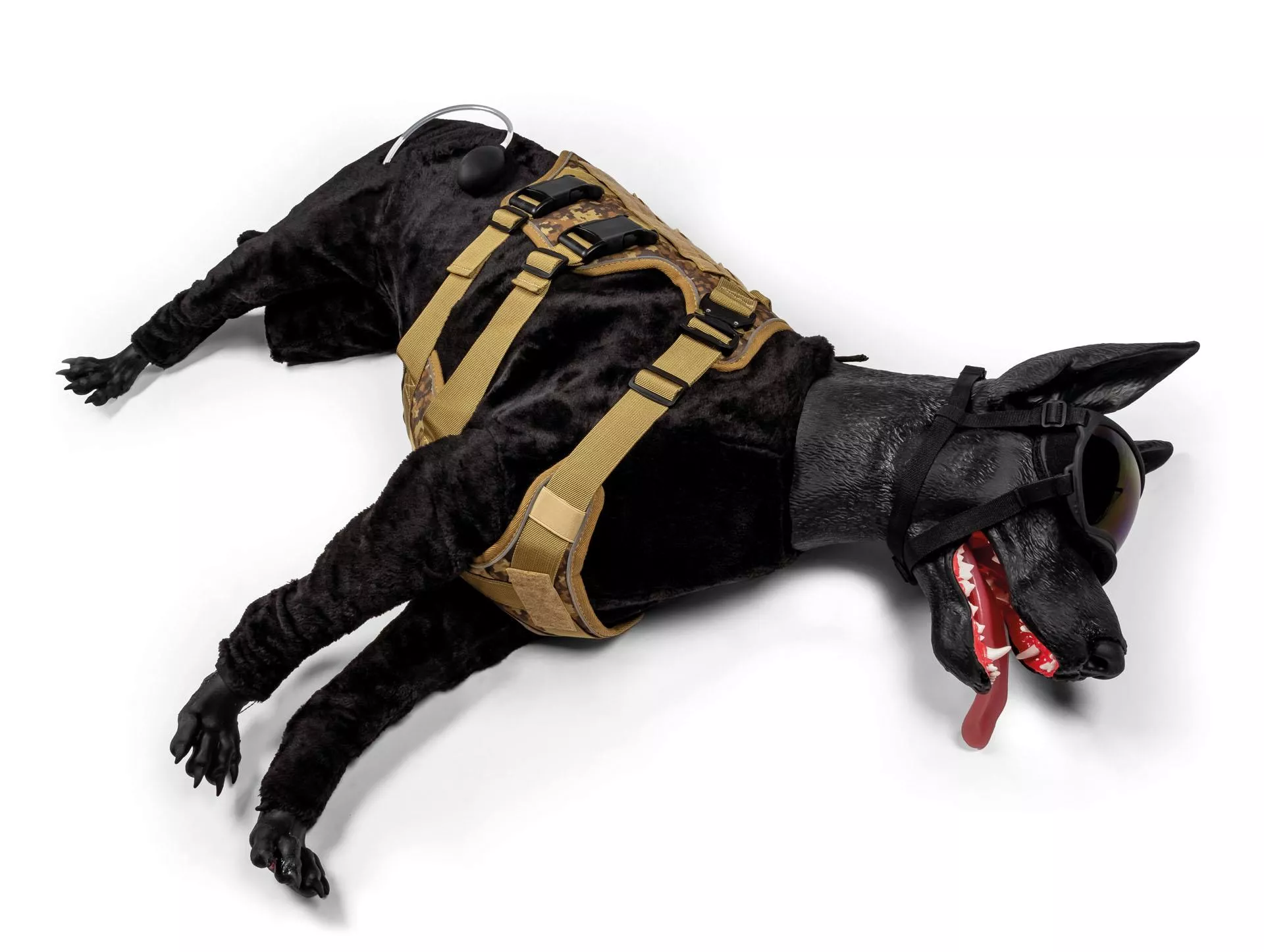
The "Marshal" military working dog simulator represents a Belgian Malinois and corresponds in size and weight (30 kg) to a real dog and has movable joints.Military working dogs are used in many areas by the military and police and, like their human comrades, can be injured in the line of duty. Marshal helps train vets, K9 Combat First Responders and dog handlers.With Marshal you can present a variety of realistic scenarios during training. Made of silicone with internal skeleton. Body cover made of robust material so that Marshal can be exposed to adverse environmental influences such as moisture and dirt without being damaged.Marshal offers the following features:• Handling and rescue techniques• Movable joints• Manual femoral pulse control• Moveable head• Flexible tongue• Basic cardiopulmonary resuscitation (CPR) techniques (without chest lift)• Endotracheal intubation (without chest lift)• Open nostrils• Movable jaw for muzzle training / dog bite training• Lacerated paw for bandage training• Bullet wound for wound packing – Stop the bleed• Palpable ribs• Basic needle decompression/thoracocentesis technique (without airflow)• Exploded bleeding stump for tourniquet training (non-exchangeable)• 2-layer exchangeable fur (with robust zippers and sewing)• Compartment with Bluetooth speaker (different barking, whining and crying sounds available)• Various barking, whimpering and howling sounds availableDog vest and goggles not included.
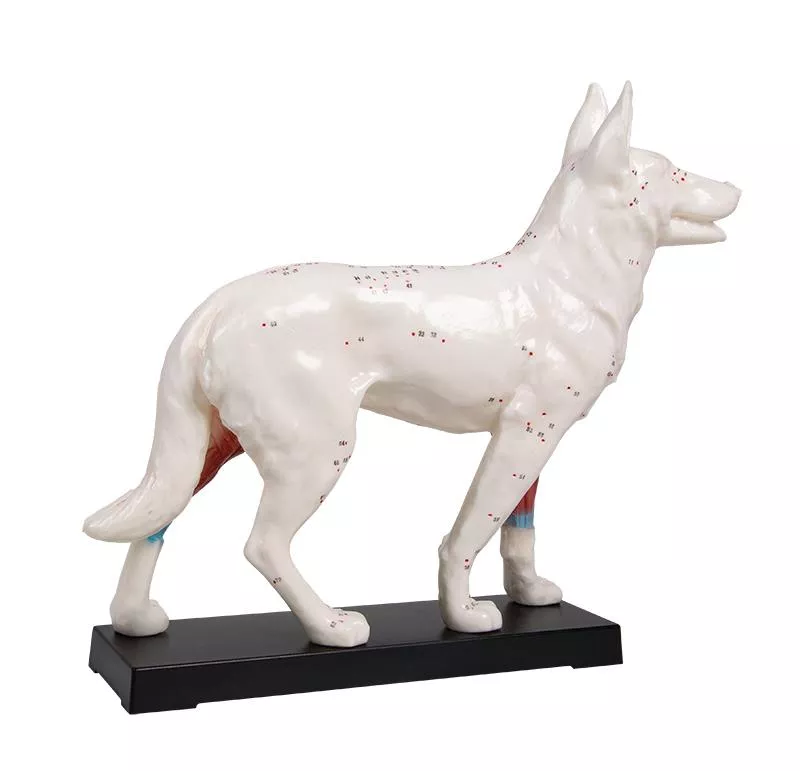
A model of a female German Shepherd Dog made on a scale of about 2/3 of its natural dimensions. The model can be divided in the sagittal plane into two halves. One side of the model shows the animal's muscles in detail, while the other shows the hair. The model is assembled on a base with wheels. The model can be divided into a total of 11 parts:- lung- stomach (2 parts)- heart (2 parts)- left forelimb- tail- liver- intestines- 1 half (muscle)- 1 half (outer part / hair)
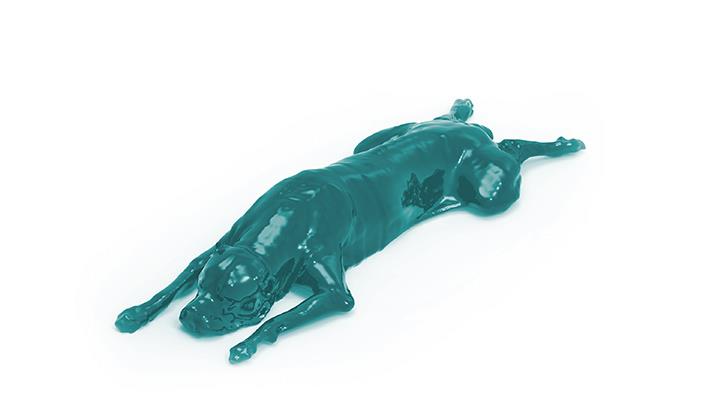
The phantom provides a realistic simulation of a dog with no contrast agent. Bones and soft tissue are displayed authentically with realistic CT values for all tissues at 120 kVp tube voltage in the CT. Air spaces are filled with a cellulose polymer composite with about -80 Hounsfield units.If the phantom is to be used primarily with other tube voltages (e.g. 100 kVp), the calibration of the CT values can be adjusted accordingly if required. The phantom also provides realistic tissue contrasts in X-ray imaging.Size: 26x15x80cm
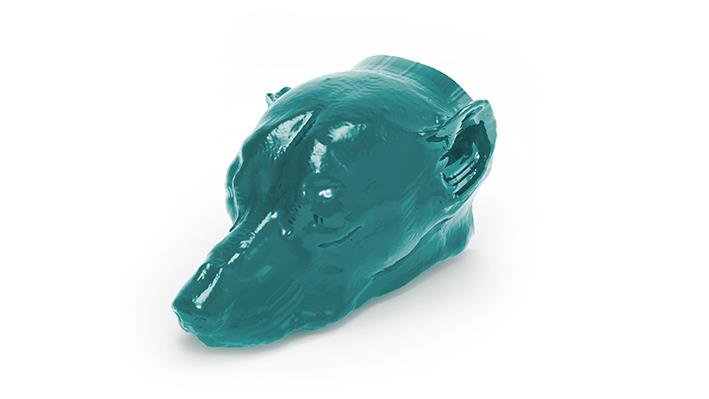
The phantom provides a realistic simulation of a dog head with no contrast agent. Bones and soft tissue are displayed authentically with realistic CT values for all tissues at 120 kVp tube voltage in the CT. Air spaces are filled with a cellulose polymer composite with about -80 Hounsfield units.If the phantom is to be used primarily with other tube voltages (e.g. 100 kVp), the calibration of the CT values can be adjusted accordingly if required. The phantom also provides realistic tissue contrasts in X-ray imagingSize: 14x13x22cm
The phantom provides a realistic simulation of a dog abdomen with no contrast agent. Bones and soft tissue are displayed authentically with realistic CT values for all tissues at 120 kVp tube voltage in the CT. Air spaces are filled with a cellulose polymer composite with about -80 Hounsfield units.If the phantom is to be used primarily with other tube voltages (e.g. 100 kVp), the calibration of the CT values can be adjusted accordingly if required. The phantom also provides realistic tissue contrasts in X-ray imaging.Size: 19x18x20cm
The phantom provides a realistic simulation of a dog pelvis with no contrast agent. Bones and soft tissue are displayed authentically with realistic CT values for all tissues at 120 kVp tube voltage in the CT. Air spaces are filled with a cellulose polymer composite with about -80 Hounsfield units.If the phantom is to be used primarily with other tube voltages (e.g. 100 kVp), the calibration of the CT values can be adjusted accordingly if required. The phantom also provides realistic tissue contrasts in X-ray imaging.
Properly positioning an animal is a skill that makes a betterrounded veterinarian. Emily is built exactly for this purpose. Students learn how to position dogs for abdominal surgery, x-ray, spay and neuter, advanced spinal stabilization, spinal recumbency and more. It has natural movements and offers resistance; allowing you to safely practice techniques before working on live animals. Fully articulated, Emily has shoulders and hip joints that rotate realistically, with 90° flexibility. Also with 90° range of motion are the knees, elbows, and carpal and hock joints. This product comes complete with carrying case, kneeling pad and brush.
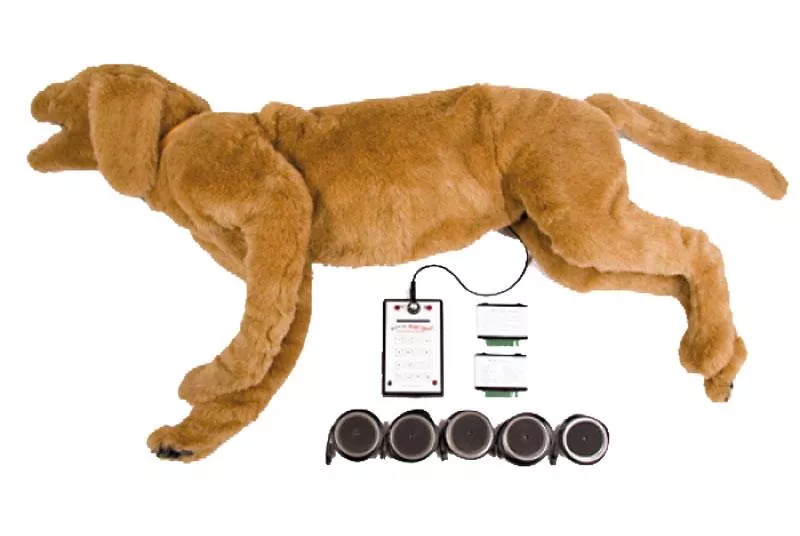
The highlight of this breath/heart sound (BHS) simulator is to allow students to perform auscultation, offering them opportunities to hear the different sounds with a stethoscope. Instructors can chose various sound scenarios for the classroom. This product uses plug-in modules, with data collated from actual patients. Five speakers are installed directly in our Goldie canine BHS manikin. The BHS unit also has two lights that illuminate during expiration. It is powered by a 9V battery and comes with a limited warranty.Each Goldie comes with a tutor MS, one Breath Sound module, one Heart Sound module, five installed custom speakers and a 9V battery.Breath Sound module includes: Tracheal, Vesicular, Bronchial-Vesicular, Wheezes, Monophonic Wheeze, Pleural Friction Rub, Stridor, Cavernous, Crackles, Pulmonary Edema and Puppy.Heart Sound module includes:Atrial Fib, Mitral Regurgitation, Mitral Valve Click, Normal Heartbeat, PDA, Pulmoic Stenosis, Respiratory Crackles and MR Murmurs, SAS, VPC and VSD.
Our carefully crafted canine Thoracentesis manikin will help practitioners in performing chest tube placements, and simulating emergency trauma by aspirating air and fluid from the thoracic cavity.Convenient anatomical landmarks are placed at key points for ease of use and quick learning.
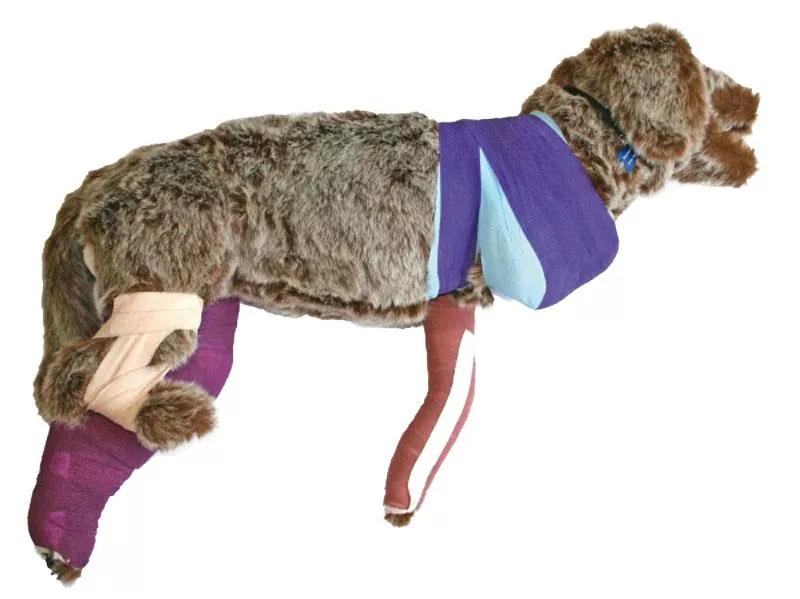
Painstakingly constructed, Rufus Bandaging Manikin is an all-rounded tool to the critical care student. This full-sized model is ideal for practical lab skills and practicing advanced bandaging techniques. Apart from administering first aid, the manikin can be used to practice mouth-to-snout resuscitation. The left knee, elbow, carpal and hock joints are capable of 90° movements. Shoulder and hip joints also have the flexibility of 90° rotation. With the new features, users can now also practice the Velpeau Sling on the right forelimb and the Ehmer Sling on the right hind leg.In short, these are just some of the bandaging techniques users can practice on Rufus:- 90-90- flexion sling- Carpal sling- Robert Jones bandage- Velpeau sling- Ehmer sling- Limb bandage using stirrups- Trunk bandage- Tail bandage- Padded hip bandage- Head and Ear bandage- CastsRufus comes with five disposable lungs, a brush, and carrying case with kneeling pad.
The simulator is designed for educational and training purposes in the correct technique of catheterization of a male dog. It realistically replicates the anatomical structure of the male canine urogenital tract, including the penis, urethra, os penis, and bladder.
In addition, the simulator is equipped with a realstic paw that allows users to practice bandaging.
The model presents the pelvic region of a medium-sized male dog in a lateral position, with one pelvic limb and tail movable to simulate clinical positioning during the procedure.
The simulator includes a replaceable genital insert with retractable silicone prepuce, allowing realistic training in catheter insertion through the penile urethra. A built-in fluid system enables urine flow simulation upon correct catheter placement.
Scope of delivery:
- Silicone body with embedded anatomical structures
- Replaceable genital insert
- Artificial bladder
- Tubing system for fluid flow
Dimensions:
39 × 41,5 × 14 cm
A dog's paw is stressed with every step and can be easily injured by broken glass, nails, thorns or other sharp objects.With our artificial canine paw you can practice the correct application of bandages. The paw can be used to simulate a sitting or lying position. Separate toes allow for the application of cotton.- flexible joint- sitting or lying position can be simulated- separate toes- Suction cups under the stand give a safe stand.
Replacement consumables for the Canine Vascular Access Simulator include: 1 Black or Brown Skin, 1 Cephalic Vein, 1 Package of Artificial Blood Powder, 1 1000mL IV Bag
Replacement structural core assembly for the Canine Vascular Access Simulator includes the brass tube, silicone tubing, and appropriate connector for each end of the tube.
Replacement skin for the Canine Vascular Access Simulator. To get the most use out of your skin, refer to the storage and care instructions included with your original Canine Leg Vascular Access Simulator.
A new level of realism with our veterinary training models!
The training of future veterinarians and therapists reaches a new level of realism with our veterinary training models and simulators. Our advanced anatomical models provide a hands-on training experience that optimally prepares future veterinarians and therapists for the challenges of veterinary medicine.
The medical simulators enable intensive training in various veterinary disciplines, from diagnostic procedures to surgical interventions. The realistic simulation of anatomical structures and physiological processes allows students to develop their skills to the highest level.
Our veterinary training models and simulators not only offer a realistic practical experience, but also the opportunity to simulate complex medical scenarios. Trainee vets can improve their diagnostic and therapeutic skills without being exposed to real animals.
Invest in the future of animal health by relying on our veterinary training models and simulators. We offer state-of-the-art technologies and high-quality materials to create a hands-on training environment that best prepares future veterinarians for their responsible role. Rely on our experience and expertise to ensure excellent training quality in veterinary medicine.