




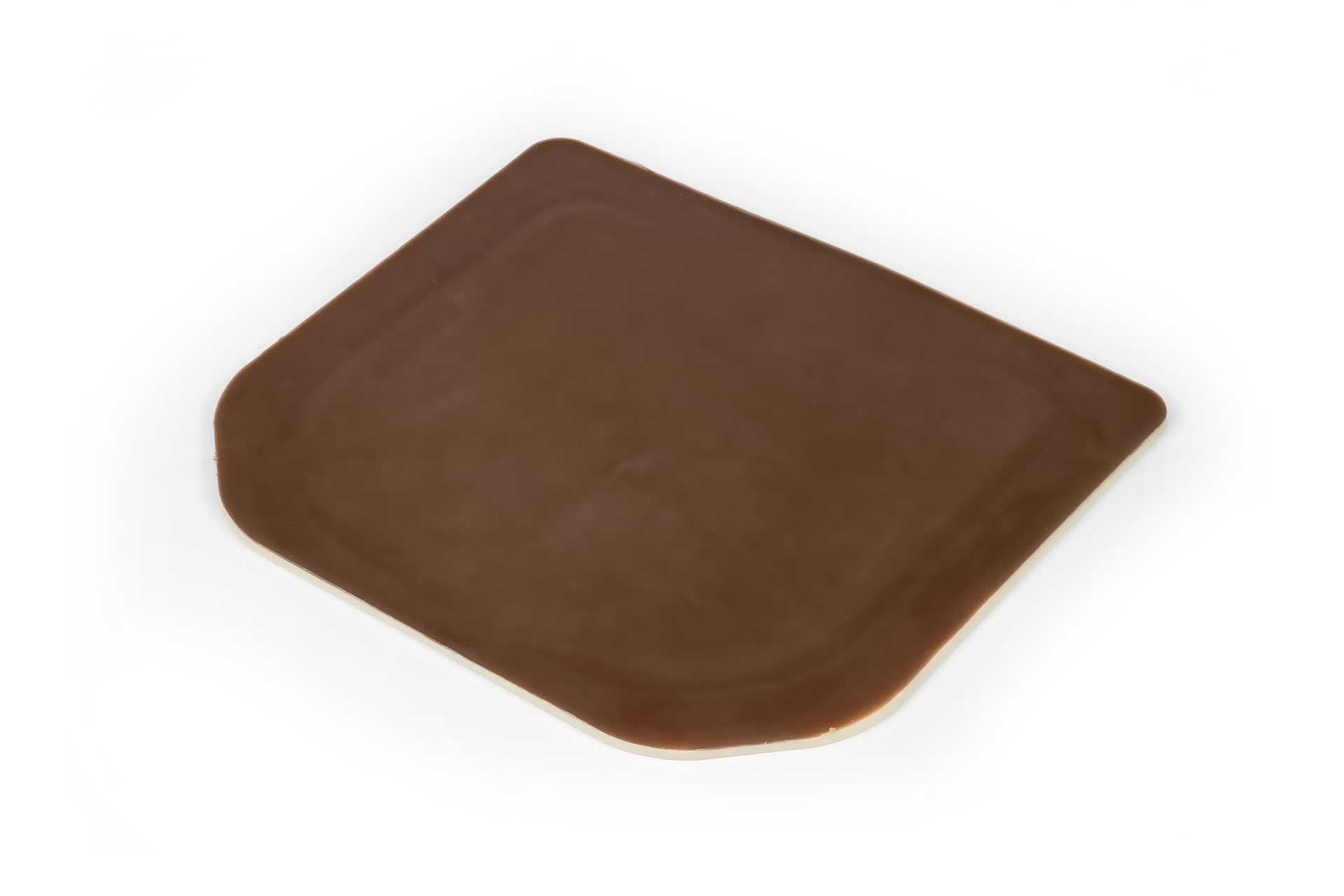
Product information "Replacement skin for a horse castration simulator"
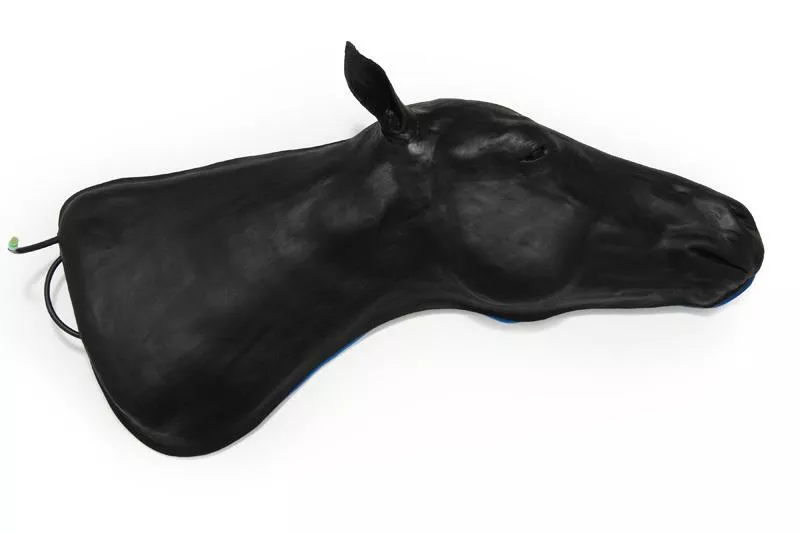
Replacement skin for a horse castration simulator, article VET4810

Contents:
- 1 Replacement skin

0 of 0 reviews

Leave a review!

Share your experiences with other customers.


Erler-Zimmer

Erler-Zimmer Medical GmbH
Hauptstrasse 27
77886 Lauf
Germany
info@erler-zimmer.de


Achtung! Medizinisches Ausbildungsmaterial, kein Spielzeug. Nicht geeignet für Personen unter 14 Jahren.

Attention! Medical training material, not a toy. Not suitable for persons under 14 years of age.


Other customers also bought

Tourniquet Trainer "Amputated Andy"
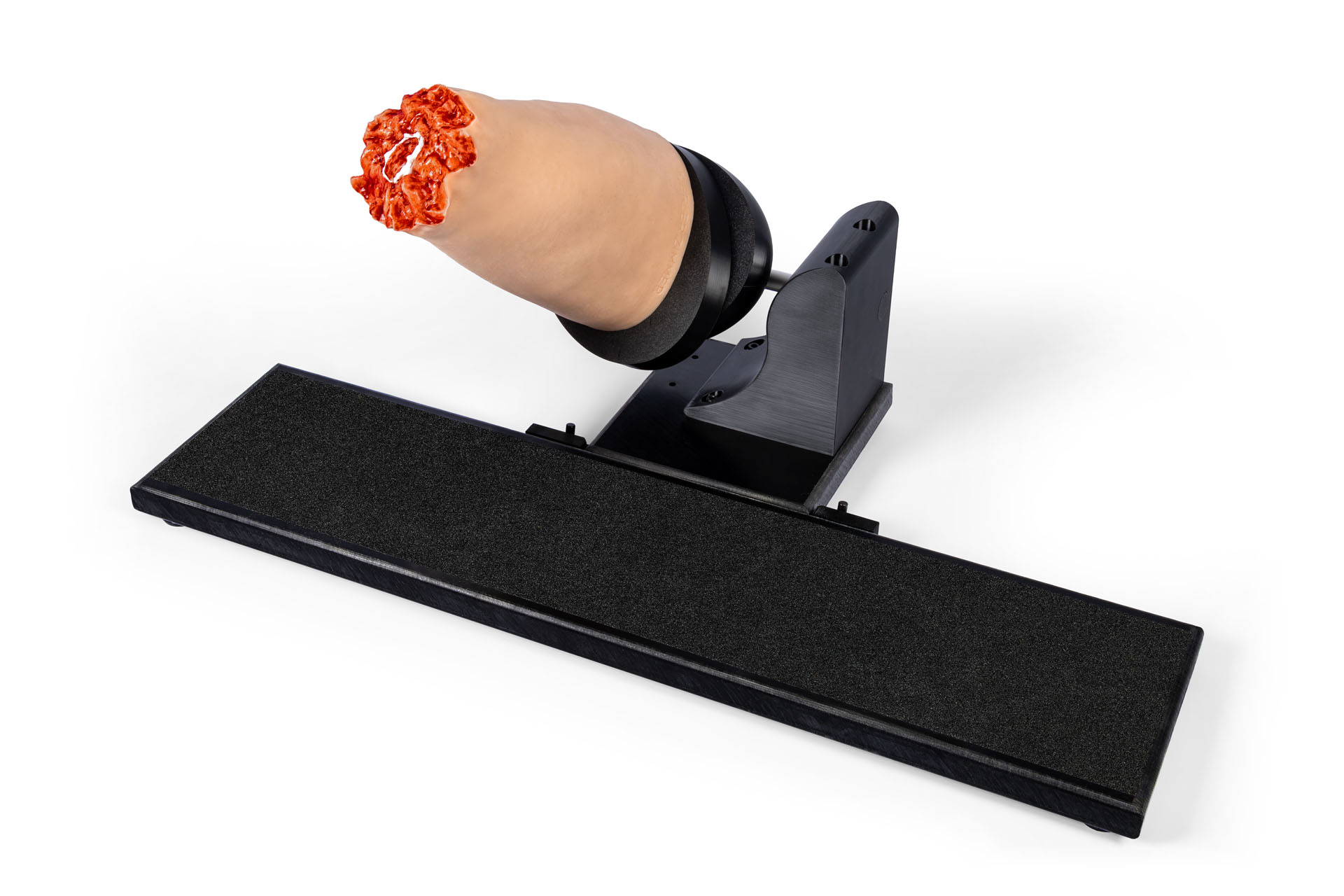
The Tourniquet Trainer “Amputated Andy” is the first truly lifelike training model that allows users to practice applying a tourniquet in a realistic position, with realistic mobility, and, above all, with realistic bleeding patterns. The amputation stump bleeds not only from the artery and vein, but also from the surrounding tissue. When the tourniquet is closed, the capillary bleeding stops first, and only when sufficient compression is applied is the arterial bleeding stopped. The specially developed holder allows for natural mobility of the leg stump and simulates a lifelike situation, so that the leg must be raised to apply the tourniquet. An implied hip allows the “high-and-tight” principle to be explained. The tripod design allows the trainer to be used in the classroom on a table for basic instruction, in a training hall for group training, and even in action scenarios under outdoor conditions. The innovative fixation of the trainer by means of a knee plate makes the trainer independent of the ground and always provides excellent fixation. Specially developed for the army, special forces, police, and disaster control, the trainer is also an ideal training aid for emergency medical training and trauma care.

€1,604.12*
Equine Castration Surgical Simulator
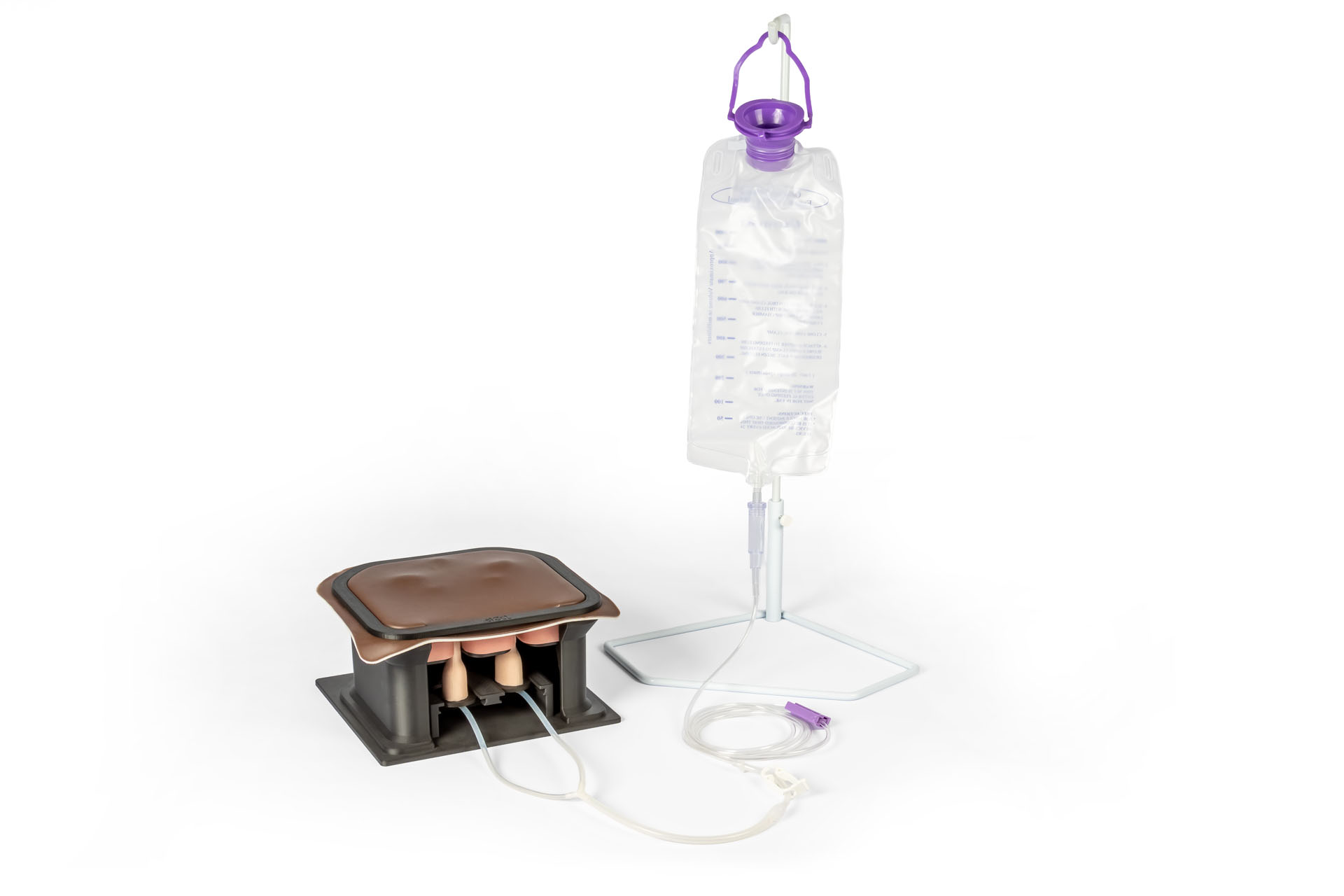
The Equine Castration Surgical Simulator is a highly realistic training model designed to teach and assess the complete surgical procedure of closed equine castration in a safe, repeatable, and controlled environment. The model features consumable fluid-filled silicone testicle and spermatic cord modules, a tissue-analogue housing, and a gravity-fed simulated blood system to validate hemostasis. Veterinary students, technicians, and surgeons can practice every step — from skin incision to ligature application and emasculator use — while receiving immediate feedback on surgical technique. The quick-deploy retention system allows for rapid module changes between users, enabling efficient training for large groups Contents: - Castration simulator for horses - Blood collection bag - Stand for blood collection bag

€1,785.00*
Replacement testicles for castration simulator for horses, 1 pair
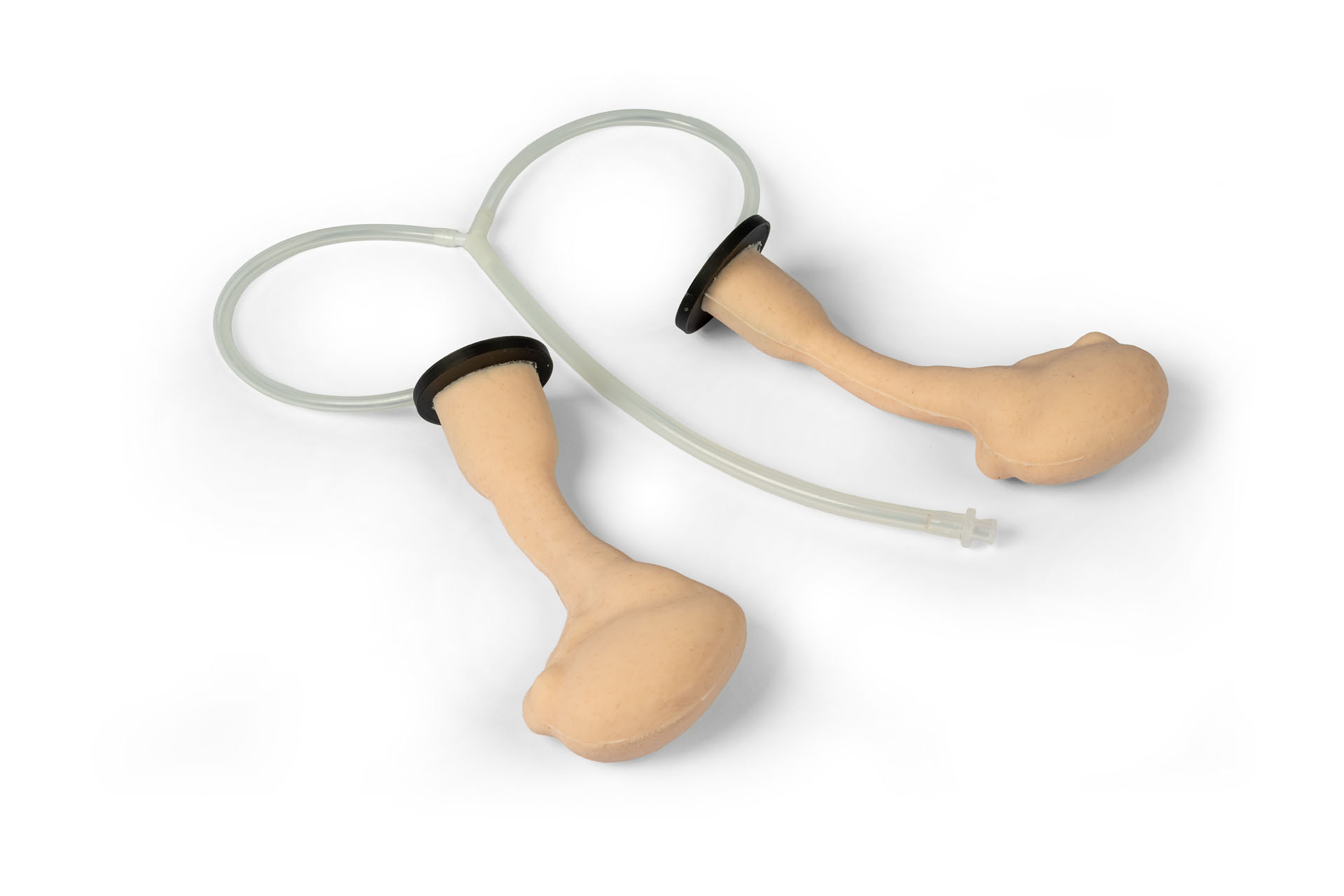
Replacement testicles for castration simulator for horses, article VET4810 Contents: - 1 pair Replacement testicles

€279.65*
Equine Simulator 1.0
? When looking to practice more advanced procedures for equine care, our Equine Simulator 1.0 provides students with many training opportunities. This comprehensive model will allow you to train on the following procedures: Intra-muscular Injections, Nasolacrimal Duct Flush, Placement of Subpalpebral Lavage System, Eye Nerve Blocks – Auriculopalpebral and Supraorbital Nerve, Teethe Nerve Blocks – Mental, Maxillary, and Infraorbital Nerve, Jugular Blood Draw and Catheter Insertion, Deep Facial Blood Draw, Transverse Facial Artery Blood Draw and Catheter Insertion. Included with your Equine Vascular Access Simulator is a 1000mL IV Bag and Artificial Blood Powder as well as instructions for set-up, maintenance, and use of the model.

€5,996.41*
Horse sagittal half-head
This horse half-head shows a superficial dissection on the right lateral aspect and a middle sagittal section on the medial aspect.On the lateral side the skin has been removed, except on the nostrils, lips and external ear. In the rostral part of the dissection are the muscles of facial mimicry, the levator nasolabialis, canine, levator labii superioris, zygomaticus, buccinator (buccal portion) and depressor labii inferioris muscles. The caudal part of the dissection is occupied by the masseteric muscle covered by the masseteric fascia from the facial crest of the maxillary bone. This muscle presents on the surface the course of the dorsal and ventral buccal branches of the facial nerve, which end rostrally as buccolabial branches. In the notch of the facial vessels, the facial artery and vein are located together with the parotid duct. In the dorsal and caudal part of the masseter muscle, the transverse facial artery and vein are located together with the auriculotemporal nerve. The parotid-auricular muscle, the parotid gland, and the maxillary and linguofacial veins are located in the cervicofacial transit.In the middle sagittal section, the nasal cavity is occupied by the ventral nasal concha, dorsal nasal concha, and middle nasal concha, separated by the dorsal, middle, and ventral nasal meatuses. The perpendicular lamina of the ethmoid bone is located in the caudal area of the nasal cavity. This bone is the rostral limit of the cerebral fossa. The cerebellar fossa is caudal to the anterior one. The vomer bone establishes the choanae as transit to the nasopharynx where the pharyngeal opening of the auditory tube is located. The oral cavity is limited dorsally by the hard palate, which continues caudally as the soft palate. The sagittal section of the tongue shows the proper lingual muscle as well as the genioglossus and genihyoid muscles. The oropharynx is occupied by the root of the tongue and the soft palate. The epiglottis, arytenoid cartilage, and cricoid cartilage limit the laryngeal cavity with the lateral ventricle, vocal fold, and infraglottic cavity. The laryngopharynx is occupied by the esophageal vestibule. The esophagus is located dorsal to the trachea and ventral to the long cervical and long capitis muscles. The mandibular lymph nodes are in the intermandibular space.

€5,097.96*
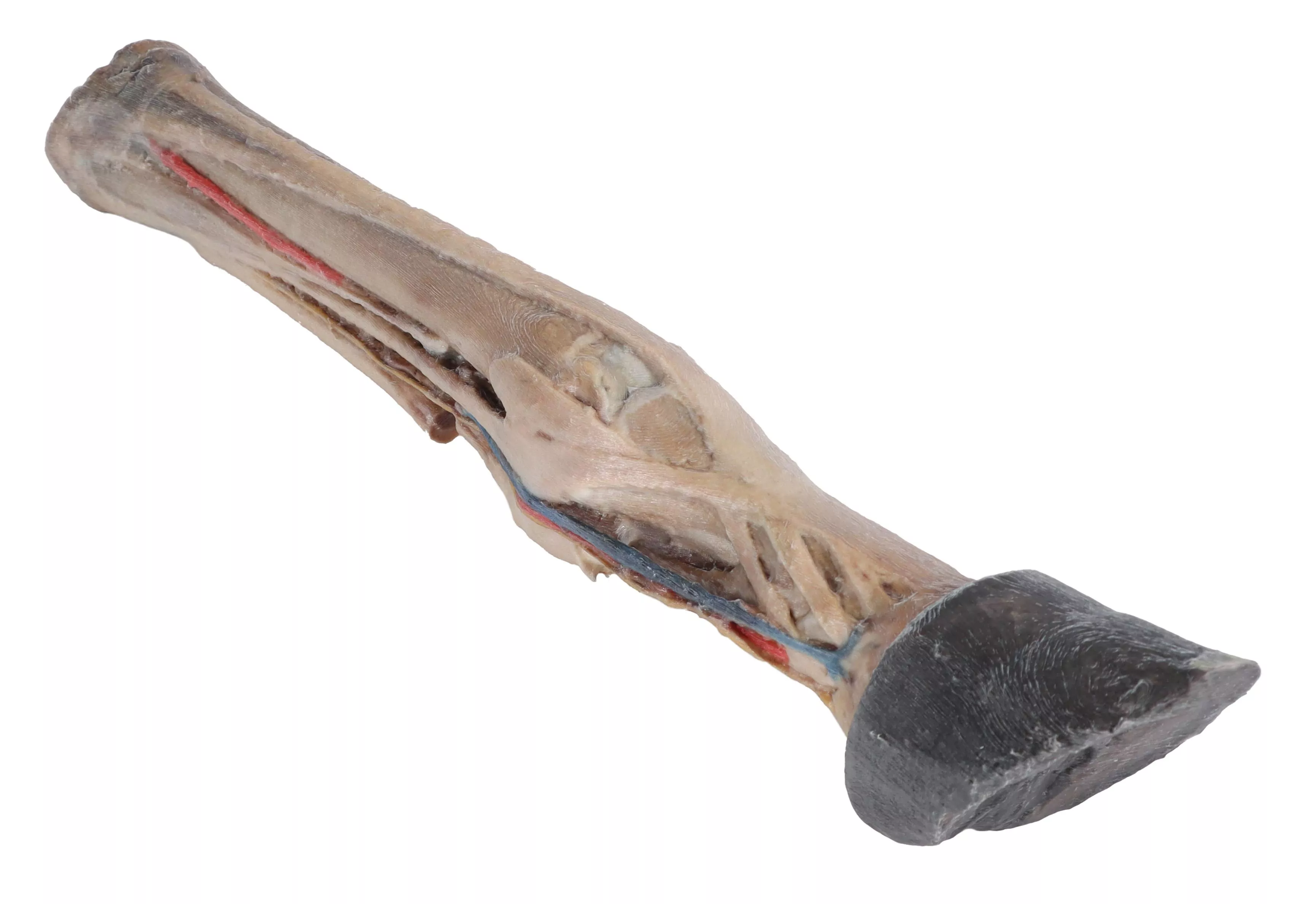
Horse foot - tendons, ligaments, vessels and nerves - 1/3 life-size
This dissected right-foot specimen displays a mixture of the vascular, nervous, ligaments and tendons. The plantar digital neurovascular bundles both sides of the flexor tendons. The two digital extensor tendons are identified in the proximal dorsal aspect of the specimen. Metatarsophalangeal and proximal interphalangeal joints show all ligaments. Between the plantar aspect of the metatarsal bones and the digital tendon flexors is the interosseus ligament with its sesamoid and extensor branches.

€2,258.62*
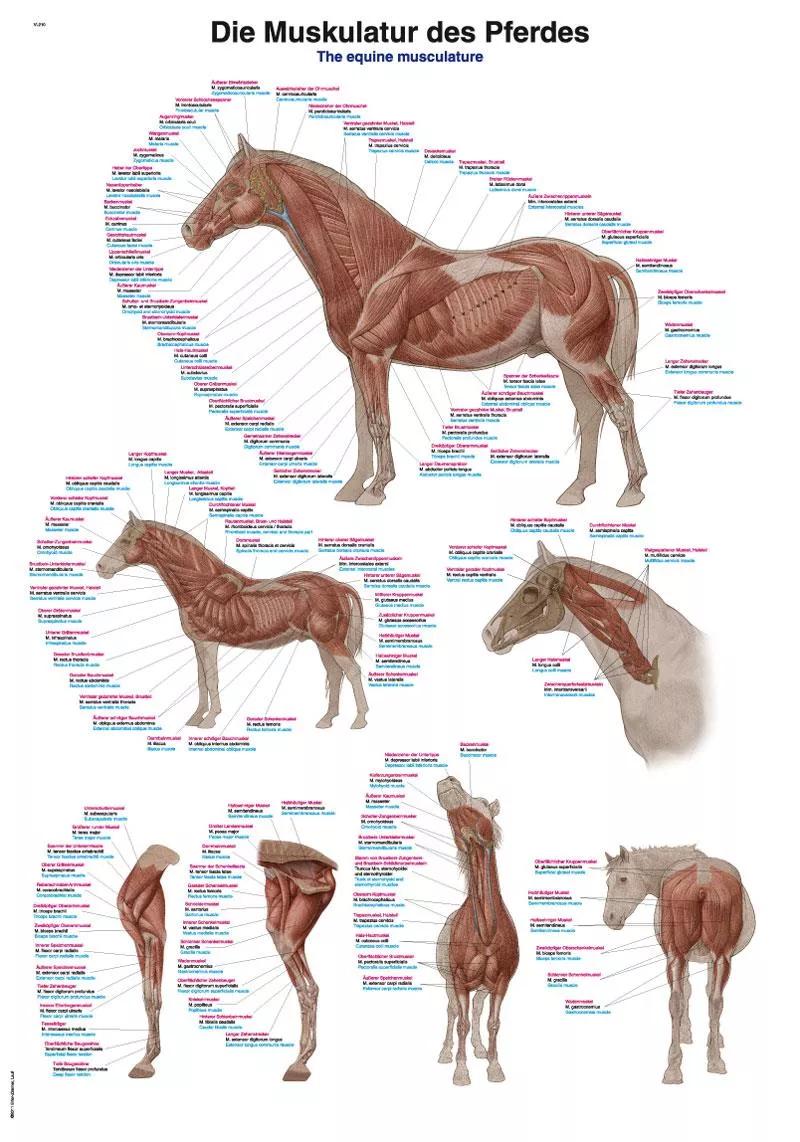
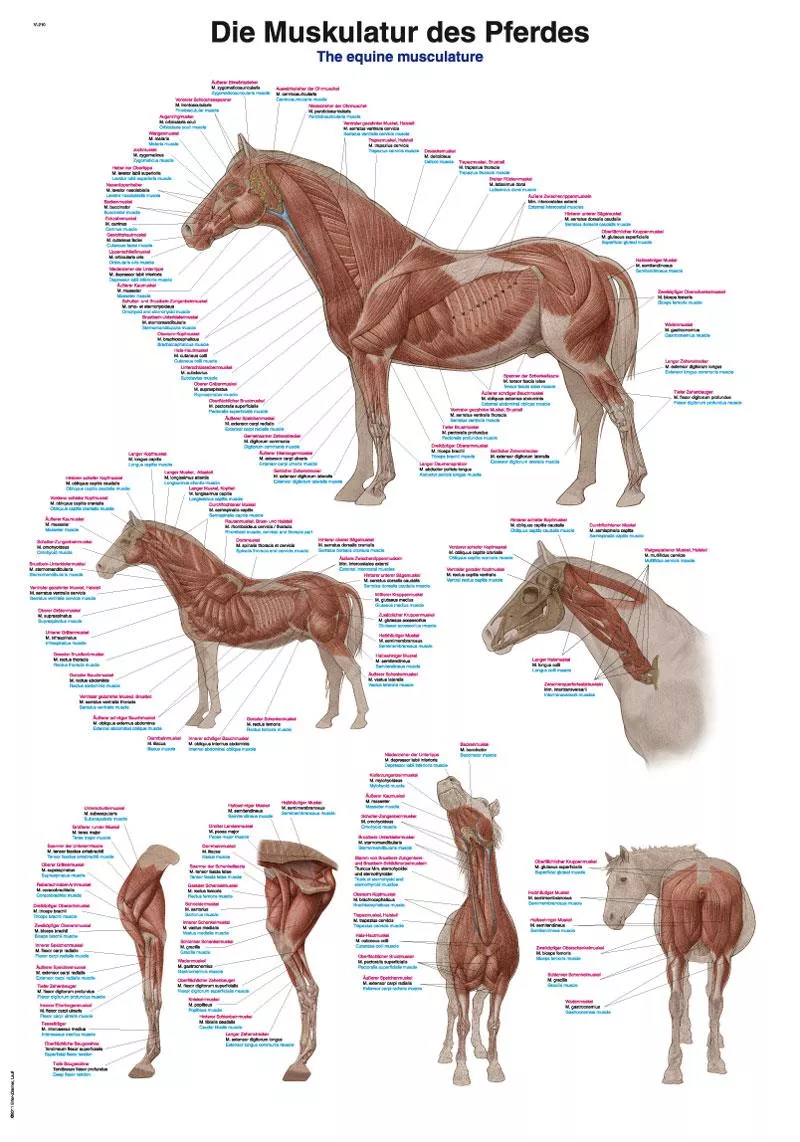
Chart “The equine musculature”
Size: 50 cm x 70 cm
High Quality anatomical chart, made of 200g/sqm art paper, size 50x70cm, incl. attachable plastic rods with hanger. Nomenclature in German, English and Latin.

€17.85*
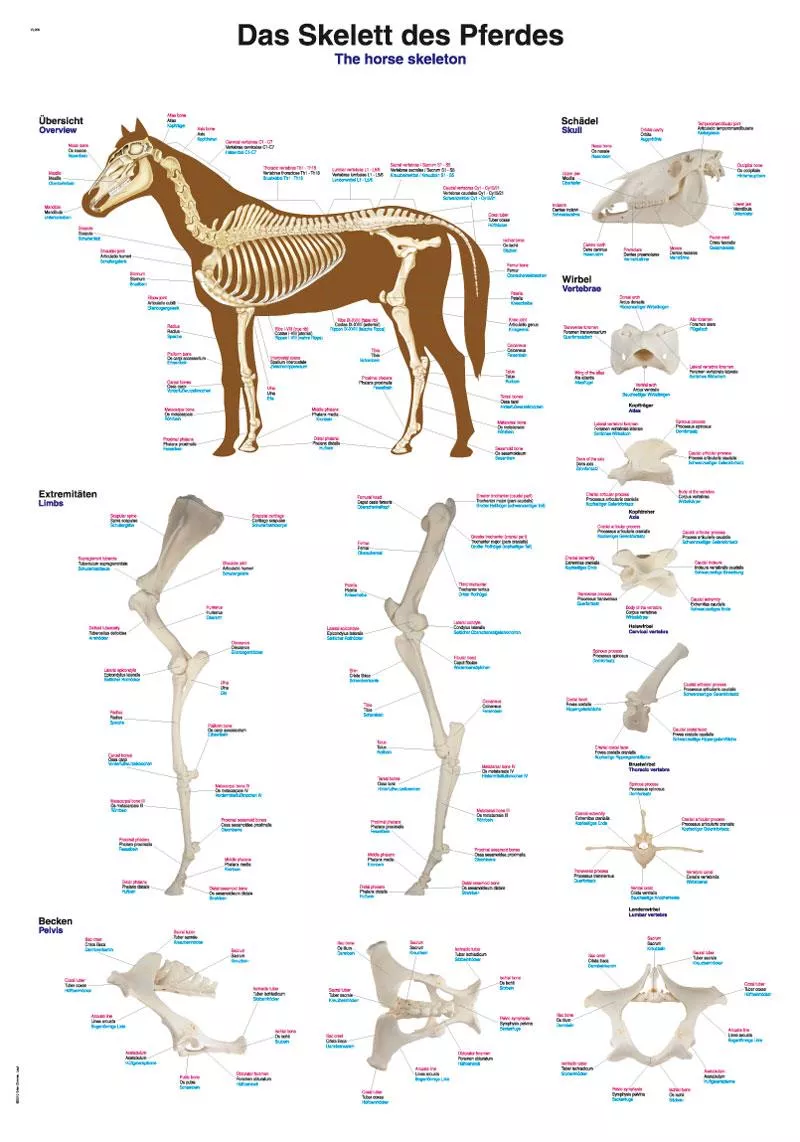
Chart “The equine skeleton”
Size: 50 cm x 70 cm
High Quality anatomical chart, made of 200g/sqm art paper, size 50x70cm, incl. attachable plastic rods with hanger. Nomenclature in German, English and Latin.

€17.85*
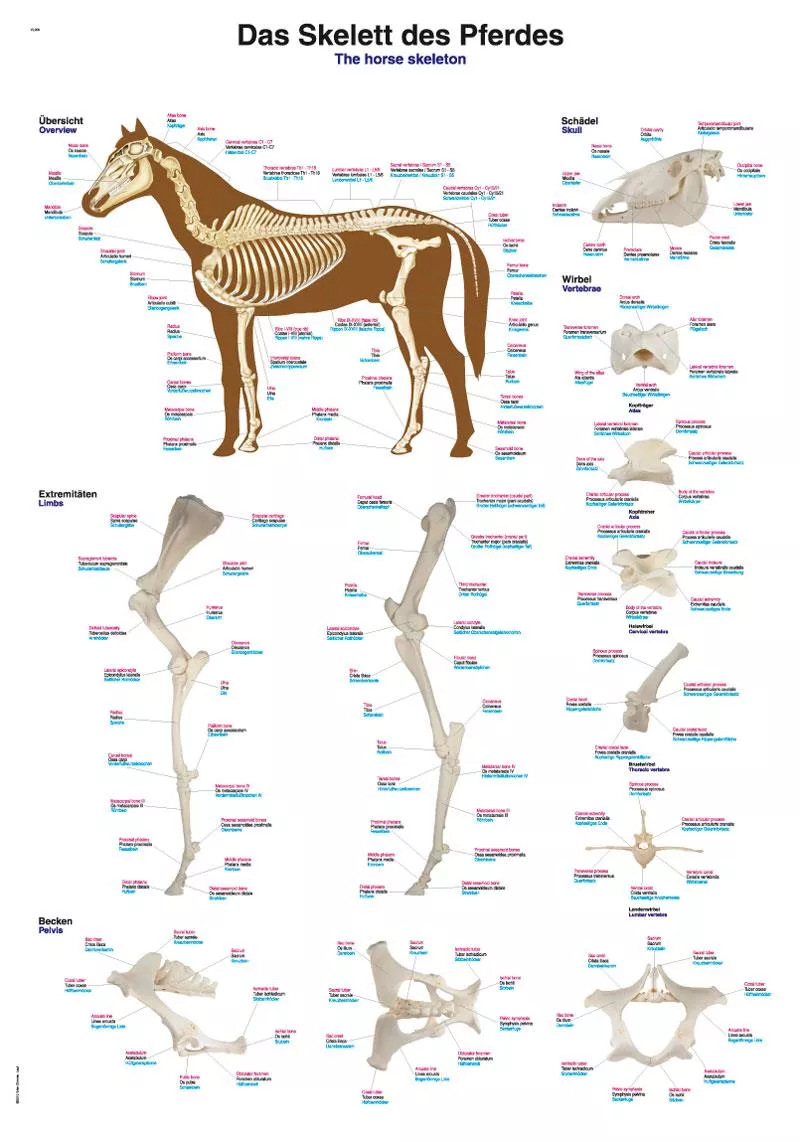
Chart The equine skeleton, 70x100cm
Size: 70 cm x 100 cm
High Quality anatomical chart, made of 200µ plastic foil, size appr. 70x100cm, incl. metal edging with hanger cord. Nomenclature in German, Latin and English.

Variants from €17.85*
€24.99*
Chart The equine musculature, 70x100cm
Size: 70 cm x 100 cm
High Quality anatomical chart, made of 200µ plastic foil, size appr. 70x100cm, incl. metal edging with hanger cord. Nomenclature in German, Latin and English.

Variants from €17.85*
€24.99*

Continuous innovation

Social responsibility

Active customer orientation

Understanding quality

Sustainable actions

ISO 9001 certification

Your last viewed products