













Digestive Pathology
16
Products

Pedunculated Adenoma of the Colon
Clinical HistoryA 50-year-old male underwent colonoscopy after a positive faecal occult blood screening. The examination revealed a pedunculated tumour in the descending colon, which was later resected.PathologyThe resected specimen from the descending colon shows a single dark, lobulated mass arising from the mucosal surface, attached to a 4 cm stalk. Histological analysis confirmed it as a tubular colonic adenoma, composed of connective tissue covered with hyperplastic colonic-type epithelium and areas of nuclear atypia.Further InformationColorectal adenomas are intraepithelial neoplasms that exhibit dysplasia and are considered precursors to adenocarcinoma, though not all progress to malignancy. These adenomas typically present as polyps—either pedunculated or sessile—and are more prevalent in men and in Western populations due to dietary and lifestyle factors.They are found in around 30% of individuals over 60 in the West, with increased risk linked to family history of colorectal cancer. Surveillance colonoscopy with polyp removal can significantly reduce cancer incidence.Colonic adenomas are classified into tubular (>75% tubular), tubulovillous (25–75% villous), and villous (>75% villous) types. Tubular adenomas are usually small, pedunculated, and composed of rounded or tubular glands.Adenomas less than 1 cm rarely progress, whereas those >4 cm have a progression rate of up to 40%. Most remain asymptomatic but may cause anaemia due to occult bleeding. In some cases, especially with villous types, excessive secretion of mucous and potassium-rich fluid can lead to hypokalemia.

Mesenteric Metastases from Cutaneous Malignant Melanoma
Clinical HistoryA 44-year-old man had a slow-growing skin lesion on his back. Years later, he presented at A&E with bone pain, hepatomegaly, and pleural effusion. He died shortly after admission.PathologyA loop of small intestine with attached mesentery reveals numerous dark brown nodules, ranging from pinhead size to 1 cm. Histology confirmed metastatic melanoma.Further InformationCutaneous melanoma arises from melanocytes, the pigment-producing cells in the skin. In men, it commonly appears on the back; in women, on the legs. Roughly 25% of melanomas develop from pre-existing moles. Warning signs include size increase, irregular borders, colour changes, itchiness, or ulceration.Key risk factors include UV radiation exposure, fair skin, multiple moles, childhood sunburn, and immunosuppression. Although melanoma represents just 5% of skin cancer cases, it has the highest mortality rate.Genetic mutations often involved include CDKN2A, BRAF, PI3K, and TERT. Recognition of melanoma by the immune system has led to progress in immunotherapy.Melanoma commonly metastasizes to lungs, liver, brain, bones, and lymph nodes. In the GI tract, it may cause bleeding, pain, obstruction or intussusception, particularly in the jejunum and ileum. Surgery is often used for symptom management in such cases.Diagnosis is based on excisional biopsy. Further evaluation may include blood tests (e.g. alkaline phosphatase, calcium, LDH) and imaging (X-ray, CT, MRI, PET). Treatment options include surgery, chemotherapy, radiotherapy, targeted therapy (like BRAF inhibitors), and immunotherapy, often in combination.

Cholecystitis and Cholelithiasis
Clinical HistoryA 60-year-old man had experienced four episodes of severe gripping abdominal pain over the past year, each lasting around two hours and occurring after meals. He presented again with similar pain, now accompanied by vomiting and fever. This episode did not resolve spontaneously and led to a cholecystectomy.PathologyThe gallbladder shows a thickened wall and haemorrhagic mucosa, with numerous irregular faceted gallstones inside. A large stone is impacted in the neck of the gallbladder. The outer surface is congested and dull. This is a classic example of cholecystitis caused by cholelithiasis.Further InformationGallstones are the leading cause of acute cholecystitis, responsible for about 90–95% of cases. Repeated episodes can result in chronic cholecystitis with fibrotic thickening of the gallbladder wall. About 6–11% of patients with symptomatic stones develop acute inflammation.Lab findings often show leucocytosis, sometimes with cholestatic liver function changes. Imaging, particularly ultrasound, is key in diagnosis, typically showing stones, wall thickening, and a positive sonographic Murphy’s sign. Additional imaging may include MRCP, CT, or cholescintigraphy. ERCP can both diagnose and treat biliary obstruction.If infection is present, common pathogens include E. coli, Enterococcus, Klebsiella, and Enterobacter. Complications may include gangrenous cholecystitis, perforation, cholecystoenteric fistula or gallstone ileus. The definitive treatment is surgical cholecystectomy.
Gall Stone Ileus
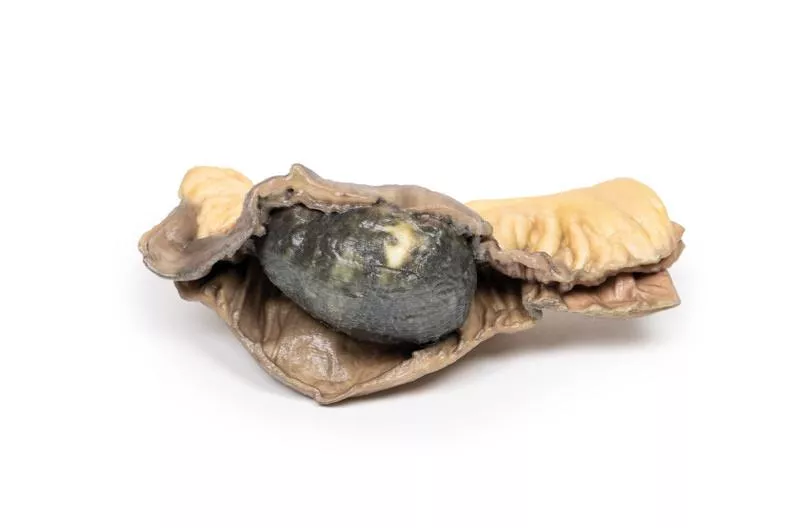
Clinical HistoryA 54-year-old man was admitted after 12?hours of severe colicky pain, nausea, and vomiting. He also had a 3-year history of intermittent right upper abdominal pain untreated until now. Acute bowel obstruction was diagnosed, and a laparotomy performed.PathologyAn opened segment of small intestine revealed a large, pigmented, rough-surfaced gallstone obstructing the lumen: a classic case of gallstone ileus.Further InformationGallstone ileus is a rare cause (~0.5?%) of bowel obstruction, more often in elderly or female patients. It usually results from a biliary–enteric fistula (sometimes post-sphincterotomy). Stones are typically =2?cm and lodge in the ileum (70?%), or other narrowed sites. Symptoms may be intermittent. Diagnosis is confirmed radiologically (often CT) or during surgery — following Rigler’s triad: small-bowel obstruction, ectopic gallstone, and pneumobilia. Treatment is surgical: remove the stone, close the fistula, and perform cholecystectomy; staged procedures may be required.

Multiple Polyposis Coli
Clinical HistoryNo clinical details are available for this case.PathologyThe specimens include two segments of sigmoid colon showing numerous sessile and pedunculated polyps up to 1.5 cm, some partially pigmented. There is no visible sign of malignancy.Further InformationMicroscopically, most polyps are tubular adenomas (over 75%), with fewer villous or tubulovillous adenomas. They may show varying degrees of dysplasia, but their histology is similar to sporadic colonic adenomas.Patients with familial adenomatous polyposis (FAP), a hereditary colon cancer syndrome linked to mutations in the APC gene on chromosome 5q21, often undergo prophylactic colectomy. Without treatment, invasive adenocarcinoma almost inevitably develops in one or more polyps, typically about 15 years after adenoma onset. FAP is inherited as an autosomal dominant trait.

Villous adenoma of colon
Clinical HistoryA 70-year-old man was admitted for muscular weakness and passing large amounts of mucus per rectum. He was found to be hypokalaemic. During investigations, a tumour in the sigmoid colon was discovered and later surgically removed.PathologyA 15 cm segment of colon was opened to reveal a large sessile tumour with a velvety surface, measuring 11 x 7 cm, located close to the distal resection margin. The mucosa elsewhere appeared normal, and the serosal surface was unremarkable. Histology confirmed a villous adenoma.Further InformationVillous adenomas can secrete large amounts of mucus and potassium-rich fluid, sometimes causing hypoalbuminaemia or hypokalaemia. They are the least common but most serious type of adenomatous polyps, with invasive carcinoma present in up to 30% of cases at resection.
Fatty Liver
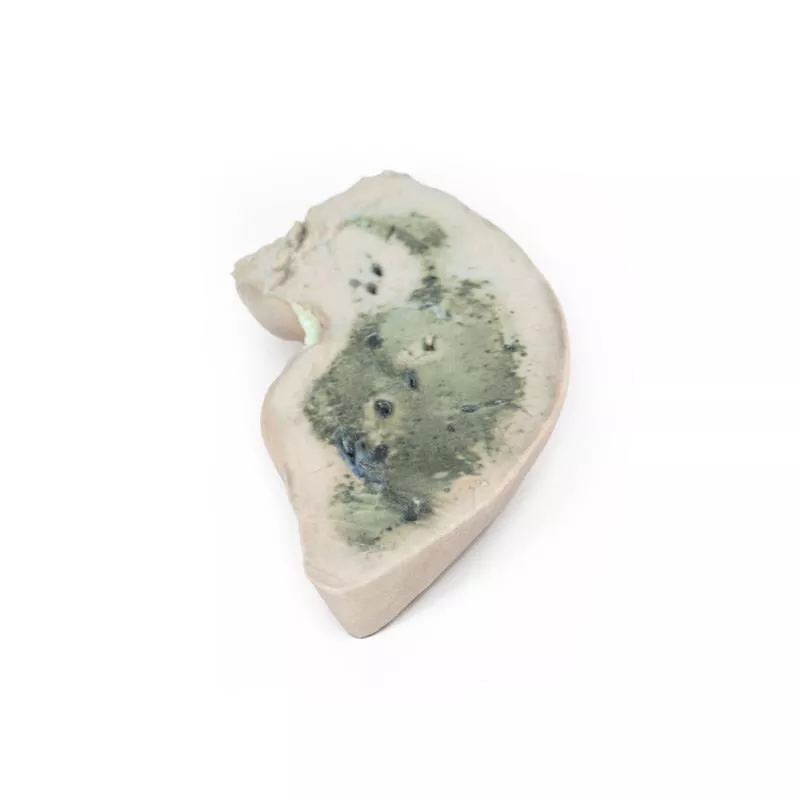
Clinical HistoryNo clinical details are available.PathologyA liver slice shows a characteristic yellow/grey, greasy appearance on one side. The opposite side has this change limited to the outer margin, while the central area appears darker, likely due to cirrhosis. This is an example of fatty change in the liver.Further InformationFatty change (steatosis) involves triglyceride accumulation in the liver and can be caused by obesity, diabetes, alcohol abuse, starvation, Kwashiorkor, drugs, and toxins. Alcoholism is the most common cause in many populations.

Liver cirrhosis
Clinical HistoryA 63-year-old man was admitted multiple times for bleeding from oesophageal varices. On admission, he was mildly febrile, jaundiced, and showed a severe flapping tremor of his hands. Other findings included ascites, prominent periumbilical veins, and haemorrhoids. He suffered a massive haematemesis and died shortly after.PathologyA liver slice revealed multiple well-demarcated nodules ranging from 1 to 7 mm in diameter. The liver surface was nodular and irregular. This represents cirrhosis of the liver with mixed micro- and macronodular patterns and significant fatty change.Further InformationThe most common cause of cirrhosis and fatty liver change is chronic alcoholism.
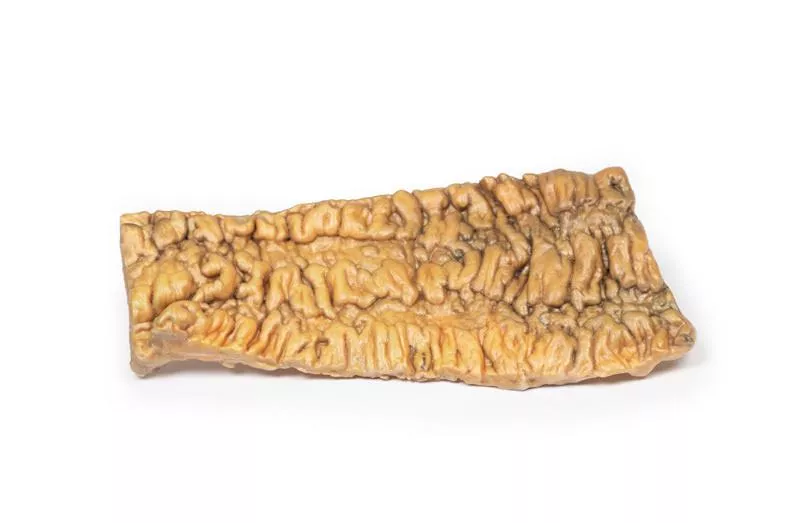
Ulcerative Colitis
Clinical HistoryA 36-year-old woman was admitted with a 3-week history of bloody diarrhoea and lower abdominal pain. She reported four similar episodes over seven years. Sigmoidoscopy revealed erythematous, ulcerated, and oedematous rectal mucosa. Steroid treatment was started but symptoms persisted, leading to a total colectomy.PathologyThe resected colon showed extensive confluent ulceration with oedematous mucosal islands. Ulcers had necrotic bases and overhanging edges forming pseudo-polyps. Histology revealed acute inflammation, crypt abscesses, necrosis, and ulceration, confirming acute ulcerative colitis (UC).Further InformationUlcerative colitis is a chronic ulcerative inflammatory disease mainly affecting the rectum and extending proximally in a continuous manner. Inflammation is usually limited to the mucosa and superficial submucosa. The cause is unknown. It commonly starts between ages 15–25 and is slightly more common in females. Symptoms include bloody or mucous diarrhoea, urgency, abdominal pain, weight loss, anemia, and fatigue. Complications include toxic megacolon, perforation, and colon cancer. Extraintestinal symptoms may affect eyes, joints, skin, and liver. Treatment includes steroids, disease-modifying drugs, and TNF inhibitors. Colectomy cures intestinal symptoms, but extraintestinal manifestations may continue.
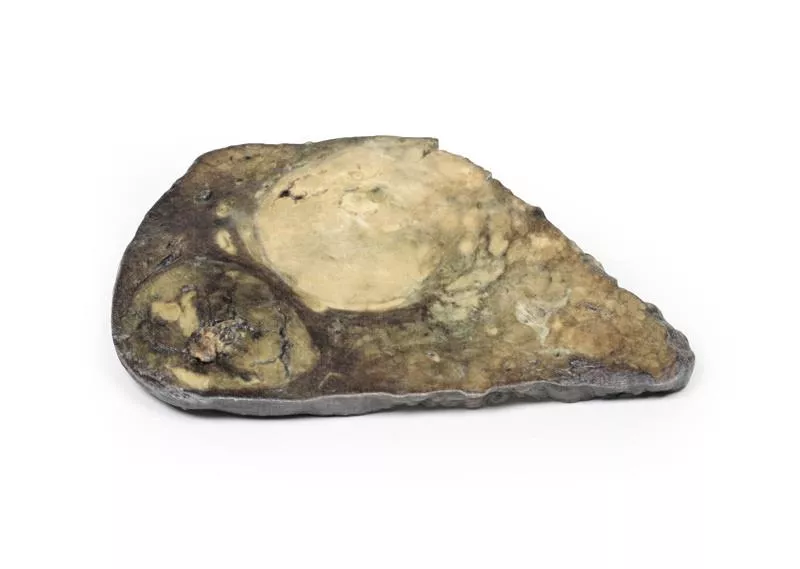
Hepatocellular Carcinoma
Clinical HistoryA 60-year-old male was admitted with jaundice, melena, and abdominal distension. He had a known history of untreated Hepatitis C due to previous intravenous drug use. On further questioning, he reported a 9-month history of fatigue, weight loss, nausea, and intermittent dull pain in the right upper abdomen. Liver ultrasound revealed two large lesions. The patient died shortly after admission due to suspected oesophageal variceal haemorrhage.PathologyThe liver specimen from the postmortem shows a macronodular cirrhosis with multiple nodules up to 2?cm in size, separated by narrow fibrous bands. Additionally, two large round tumours measuring 8?cm and 6?cm are present. Their cut surface shows areas of necrosis, haemorrhage, and bile staining. This is an example of hepatocellular carcinoma (HCC) arising in a cirrhotic liver.Further InformationHepatocellular carcinoma is the most common primary malignant liver tumour and originates from hepatocytes. Risk factors include Hepatitis B and C, liver cirrhosis, aflatoxin exposure, non-alcoholic fatty liver disease, haemochromatosis, and Wilson’s disease. The tumour often develops in the setting of genetic alterations, such as gain-of-function mutations in beta-catenin and loss-of-function mutations in p53. Clinical presentation may include abdominal pain, fatigue, weight loss, fullness, and in some cases jaundice or bleeding. HCC can metastasize via the bloodstream, especially to lungs, abdominal lymph nodes, and bones. Death typically occurs due to cachexia, haemorrhage, or liver failure. Treatment options depend on tumour stage and patient condition and may include surgical resection, tumour ablation, chemotherapy, or liver transplantation.
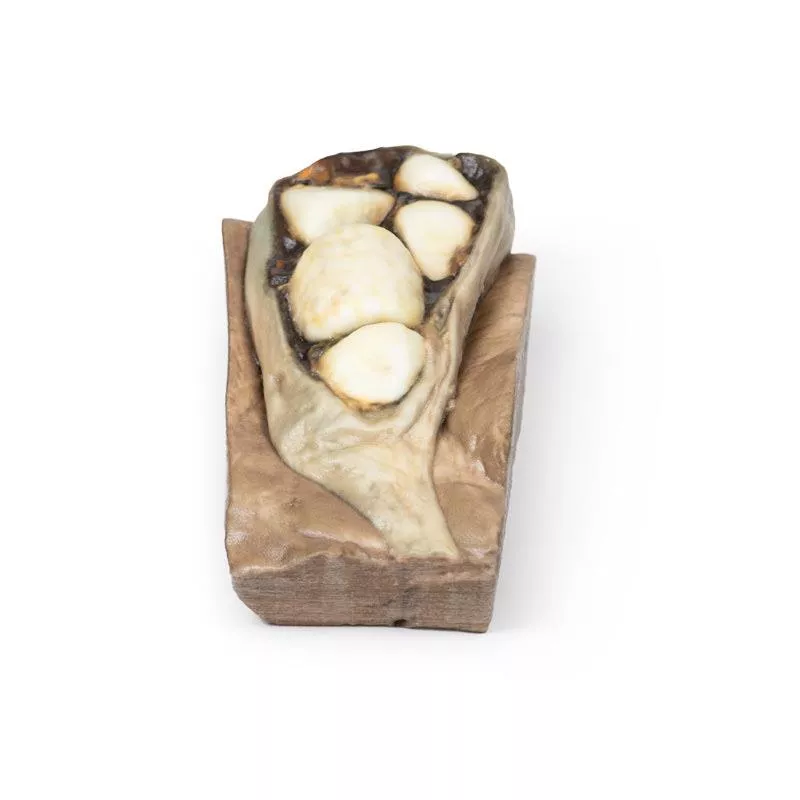
Cholelithiasis (Gallstones)
Clinical HistoryA middle-aged woman experienced recurrent epigastric pain. Endoscopy revealed no ulcers, but a cholangiogram showed a non-functioning gallbladder. She later died from a myocardial infarction.PathologyThe specimen shows a liver section with an opened gallbladder containing six large faceted mixed gallstones – a classic case of cholelithiasis.Further InformationGallstones consist of cholesterol, calcium salts, bilirubin and mucin. Risk factors include age over 50, female sex, pregnancy, diabetes, rapid weight loss, and certain medications. Symptoms range from no complaints to biliary colic, cholecystitis, or pancreatitis. Typical signs are upper abdominal pain, nausea, and vomiting. Diagnosis is mainly done with ultrasound, and in some cases HIDA scan. Treatment begins with analgesia; often followed by laparoscopic cholecystectomy. Though rare, severe complications can be fatal. Importantly, epigastric pain can mimic heart attack symptoms, particularly in women, so cardiac causes must be ruled out with an ECG.

Chronic Gastric Ulcer
Clinical HistoryAn elderly patient with long-standing indigestion collapsed and died from a massive stroke.PathologyA 2?cm coronal section includes parts of the stomach, diaphragm, liver, and pancreas. A large gastric ulcer (5–6?cm) is located at the lesser curvature near the gastro-oesophageal junction. It has a smooth base and slightly raised edges, with fibrosis pulling mucosal folds inward — a sign of benign ulceration.Further InformationGastric ulcers often cause post-meal pain, nausea, and weight loss. Common causes include Helicobacter pylori and NSAIDs. Diagnosis is via endoscopy or H. pylori testing. Treatment involves acid-suppressing drugs (e.g., PPIs), antibiotics for H. pylori, and stopping NSAIDs and smoking. Ulcers affect about 4% of the population.
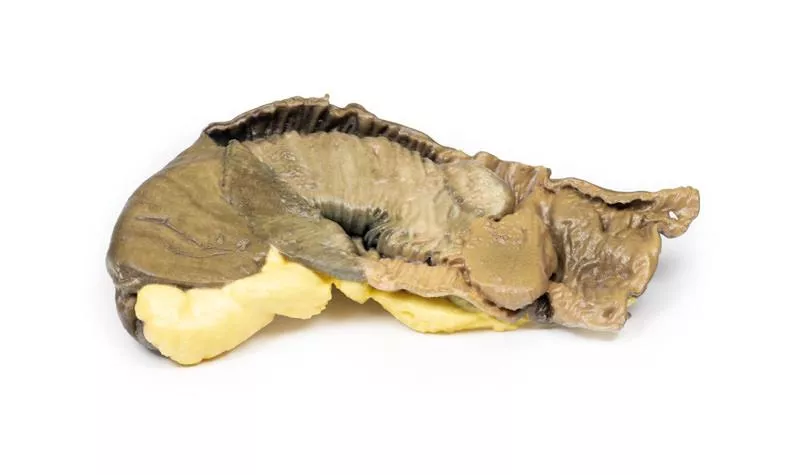
Intussusception of small bowel due to metastatic tumour
Clinical HistoryA 66-year-old woman presented with sudden, severe, colicky central abdominal pain, which was somewhat relieved by drawing up her knees. She passed a stool described as containing mucus and blood ("like redcurrant jelly"). On examination, a mass in the left hypochondrium was noted, which hardened during spasms. A laparotomy was performed and the specimen resected.PathologyThe specimen is a 20?cm segment of small bowel with mesentery. A 3?cm polypoid tumour near the proximal margin has invaginated into the bowel lumen, forming a 13?cm long intussusception. The tumour lies at the apex of the invagination. The congested and exudative mucosa suggests early ischaemic necrosis. Although histology is not recorded, the macroscopic features are consistent with a metastatic malignant tumour.Further InformationIntussusception is most common in children, often due to enlarged Peyer’s patches in the distal ileum. In adults, it is rare (1–5?% of bowel obstructions) and typically caused by a polypoid tumour acting as a lead point, dragged forward by peristalsis. Symptoms include intermittent obstruction or severe pain. Abdominal CT often shows the characteristic “target sign”.
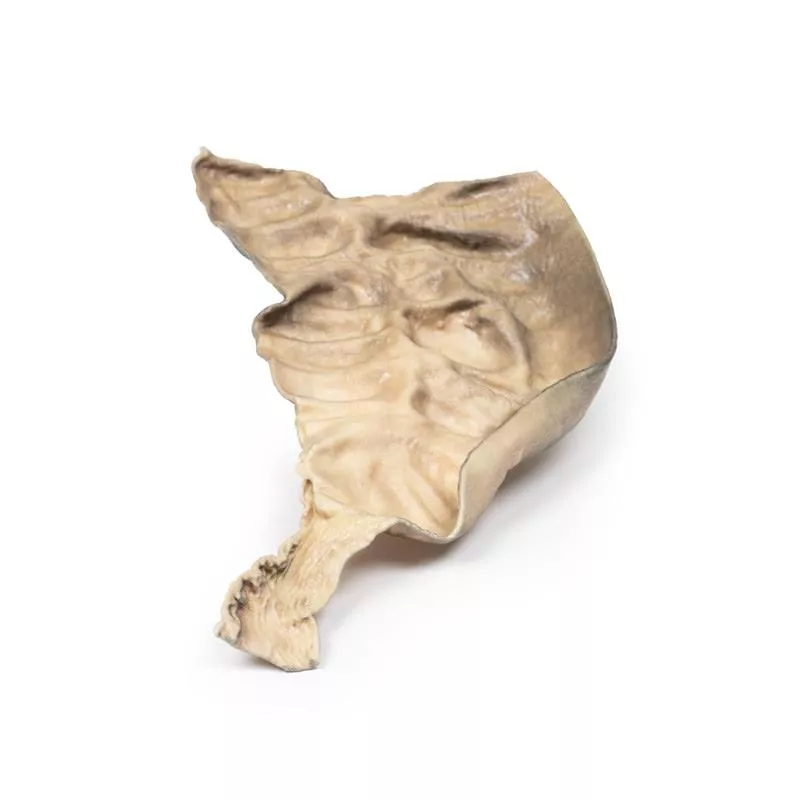
Hirschsprung's Disease
Clinical HistoryA 5-year-old boy had a history of constipation since birth. A barium enema revealed a narrow rectum and a dilated sigmoid colon. Surgical resection of the affected bowel segment was attempted, but the patient died during the procedure.PathologyThe specimen shows a massively dilated sigmoid colon with loss of normal mucosal pattern. The adjacent rectum appears normal in size and structure but lacks ganglion cells in the myenteric plexus. This is consistent with Hirschsprung’s disease (congenital aganglionic megacolon).Further InformationHirschsprung’s disease results from the absence of parasympathetic ganglia in a segment of the bowel, most commonly the rectum. This leads to impaired peristalsis and functional obstruction. It is caused by a failure of neural crest cells to migrate during embryogenesis. The proximal colon becomes hypertrophied and dilated, increasing the risk of complications like enterocolitis and perforation.The disease occurs in approximately 1 in 5000 live births, more often in males and those with genetic syndromes such as Down syndrome. Mutations in the RET gene are implicated in many familial and some sporadic cases.Symptoms range from failure to pass meconium in newborns to chronic constipation and abdominal distension in older children. The standard treatment is surgical resection of the aganglionic bowel and connection of the healthy bowel to the rectum.

Adenocarcinoma of the stomach
Clinical HistoryAn 82-year-old woman presented with melena, along with a six-month history of dyspepsia, nausea, weight loss, and early satiety. Shortly after admission, she suffered a massive melena episode and passed away.PathologyThe post-mortem specimen includes the esophagus, stomach, proximal duodenum, and pancreas. A 7×5?cm shallow gastric ulcer on the lesser curve features raised, rolled edges and necrotic debris. Dissection reveals pale tumor tissue elevating the edge. Two eroded arteries and recent hemorrhage are present, and the pancreas adheres to the ulcer’s serosal surface. Histology confirms a well-differentiated gastric adenocarcinoma invading directly into the pancreas.Further InformationGastric adenocarcinoma is the most common stomach malignancy, with incidence varying by region. Risk factors include smoking, high salt intake, H. pylori infection, GERD, atrophic gastritis, and intestinal metaplasia. There are two main types: - Intestinal type: Gland-like, bulky, ulcerated or exophytic, common in endemic regions, often seen in men around 55 years old, may arise from dysplasia or adenomas. - Diffuse type: Composed of signet-ring cells with mucin-vacuoles, infiltrative growth, rigid “leather bottle” stomach due to desmoplasia, equal across sexes and regions. Associated with CDH1 mutations, and higher risk in FAP patients with APC mutations.Early symptoms include dyspepsia, dysphagia, and nausea. Advanced disease often presents with weight loss, early satiety, fatigue, anemia, or hemorrhage. Treatment depends on stage—surgical resection for early tumors, chemotherapy for advanced cases.

Hepatic duct calculi and Obstructive Biliary Cirrhosis
Clinical HistoryAn 85-year-old man presented with urinary retention due to benign prostatic hypertrophy. On admission, he was noted to be jaundiced with a cholestatic pattern in his liver function tests. He underwent a transurethral resection of the prostate but died five days later from pneumonia.PathologyA liver slice shows a slightly thickened capsule and a finely nodular surface. The intrahepatic bile ducts are dilated. On the posterior surface, a pigmented calculus (10 mm) is impacted in a distended hepatic duct, and a smaller one (3 mm) is dislodged. This represents secondary biliary cirrhosis due to obstruction of large bile ducts by hepatic stones.Further InformationHepatolithiasis involves the formation of intrahepatic gallstones, most commonly pigmented calcium bilirubinate stones. These obstruct bile flow, leading to bile duct dilation, portal inflammation, and progressive fibrosis. Histology would show feathery degeneration of periportal hepatocytes, cytoplasmic swelling, Mallory-Denk bodies, and bile infarcts. Chronic inflammation can result in biliary dysplasia and may progress to cholangiocarcinoma. Clinically, patients may experience recurrent cholangitis, intermittent pain, jaundice, or be asymptomatic. Treatment typically involves surgical removal of the calculi.
Human body replicas to improve teaching!
Erler-Zimmer's groundbreaking Anatomy Series features a unique and unrivalled collection of colourised human body replicas specifically designed to enhance teaching and learning. This premium collection of highly accurate human anatomy has been created directly from radiological data or real specimens using the latest imaging techniques. The 3D Human Anatomy Series offers a cost-effective way to meet your specific teaching and demonstration needs across the curriculum in medicine, health sciences and biology. A detailed description of the anatomy represented in each 3D printed specimen is included. What are the advantages of the Monash 3D Anatomy Series compared to plastic models or real human plastinates?
Each body replica has been carefully developed from selected radiological patient data or dissected human bodies of the highest quality, chosen by a highly skilled team of anatomists at Monash University's Human Anatomy Teaching Centre, to represent clinically important areas of anatomy in a quality and detail not possible with conventional models - it is real anatomy, not stylised. Each body replica has been rigorously checked by the highly qualified team of anatomists at Monash University's Human Anatomy Teaching Centre to ensure the anatomical accuracy of the final product. The body replicas are not real human tissue and are therefore not subject to any restrictions on transport, import or use in educational institutions that do not have permission to use cadavers. The
exclusive 3D Anatomy Series avoids these and other ethical issues that arise when dealing with plastinated human remains.